Polycarbonate vs. Trivex eyeglass lenses
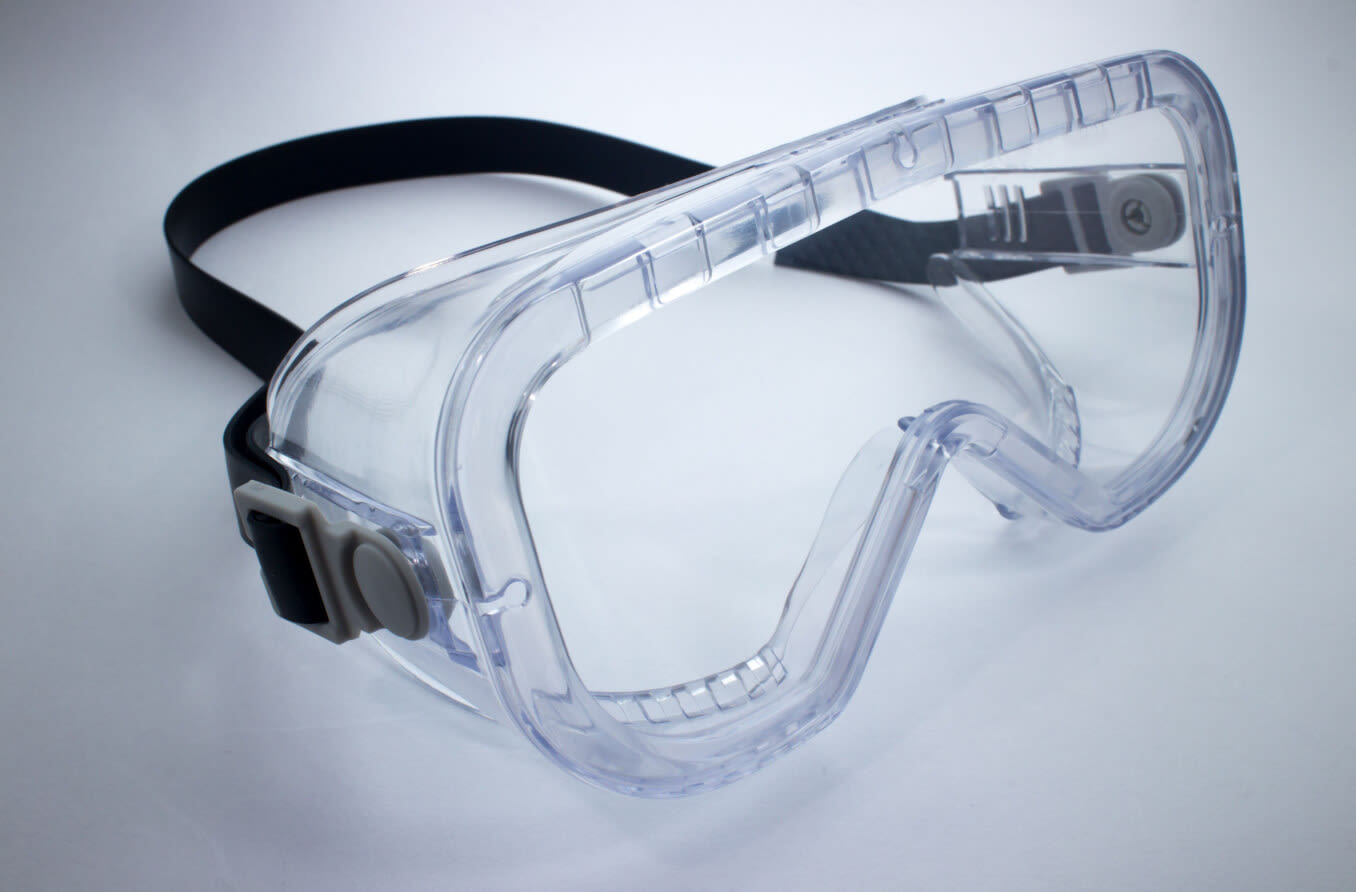
When eye safety is a concern, polycarbonate or Trivex lenses usually are the best choice for your eyeglasses, sunglasses and sports eyewear. These lenses are significantly more impact-resistant than other lenses and:
Are noticeably lighter and thinner than regular plastic lenses
Block 100% of the sun's harmful ultraviolet (UV) rays
This combination of impact resistaance, lightweight comfort, and UV protection also makes polycarbonate and Trivex lenses excellent choices for children's glasses and safety glasses.
Polycarbonate lenses
Polycarbonate was developed in the 1970s for aerospace applications. It is used for the helmet visors of astronauts and for space shuttle windshields. Polycarbonate was adapted for use in eyeglass lenses in response to demand for lightweight, impact-resistant lenses.
Polycarbonate lenses have become the standard for safety glasses, sports goggles and children's eyewear. Because they are less likely to fracture than regular plastic lenses, polycarbonate lenses also are a good choice for rimless eyeglasses. (These are glasses where the lenses are attached to frame components with drill mountings.)
Polycarbonate is a thermoplastic that starts as a solid material in the form of small pellets. In an eyeglass lens manufacturing process called injection molding, the polycarbonate pellets are heated until they melt. The liquid polycarbonate is then rapidly injected into lens molds, compressed under high pressure, and cooled to form a finished lens product in a matter of minutes.
Trivex lenses
Trivex is another lightweight, impact-resistant material for eyeglass lenses. Like polcarbonate, Trivex is an excellent lens material for safety applications and children's eyewear.
Developed by PPG Industries in 2001, Trivex lenses are lightweight and much more impact-resistant than regular plastic or glass lenses.
Trivex lenses are made of a urethane-based monomer. They are produced using a slower, cast molding process similar to how regular plastic lenses are made. The liquid lens material is slowly baked untill it sets. This gives Trivex lenses the advantage of sharper optics than injection-molded polycarbonate lenses, according to PPG.
Polycarbonate vs. Trivex lenses compared
Here is a brief comparison of polycarbonate and Trivex lenses to help you decide which lenses might be best for you:
Thickness. Polycarbonate lenses are about 10% thinner than Trivex lenses.
Weight. Trivex lenses about 10 percent lighter than polycarbonate lenses.
Optics - central. Trivex lenses have less internal stress and may produce sharper central vision than polycarbonate lenses.
Optics - peripheral. Trivex lenses have a higher Abbe value and may produce sharper peripheral vision with less chromatic aberration than polycarbonate lenses.
Impact resistance. Polycarbonate and Trivex lenses have comparable impact resistance.
UV protection. Polycarbonate and Trivex lenses both block 100 percent of the sun's UV rays without the need for special UV-blocking lens coatings.
Availability. Polycarbonate lenses are available in a wider variety of lens designs (e.g., progressive lenses and other multifocals) than Trivex lenses. Photochromic lenses are available in both materials.
Cost. The cost of polycarbonate and Trivex lenses can vary considerably, but many optical stores charge more for Trivex lenses than polycarbonate lenses.
Your professional optician can discuss the pros and cons of polycarbonate and Trivex lenses so you can decide which lens material is the best choice for your needs and budget.
Scratch Protection
Polycarbonate and Trivex lenses are much more impact-resistant than regular glass and plastic lenses (including other high-index lenses) because these lightweight lens materials are relatively "soft" — which means they can absorb energy without lens fracturing.
This flexibility also means polycarbonate and Trivex lenses need a scratch-resistant coating to prevent surface scratches. Today's modern scratch-resistant coatings can make the surface of polycarbonate and Trivex lenses nearly as hard as glass.
Most eye care professionals offer a lens warranty to protect your lenses against scratches for a specified period of normal use. Ask your optician for details.
Proper Frames For Polycarbonate And Trivex Lenses
When it comes to eye safety, polycarbonate and Trivex eyeglass lenses are only part of the solution.
For the best eye protection at work and during sports, be sure you also invest in high-quality safety frames or frames designed specifically for sport eyeglasses.
SEE ALSO: How To Clean Glasses — Without Scratching Your Lenses! >
Regular eyeglass frames are not rated for use as safety glasses and typically don't provide the type of eye protection needed for sports. Therefore, playing sports while wearing an eyeglass frame that is not rated for sports eyewear is dangerous and can result in a serious eye injury if the frame breaks, dislodging the lenses.
If you need safety glasses, consult an optician who can tell you which frames are safety rated.
For children's eyewear, choose a sturdy frame and lightweight polycarbonate or Trivex lenses. Even if he or she does not participate in organized sports, choosing impact-resistant eyeglass lenses and frames is an important step to protect your child's eyes throughout the day for a lifetime of good vision.
Original version of this article was by Liz DeFranco, ABOC, NCLC.
Page published on Wednesday, February 27, 2019