Picking out a new pair of glasses can be equally exciting and stressful. Between in-store and online options, the possibilities are endless and, potentially, overwhelming.
To help you narrow down the top contenders, below are some of the best places to buy glasses online and in a store in 2026. We’ve also included some pros, cons and price ranges to make your shopping easy.
So, go ahead and click around the different options. You’re bound to fall in love with a pair (or two — we don’t judge 😉).
Best place to buy glasses online
If you’re looking for ideal places to buy prescription glasses online, here are some options that will fit any budget:
Online Retailers
Online retailers have frames for top brands typically with discounts off the original price.
These websites can have a wide selection of prescription sunglasses and contact lenses, as well as children’s glasses. Due to the luxury brands being sold at some retailers, they may be more expensive. However, the discounted frame and lens price can provide value. If insurance isn’t accepted, you can use FSA or HSA dollars toward your purchase.
Some websites offers 2-day delivery on select frames, and often has promotions like “buy one, get one free” on eyeglasses.
In addition to getting a fancy pair of specs, you have the opportunity to give back with some retailers that conduct charitable initiatives. Through these programs a pair of glasses is donated for every pair that’s ordered. You can choose one of eight specific regions of the world to send your donation.
Pros
- Budget friendly value frames and lenses available
- Luxury brands at a discounted price
- FSA/HSA eligible
- 2-day shipping available
- Virtual try-on feature
Cons
- Doesn’t accept insurance
Best place to buy glasses in person
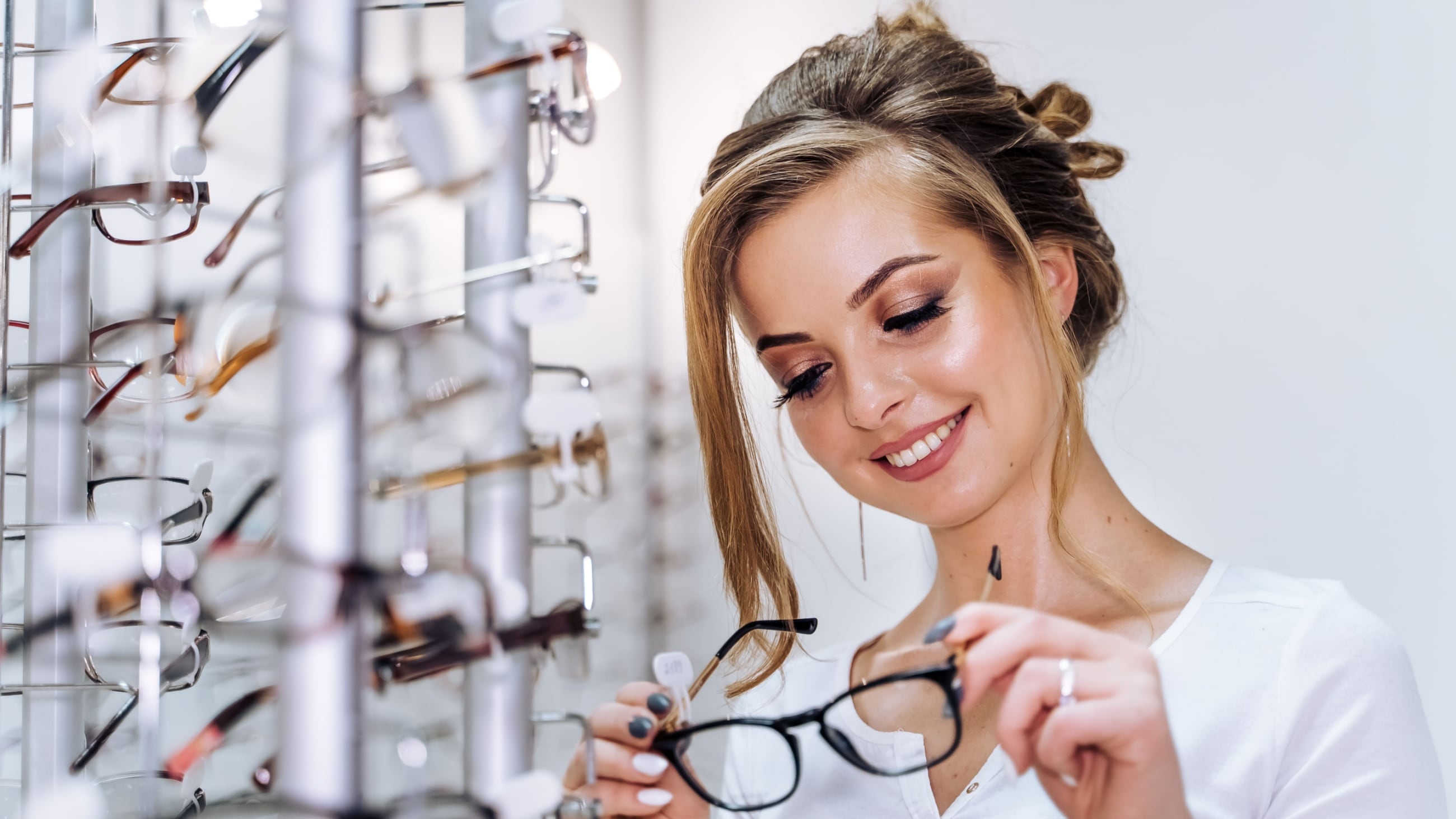
Perhaps you prefer the in-person customer service of a brick-and-mortar store. Here are some helpful tips when shopping in these locations:
While some brick-and-mortar retail stores and vision centers boast impresive websites, their in-person experience is worth mentioning. They can offer house and luxury brands. These stores may carry the latest advances in technology including artificial intelligence (AI), enhanced ability to capture photos and videos, listen to music, make hands-free calls and a heads up display to search in real-time.
Many stores give customers the option to bundle select frames and lenses for a price and may offer additional discounts on pairs of glasses.
The majority of these locations have an independent doctor of optometry (OD) attached to them, where comprehensive eye exams can be done and ensure your glasses have an updated prescription. They usually can accept insurance for purchases online and in their store.
Many of these brick-and-mortar stores and vision centers offer a locator tool to help you find your glasses. And if you need an eye exam, you have an opportunity to schedule an appointment online. Then when you arrive, you can browse frame styles and prices, and get in-person assistance.
Pros
- They accept insurance
- FSA/HSA eligible
- Eye exam practice on-site (usually a separate entrance)
- Offers the ability to purchase online and pick-up in the store or ship directly to your home
- In-person frame try-on
Cons
- May be more expensive than online retailers
SEE RELATED: The best glasses for your face shape and skin tone
Best place to buy kids glasses
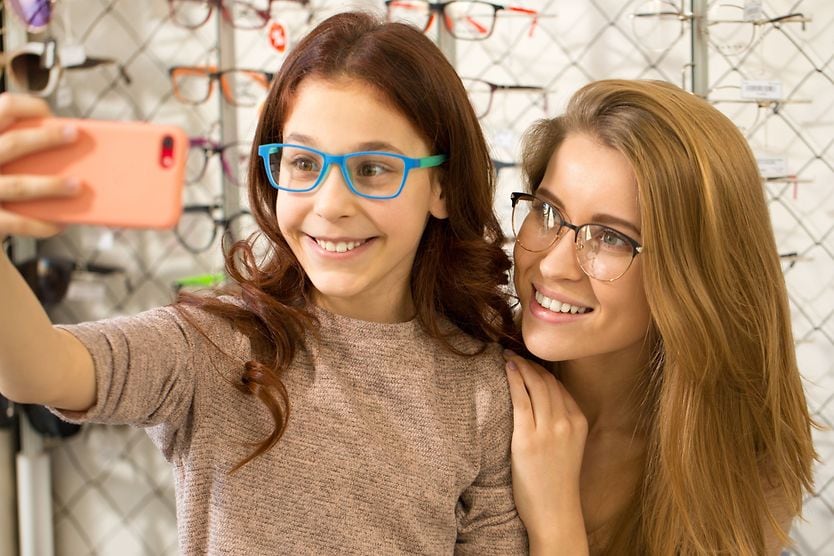
Finding glasses that your child will want to wear can feel like an impossible task. The retailers below have options that even the pickiest kids will love.
Online Retailers
Certain websites have many options for children — from eyeglasses with clip-on sunglass lenses to sports goggles for kids on the go. They also conveniently include the cost of basic lenses into the price shown on the website. If you want to upgrade the basic lenses to polycarbonate or photochromatic lenses, you can do so as an upgrade at a discount.
Another perk is that you could use your vision insurance and apply your FSA/HSA funds toward the remaining cost. They also may offer extra discounts for college students, teachers, nurses, first responders and military members.
Pros
- They accept vision insurance
- FSA/HSA eligible
- Pricing on website may include cost of lenses
- Extra discounts for those who may qualify
Cons
- Kids don’t get to try on the frames before ordering
Vision Centers
Vision centers at big box stores can be convenient places to buy glasses. And you can shop in-store or online. You can also order glasses online and pick them up in the store, for added convenience.
First-time customers may get discounts off their first purchase. They also might offer competitive price points on select kids frames with single vision kids lenses, which can make finding glasses for your child easy and affordable.
Insurance is typically accepted, as well as FSA/HSA funds to cover the cost of glasses and lenses.
Pros
- They accept insurance
- FSA/HSA eligible
- Many store locations
- Ability to order online, pick up in store
Cons
- $59 deal Discounts may only apply to select children’s frames
- More kids frame options are available in the store than online
SEE RELATED: How do I choose glasses for my child?
Best place to buy reading glasses
You can find a pair of reading glasses just about anywhere. Drug stores, grocery stores and bookstores alike usually have a small variety of readers for when you’re in a pinch.
However, there are some online retailers that specialize in and give you more options than what you may find at your local drug store.
Online Retailers
There are websites that might have just about every style of readers you can think of, in a wide variety of colors. You can filter your search based on your lens strength and preferences, to make sure you find what you’re looking for.
In addition to reading glasses, some online retailers also sell reading sunglasses, so you can comfortably and safely enjoy your reading materials in bright conditions.
They may offer free shipping on orders and no-hassle returns if you’re not happy with your order.
Pros
- Affordable
- Wide variety of colors and styles
- Happiness guaranteed policies
Cons
- They do not accept insurance or HSA/FSA as payment. However, reading glasses transactions are eligible for reimbursement.
Best place to buy glasses without insurance
Not everyone has vision insurance to cover the cost of eye exams and glasses. However, there are still plenty of options that can provide vision and eye care services for uninsured folks.
Vision Centers at Wholesale Clubs
Wholesale or warehouse clubs are known for providing quality products and services at competitive prices. Eye care and eyewear are no different.
These vision centers usually have a large selection of frames and lenses, ranging from designer to stock brand products. Each location may have its own inventory, which means frame style options are not always included on their websites.
Eye exams can be done by a third party eye doctor in an optometry practice attached to the location. You do not need a wholesale club membership to schedule and receive an eye exam. However, a membership is needed to purchase any eyeglass frames or lenses from the warehouse.
Insurance can be accepted for eye exams and eyeglasses, but not required.
Pros
- Affordable
- Does not require insurance
- Eye exam can be done at the same location
Cons
- Does not have their inventory shown on the website
- You must have a membership to use their optical services
Online Retailers
Their are websites offering frame and lens bundles for single vision and reading glasses. They have a selection of kids glasses, as well as prescription sunglasses and contact lenses.
Another benefit these websites might offer is the ability to re-lens your frames. So, if your prescription changes, but you don’t want to say goodbye to your tried-and-true frames, you can have them updated with your new prescription.
Select insurance providers are accepted, and FSA/HSA funds can be used to purchase glasses.
Pros
- Affordable
- Wide variety of colors and styles
- Customer-friendly return/exchange policy
- FSA/HSA eligible
Cons
- Bifocal and multifocal lenses are an additional cost.
SEE RELATED: Vision insurance: How it can save you money
Keep your glasses prescription updated
Once an eye doctor determines that you need vision correction, it’s important that you continue to have regular eye exams to monitor any changes. Vision prescriptions are usually good for up to two years from the date of your eye exam.
If your prescription changes, be sure to update your glasses and contact lenses to get the clearest vision possible.
READ MORE: 5 signs your glasses don’t fit