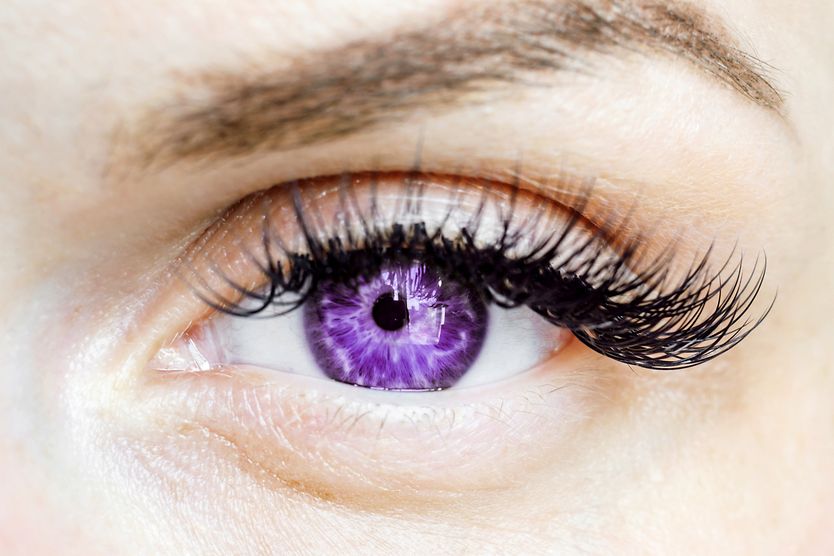
What causes different eye colors?
Eye colors depend on how much pigment resides in the iris — the eye structure that surrounds the pupil and often is called the colored part of the eye. There is only one pigment that determines eye color: It's called melanin.
The color of your eyes depends on how much melanin there is in your iris. If you have a lot of melanin, you'll have brown eyes (or some other dark eye color). If you have less melanin in the iris, you'll have a lighter eye color.
Are eye colors genetic?
Yes and no. A child's eye color definitely is influenced by the color of their parents' eyes. But the parents' genes can mix and match in many different ways.
At one time, brown eye color was considered "dominant" and blue eye color was considered a "recessive" trait. But modern science has shown that eye color is not that simple.
Eye color isn't just a blend of the parents' eye colors, as in mixing paint. Each parent has two pairs of genes on each chromosome, and multiple possibilities exist for how this genetic information is expressed in terms of eye color. The influences from each parent on eye color aren't fully known until after the child is born and begins to mature.
LEARN MORE about eye color genetics.
What is the most common eye color?
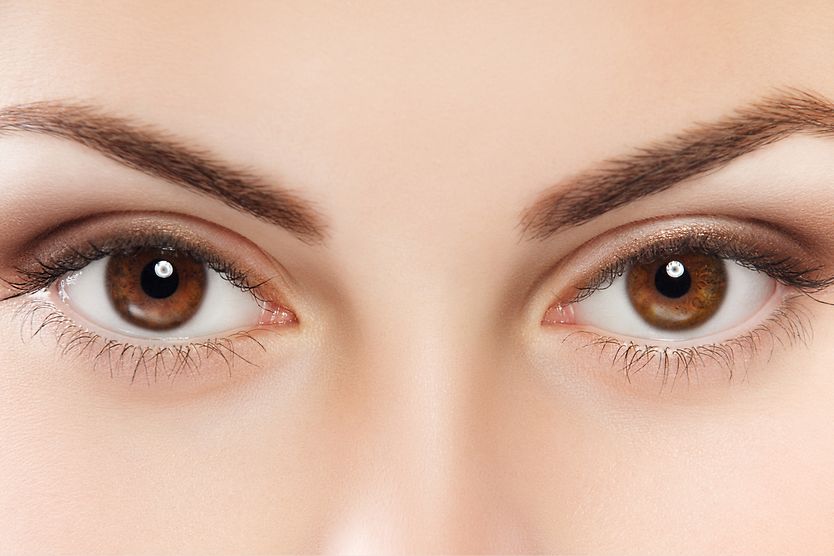
Brown is the most common eye color worldwide. There are many shades of brown eye color. Also, the prevalence of eye colors varies geographically. Most people in Africa and Asia have dark brown eyes. In the United States, about 40% of the American population has brown eyes (all shades included).

Eye colors come in many different shades, hues and variations.
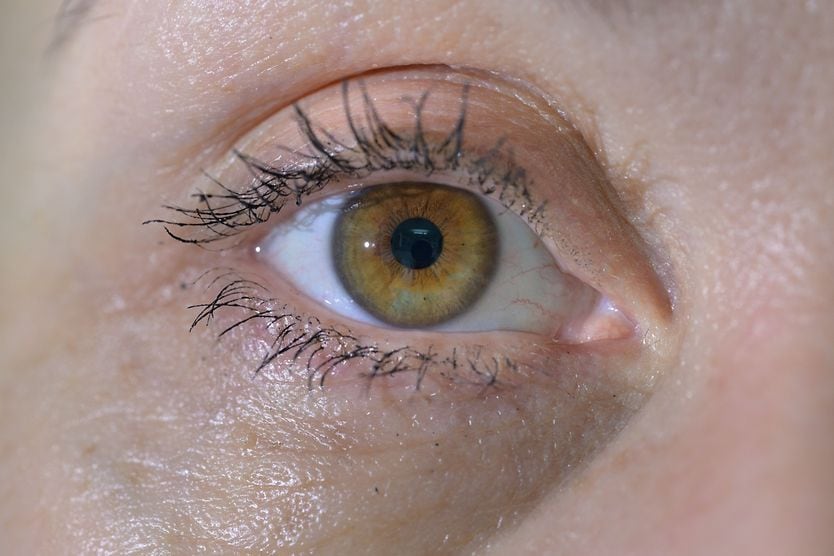
Eye colors that are considered brown eyes include:
- Dark brown eyes
- Medium brown eyes
- "Honey brown" eyes
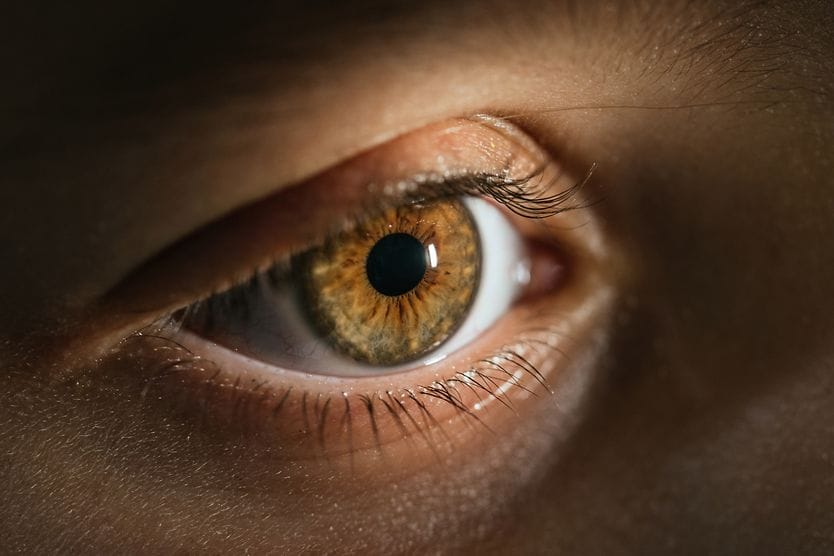
- Amber eyes
Even hazel eye color is sometimes considered a shade of brown eyes.
What is the rarest eye color?
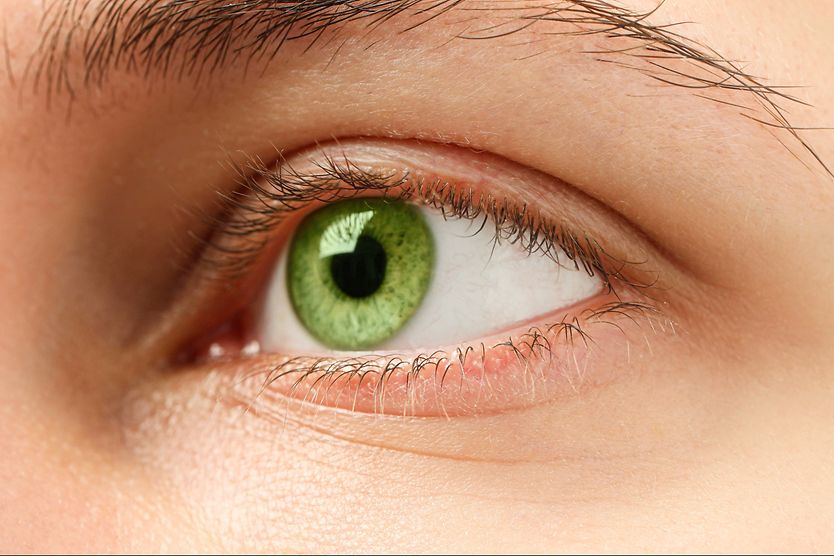
Green is considered to be the rarest naturally occurring eye color. Some surveys suggest green eyes are also considered the most attractive eye color.
Researchers have found that only about 2% of the world’s population has green eyes. In the United States, about 9% of Americans have a green eye color.
READ MORE: Rare eye colors
Can eye colors change?
Sometimes, yes!
Most non-Hispanic, Caucasian babies are born with blue eyes. In some cases, a baby's eye color will darken over time. It appears this is caused by more melanin developing in the iris during infancy and early childhood.
So, a child born with light blue eyes may end up with a darker blue eye color or an entirely different eye color.
Most individuals achieve stable eye color by 6 years of age. However, a subpopulation of 10% to 15% of Caucasians can have changes in eye color throughout adolescence and into adulthood.
Unequal eye colors
If you look closely, many people have eyes with significant variations in eye color in different parts of the iris. This is normal and is caused by tissue variations in different parts of the iris.
But some people can have a pigment "freckle" (called a nevus) on one part of their iris. It's also possible to have a variation called heterochromia, where a small or large section of your iris has a different color than the rest of your eye. Sometimes, heterochromia can be so significant that one eye is a different color than the other.
In rare cases, infants with different-colored eyes may have a condition called Horner's syndrome.
If you notice anything unusual about your eye color or your adult eye color changes, see an eye doctor to determine the cause.
READ NEXT: How surgery can change your eye color