Can contact lenses correct astigmatism?
Astigmatism is a common refractive error caused by a misshapen lens or cornea. It can cause blurred vision at any distance. Astigmatism is sometimes accompanied by nearsightedness or farsightedness (other refractive errors).
One way to correct these vision problems is with contact lenses for astigmatism. Refractive surgery and eyeglasses are other vision correction options.
Multifocal contact lenses are contact lenses that contain more than one vision-correcting power. They can correct near and distance vision for conditions, such as presbyopia (age-related farsightedness). Toric multifocal contact lenses feature multiple design elements that enable the lens to remain stable while correcting astigmatism and incorporating two distinct lens powers: one for near vision and one for far vision.
What are astigmatism contacts?
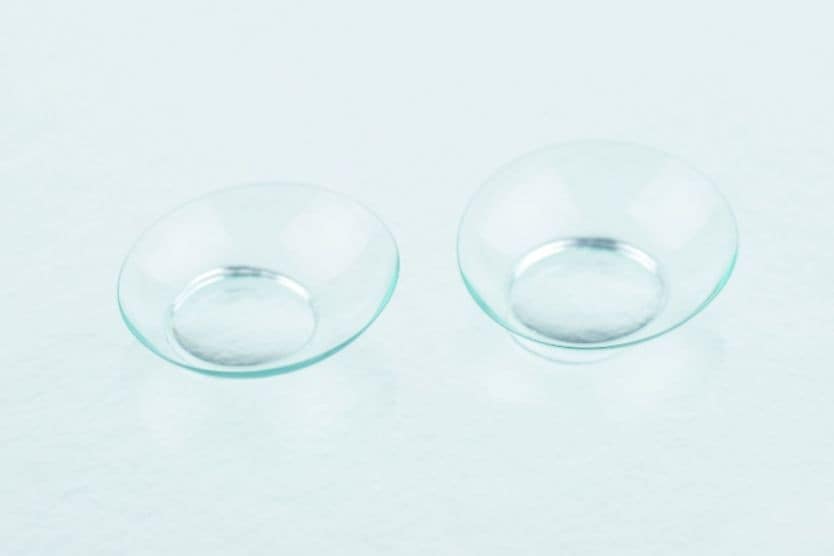
Contact lenses for astigmatism are specially designed to correct the visual effects of astigmatism. In today’s modern contact lens market, people with astigmatism have more options than ever.
Contact wearers often use one of three types of lenses to correct the effects of astigmatism:
- Soft toric lenses
- Rigid gas permeable toric lenses
- Hybrid lenses
People with mild astigmatism can often see well with soft toric lenses. But rigid gas permeable or hybrid contacts may be able to offer even sharper vision.
Deciding which contacts are best for your astigmatism depends on how well you tolerate each lens. The characteristics of your eyes and your level of astigmatism are also factors.
What are toric contact lenses?
Toric lenses (also called torics) are soft contact lenses or rigid gas permeable lenses that correct astigmatism. Soft toric lenses are made from one of several materials:
- Hydrogel
- Silicone hydrogel
- Hybrid (silicone hydrogel and hydrogel)
Silicone hydrogel lenses are more breathable than their conventional hydrogel contacts. But they can also be a little more expensive.
There are two important differences between soft toric contact lenses for astigmatism and the “regular” soft lenses that only correct nearsightedness or farsightedness:
- Toric lenses correct both the astigmatism and the accompanying nearsightedness or farsightedness.
- Toric lenses have a design feature that allows them to rotate to the perfect angle on the front of your eye.
Rigid gas permeable toric lenses come in three types:
- Front surface toric
- Back surface toric
- Bitoric
Every eye with astigmatism is unique, so it can take some trial and error to find the right lens with the best fit, comfort and visual sharpness. Your eye doctor may experiment with two or three different brands before finding the optimal pair.
It generally takes more expertise for an eye doctor to fit a patient for toric contacts than it does for regular lenses. For this reason, a toric lens fitting may cost more than a regular contact lens fitting.
Torics are more complex in design, so the cost of replacing them is higher than most regular contacts. The exact price will depend on the lens design, lens material and where you buy them.
What are gas permeable contact lenses?
Gas permeable contact lenses are another popular type of contact lens for astigmatism.
You might also hear gas permeable lenses called:
- GP lenses
- Rigid gas permeable lenses
- RGP lenses
All of these terms refer to the same kind of lens.
In most cases, GP lenses can correct astigmatism without a specialized toric design. This is because they’re rigid and retain their shape on the eye’s surface, instead of conforming to the surface like soft lenses do.
Several types of gas permeable lenses are available with toric designs. They may be prescribed based on the type and severity of a patient’s astigmatism.
Another gas permeable option is scleral lenses. These larger lenses provide excellent astigmatism correction — even for irregular eye surfaces.
Many people with astigmatism find that their vision is noticeably sharper with gas permeable lenses than it is with torics. But since they’re thicker and more rigid, they can take more time to adapt to. And some people simply can’t get used to the sensation of thicker lenses on their eyes.
Fitting gas permeable contacts usually takes more time and expertise than fitting soft contact lenses (including torics). GP lenses are also custom-made to your specific eye measurements.
This means that GP lenses and fittings usually cost more than soft lenses and lens fittings. However, this type of lens doesn’t need to be replaced as often as soft contacts do, so lens costs sometimes end up being similar or even lower over time.
SEE RELATED: How doctors test for astigmatism
What are hybrid lenses?
Hybrid lenses are a sort of mixture between soft lenses and gas permeable lenses. They can give wearers a high level of sharpness without sacrificing comfort.
Hybrid lenses have two important features:
- A center made of a gas permeable material
- A surrounding area made of soft hydrogel or silicone hydrogel material
Hybrid lenses are less likely to get dislodged during sports and physical activity. This is because they’re about the same size as soft lenses, with thinner edges than gas permeable lenses.
Like gas permeable options, fitting hybrid contact lenses also takes more time and expertise than fitting toric lenses. They’re also custom-made for each wearer’s eyes, which increases costs.
You can generally expect hybrid contact lens fittings and replacements to cost about as much as they would for GP lenses. But, like GP lenses, hybrid contacts don’t need to be replaced as often as soft contacts do.
Specialty contacts for astigmatism
There used to be very few options available for astigmatism contacts, especially for lenses that corrected unusual or high amounts of astigmatism. But that isn’t the case anymore.
Today, disposable contacts are available in many designs. Monthly, biweekly and even daily replacement lenses are available.