A Guide to Children's Vision Problems
By Gretchyn Bailey
Vision is arguably the most important of the five senses.
It plays a crucial role throughout childhood and beyond.
Yet many parents don't understand how vision
helps their children develop appropriately.
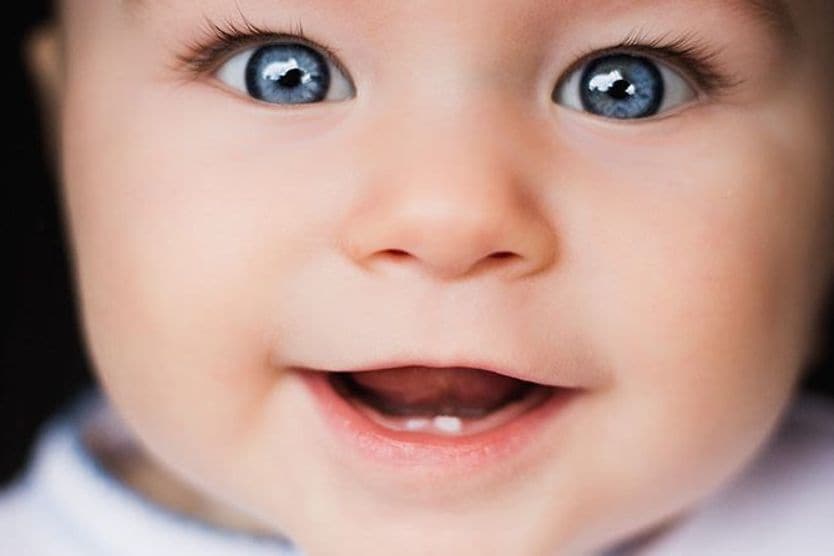
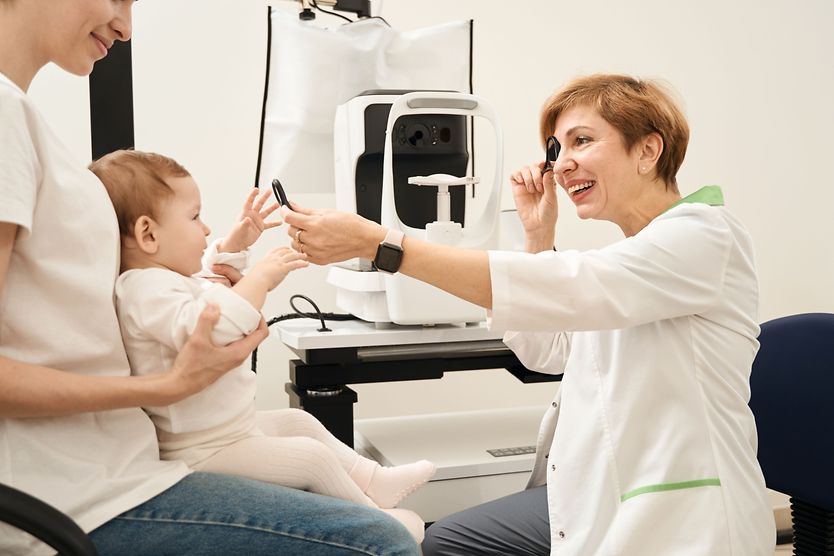
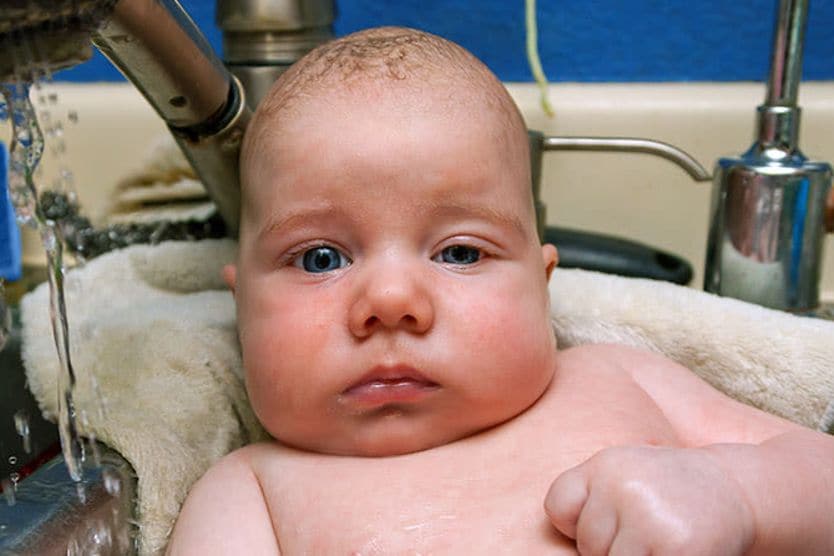
For example, for the first several months, a baby
can focus only on objects up close. Those objects
will be seen in high contrast colors only, such as
black, white and red.
Using the eyes as a team is a skill developed
early in childhood. Parents, pediatricians and
eyecare practitioners
must ensure that the eyes work together, not independently,
during the early formative years. Otherwise a lifetime of
poor vision or permanently lost vision may result.
Moving into the preschool and school-age years, parents face a new set of worries:
Parents of school-age children should stay informed
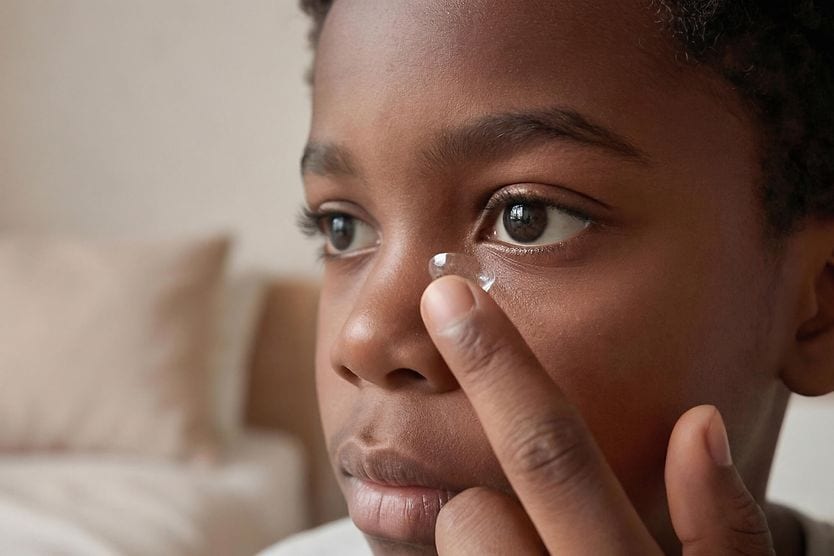
about vision correction options, such as using contact lenses instead
of glasses to control nearsightedness
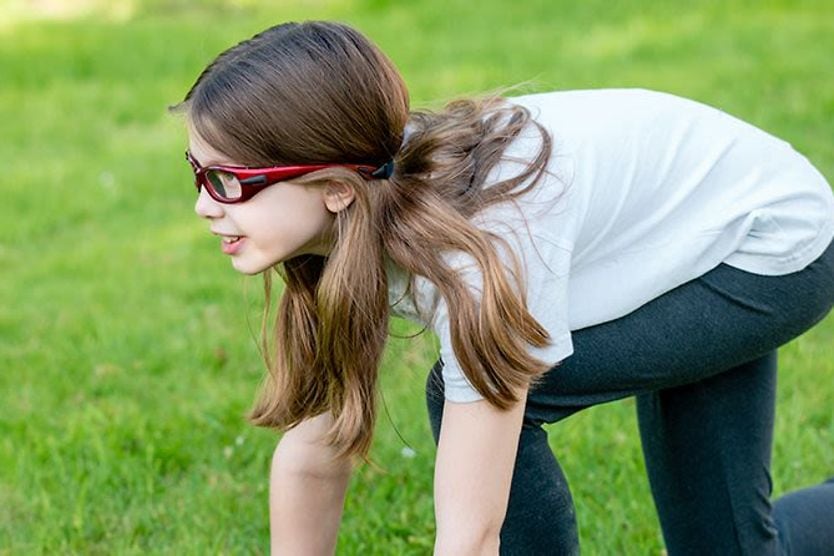
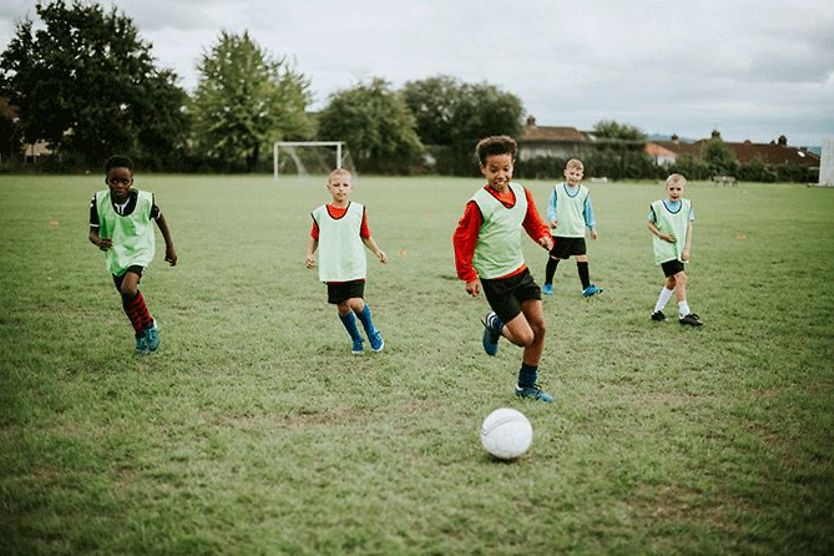
or proper eye protection for recreational play and sports.
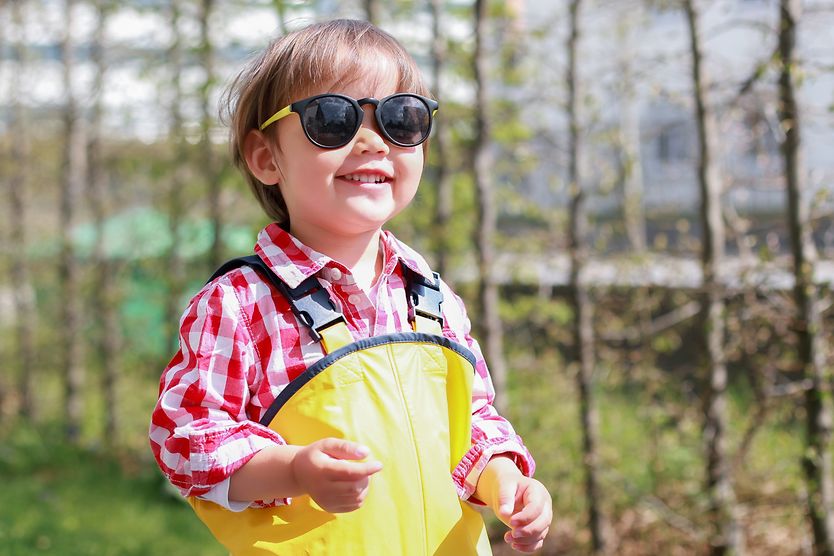
Ensuring that children wear sunglasses is very important, too.
(Check out the top five trends in children's sunglasses.)
 |
|
Does your child have a pet? Tell him to avoid touching his eyes when handling it, not
let it crawl on his face or head, and always to wash his hands afterward.
This applies to dogs and cats, especially if your child is allergic to their dander. But
it is also very important when it comes to pets such as reptiles. Many of these creatures
have salmonella on their skin, and contact with the eyes or skin can cause serious illness.
Recently a Utah teenager was handling his pet tarantula, when he touched his eye and immediately
felt a burning sensation. Tarantulas are covered with tiny hairs that can penetrate human skin
and eyes like tiny spears, causing inflammation.
As reported by KSL TV in Salt Lake City, ophthalmologist Dr. Majid Moshirfar said that sometimes the
hairs are so small they cannot be removed from the eye, even when viewed under a microscope.
Unfortunately, most pets don't come equipped with safety warnings. So it is up to
parents to research possible health problems before allowing their kids to have a
pet. L.S.
|
This comprehensive section answers the above
questions and many, many more. Consult your pediatrician
and eyecare practitioner with specific questions about
your child's visual performance, prescription and vision
needs. Informed parents working in concert with a
caring health-care provider give the best possible
care to a child.
[Page updated September 2006]
More articles on children's vision: |
|