Will my child’s vision get worse without glasses?
If your child has a refractive error like myopia (nearsightedness), they probably need prescription eyeglasses or contact lenses to correct or manage the issue.
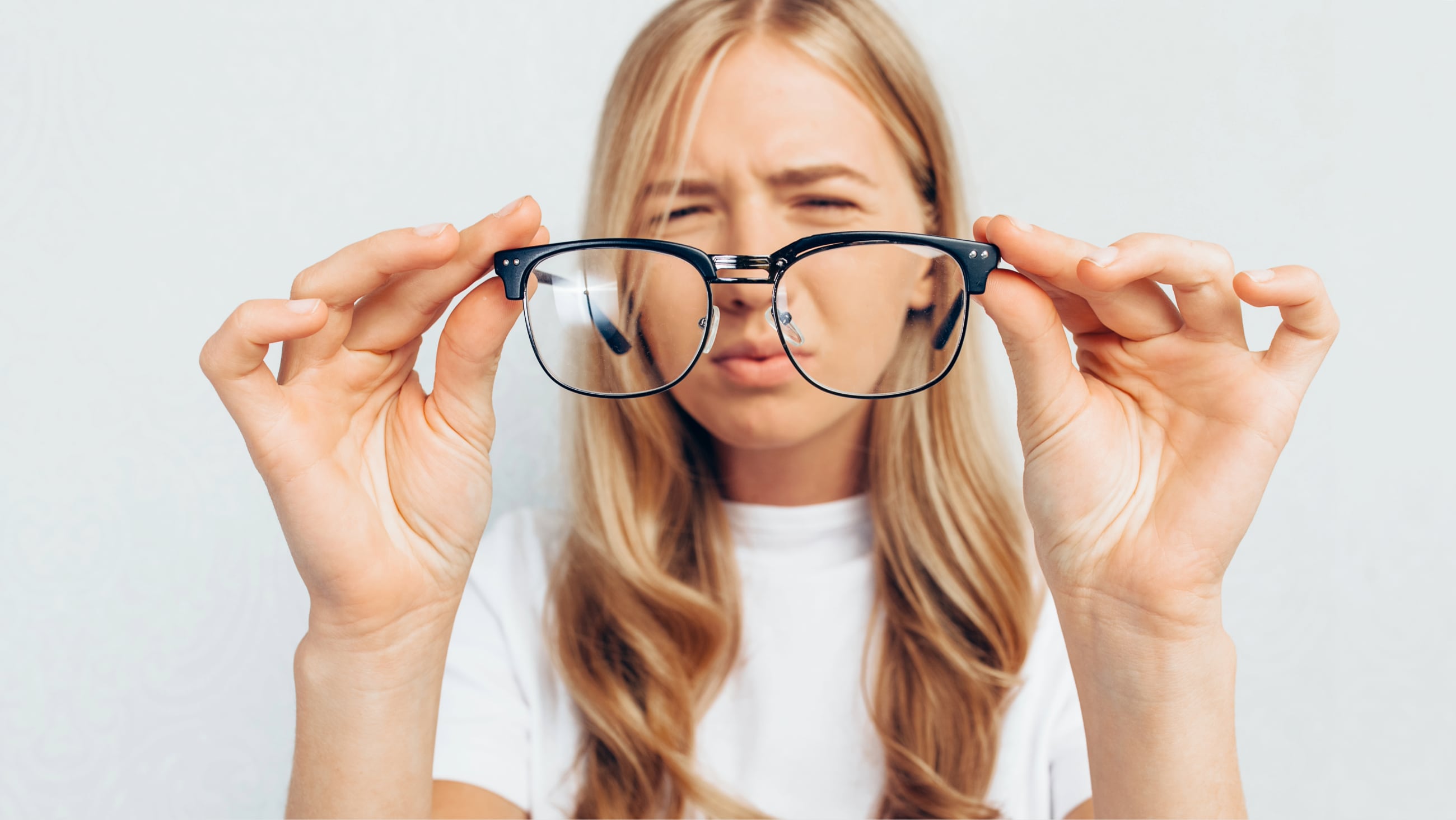
Not wearing eyeglasses, or wearing an incorrect prescription, could cause your child to experience blurriness, eye strain and other uncomfortable symptoms. If these issues aren’t addressed, they could impact your child’s quality of life.
Corrective lenses for myopia are important
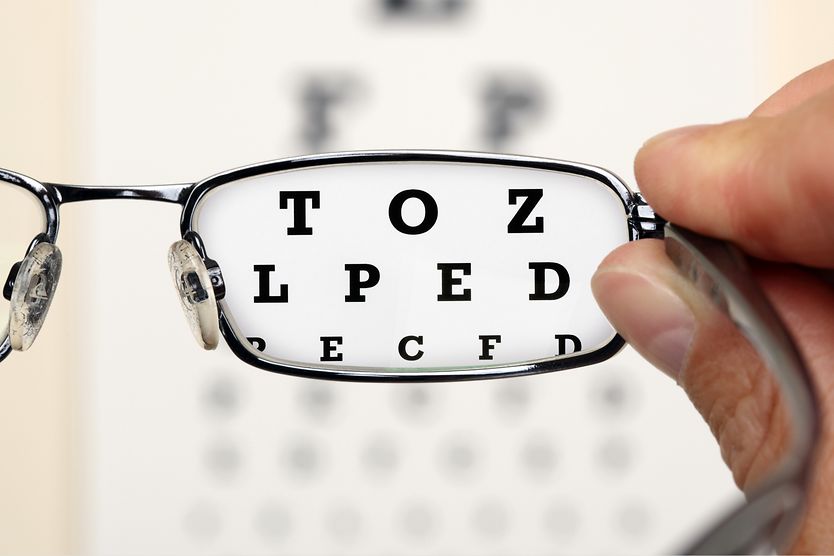
Corrective lenses are the best way to improve vision that needs correction. For example, if your child has trouble seeing up-close or faraway objects clearly, getting glasses could help significantly.

Some children have myopia, a refractive error that makes faraway objects appear blurry. If your child doesn’t have proper vision correction, they may experience the following symptoms:
- Headaches
- Eye strain
- Blurry vision
- Squinting
- Difficulty seeing the whiteboard in class
- Struggles with schoolwork
Keep a lookout for these symptoms and ask your child if they have trouble with any other vision-related issues. If so, they may need glasses (or an update to their current glasses prescription) in order to see clearly.
READ MORE: How do I know if my child needs glasses?
Vision changes throughout childhood
It should be noted that vision continues to develop throughout childhood, so your child’s vision may not be the same now as it was one year ago. It’s normal for a child’s vision to change as the eyes grow and the visual system develops. In fact, some children’s eyesight may not begin to “level out” until early twenties.
If your child’s vision changes in a short period of time, or you notice other serious eye- or vision-related symptoms, schedule an exam with their eye doctor as soon as possible.
It’s also important to remember that a school vision screening is not the same as a comprehensive eye exam. While important and beneficial, school screenings may not detect a number of vision conditions.
What could harm your child’s vision?
Injuries, infections prolonged ultraviolet exposure or untreated eye conditions could cause discomfort or potentially harm the eyes.
Eye injuries
Depending on the severity, untreated, serious eye injuries could, in some cases, lead to vision loss. Kids’ eye injuries may occur while playing sports, so appropriate protective eyewear is important. Common causes of eye injuries include:
- Balls, darts or pucks
- Fireworks
- Fingernails, elbows and other body parts
- Chemical substances
- Debris
- Toys
If your child’s eye is injured, take them to your eye doctor or urgent care immediately for assessment and treatment.
READ MORE: Eye safety basics
Eye infections
Some eye infections can lead to symptoms such as blurry vision, light sensitivity, double vision, significant redness, and/or different levels of eye pain severity. Infections that could affect a child’s vision include:
- Conjunctivitis – Pink eye
- Keratitis – inflammation of the cornea which can be caused by various bacteria, viruses, parasites or fungi
- Orbital cellulitis – A serious infection of the fat and soft tissue located around the eye
- Dacryocystitis – Tear duct infection
- Uveitis – occurs when the eye’s middle layer, called the uvea, becomes inflamed
If left untreated, an eye infection could get worse. If you notice any symptoms of an eye infection in your child, contact your eye doctor for assessment and treatment.
READ MORE: The causes and types of vision loss in kids
Cumulative ultraviolet (UV) exposure
Cumulative exposure to ultraviolet (UV) rays can increase the risk of eye conditions such as macular degeneration and cataracts.
Very bright outdoor conditions can cause discomfort for the eyes, but protecting your child’s eyes is easy with the right pair of sunglasses. Just look for 99% to 100% UV protection on the label when selecting the frames.
If your child plays an outdoor sport such as soccer or baseball, you may also consider the benefits of sport sunglasses.
Protect your child’s vision with eye exams
A yearly comprehensive eye exam is the best way to make sure your child’s eyes are healthy and determine if their vision has changed.
In addition to measuring your child’s visual acuity (sharpness of vision), eye exams can also reveal if they have any underlying vision conditions or other problems that you may not have been aware of. Certain eye conditions may contribute to a child’s inability to see clearly and should be addressed as soon as possible.