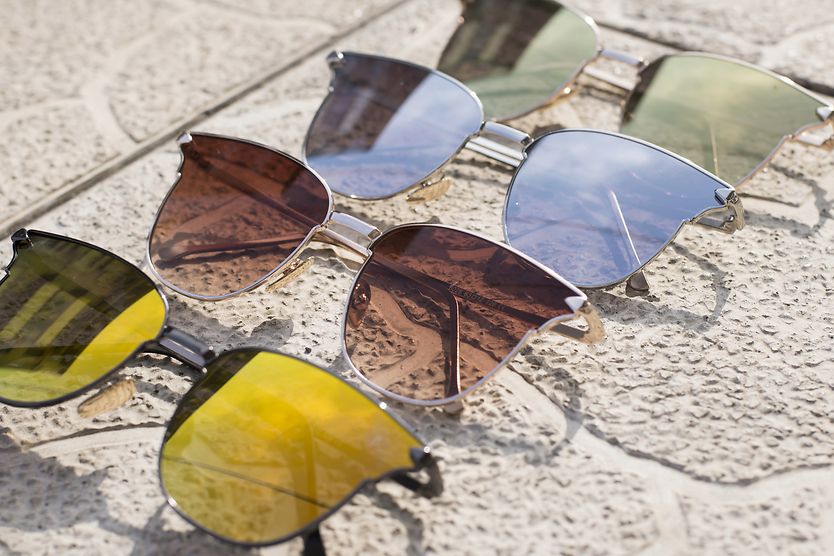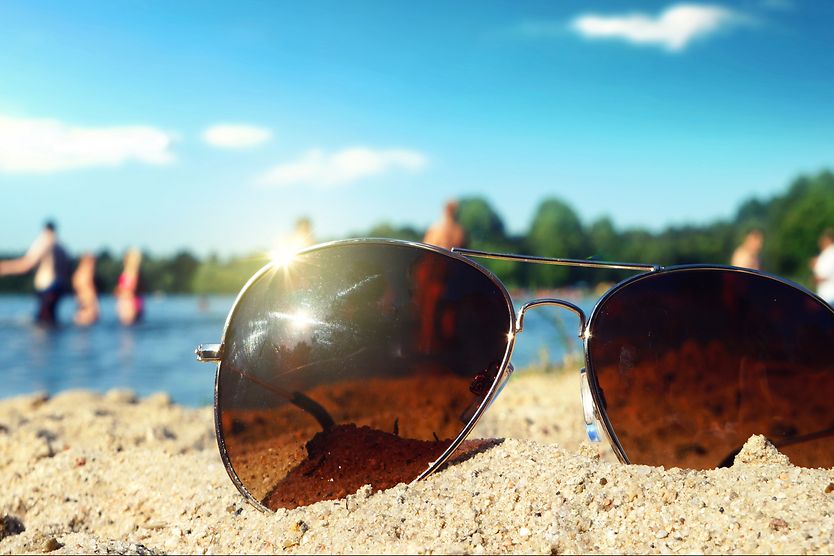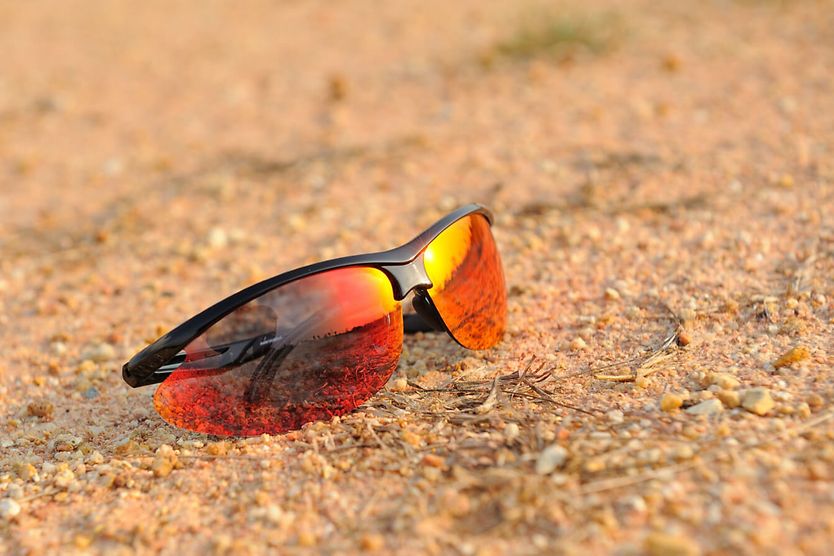
You should already know that the a helpful way to protect your eyes from the sun’s damaging ultraviolet (UV) rays is to wear sunglasses when outside, but just how much UV protection do you need?
The answer lies within the numbered rating, and the highest UV protection rating offered is UV 400.
According to the American Academy of Ophthalmology, you should choose sunglasses that block 99% to 100% of UVA and UVB rays, and UV 400-protected sunglasses do this.
What UV level should sunglasses be?
The higher the rating, the better, so look for sunglasses labeled UV 400, which provides nearly 100% protection from harmful ultraviolet light rays.
UV 400 protection lenses block wavelengths up to 400 nanometers. They also screen out 75% to 90% of visible light from the sun, which penetrates the Earth’s atmosphere and reaches your skin and eyes in the form of UVA and UVB rays.
This high level of sun protection is important because your risk of developing eye conditions — such as macular degeneration, cataracts and photokeratitis — can increase if you don't wear the proper sunglasses.
How good is UV protection on polarized sunglasses?
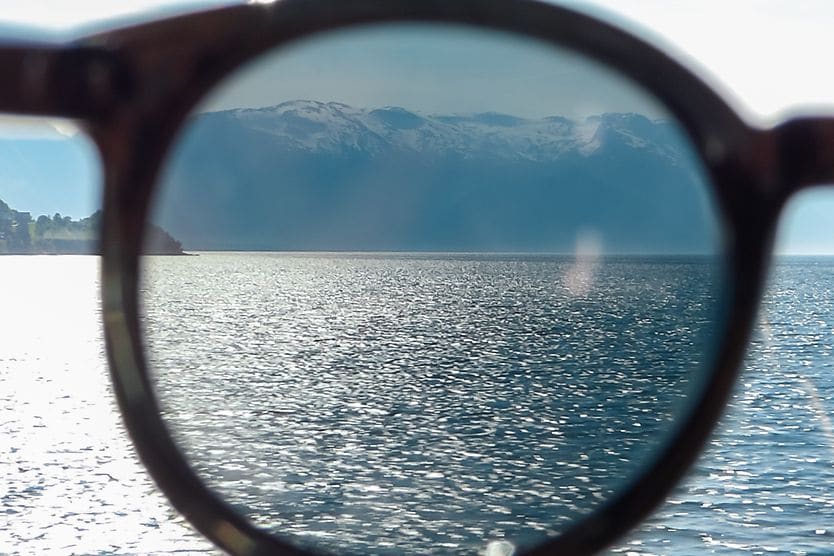
Polarized sunglass lenses use a special filter to block glare, such as intense light reflected off shiny surfaces like water and snow.
Because polarized sunglasses can help improve visibility and reduce discomfort caused by glare, they are often recommended for water sports and winter activities.
But while polarized sunglasses can help reduce glare, they don’t always offer the recommended protection from damaging UV rays.
For example, some less expensive polarized sunglasses may not provide adequate UV protection. So, when choosing polarized sunglasses, look for a pair clearly labeled UV 400 or 100% protection from UV rays.
Why UV protection is important
The damage to your eyes and skin from the sun’s UV radiation is cumulative, meaning your risk for developing sun- and UV-related eye and other conditions may continue to grow throughout your lifetime.
Children can be at greater risk for eye damage from the sun’s rays because they are often outside more than adults. Kids can also be more susceptible to eye damage because the lenses inside their eyes are more transparent than those of adults. As a result, UV rays can penetrate deeper into their eye.
But because damage from UV exposure in childhood often doesn’t show up until you’re in your 40s (or later), it’s important to use UV 400 sunglasses throughout your life to help protect your eyes.
SEE RELATED: UV light
How can I tell if my sunglasses have UV protection?
Unfortunately, it’s not easy to tell if your sunglasses have UV-protection lenses just by looking at them. Nor can you distinguish the amount of protection based on the lens color, as lens tints have nothing to do with UV protection.
One way to find out is to take your sunglasses to a doctor’s office or retail optical shop. An optician can run a simple test on your sunglasses to determine the level of UV protection, and they will often do the test for free.
When in doubt, you may want to buy a new pair of sunglasses that offers the highest level of UV protection: 100% protection against UVA and UVB rays, or UV 400. Any reputable eye doctor’s office or retailer will provide accurate labeling on sunglasses, so you should be able to spot whether the pair you want offers maximum UV protection.
If you haven’t had your eyes and vision checked recently, contact your eye doctor to schedule a comprehensive eye examination.
SEE RELATED: National Sunglasses Day
SHOPPING FOR SHADES? Shop for UV 400 sunglasses at an optical store near you or an online eyewear retailer.