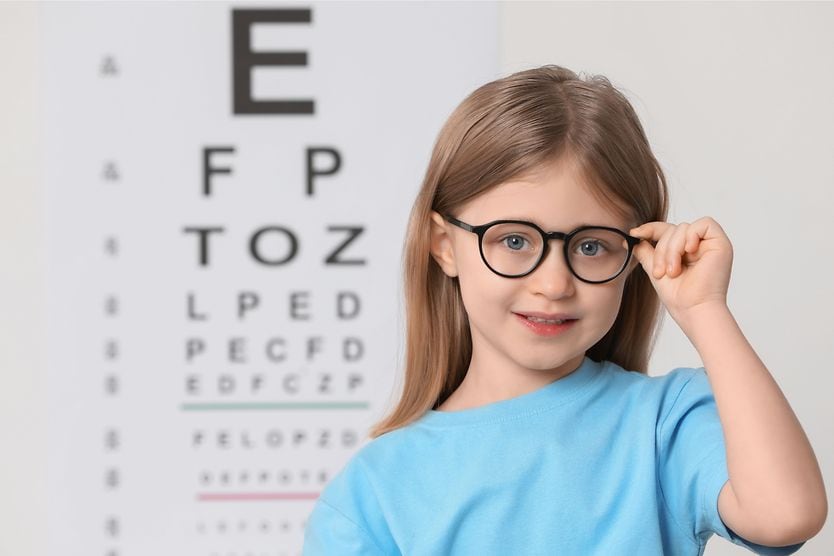
Nearsightedness may cause headaches. Headaches may actually be one of the most common symptoms of uncorrected nearsightedness.
Nearsightedness (also called myopia) is a refractive error of the eye. Refractive errors are optical imperfections of the eye that can cause eye strain and blurry vision.
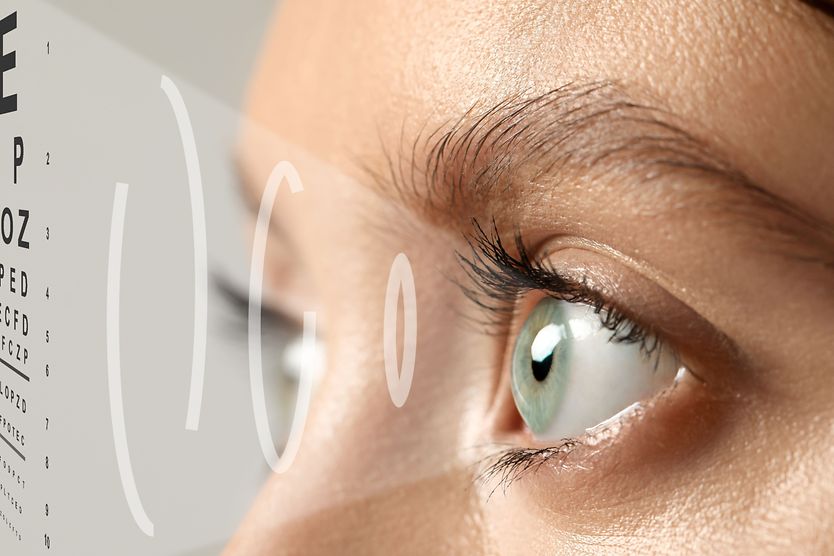
In an eye with no refractive error (a condition called emmetropia), light focuses perfectly on the retina, the light-sensitive inner lining of the back of the eye. Photoreceptor cells in the retina convert the light into signals that are transported by the optic nerve to the visual center in the brain.

In people who are nearsighted, the light focuses short of the retina. This causes blurry distance vision. Headaches may be caused by the eye strain created by the blurred vision and the squinting a nearsighted person typically does to attempt to see more clearly.
Besides squinting, children who are becoming nearsighted tend to sit closer to television screens so they can see the images on the screen more clearly.
Nearsightedness typically begins in childhood and worsens throughout adolescence. It may progress gradually or rapidly before stabilizing in early adulthood.
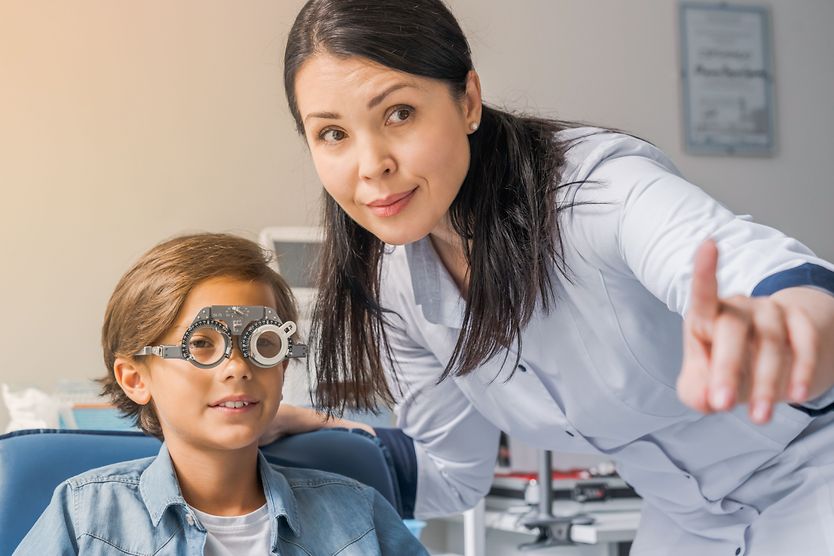
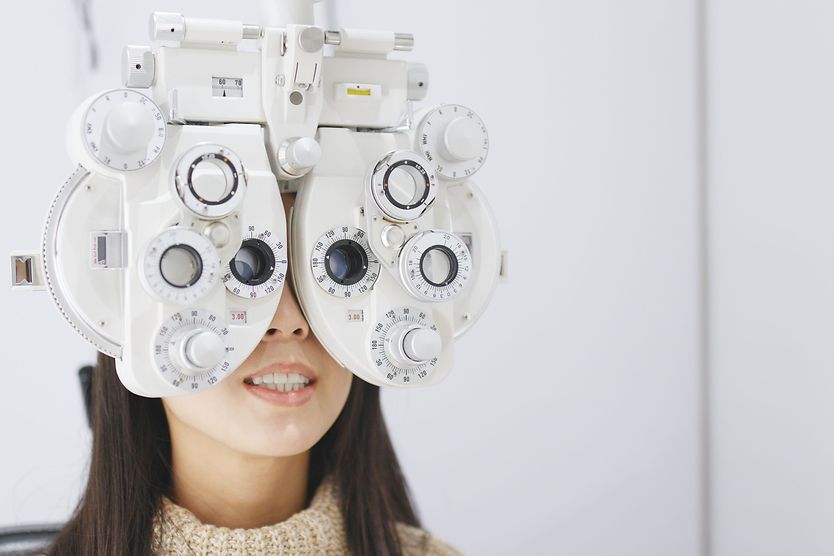
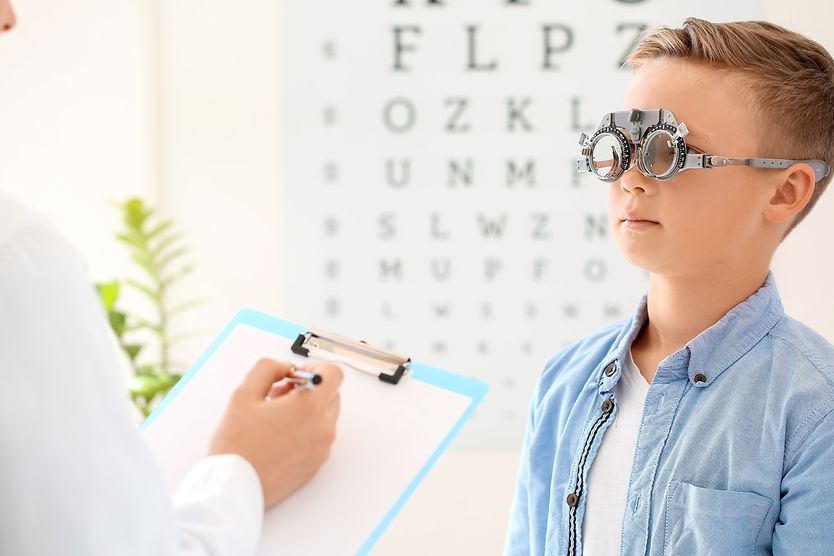
A comprehensive eye exam can confirm nearsightedness. Prescription eyeglasses or contact lenses can typically correct blurry vision caused by nearsightedness. In cases of mild myopia, glasses or contacts may only be needed for specific visual tasks, such as for sports or driving.
Once myopia is stable, LASIK and PRK are two surgical options for the correction of nearsightedness.
To determine if your headaches or your child's headaches are caused by nearsightedness, schedule a comprehensive eye exam with an eye doctor near you.