When you purchase a new pair of glasses, you may prize style over substance, and maybe even price. But when it comes to buying your kids’ eyeglasses, the opposite should be true.
Children tend to be much harder on their possessions than adults, and the same definitely goes for glasses. When looking for glasses frames for your child, prioritize durability and cost-effectiveness (considering you'll likely have to replace them more often than your own).
Take these practical pointers for selecting safe and durable frames for your kids:
Superheroes wear glasses too
First, get your children excited about wearing glasses by igniting their imagination. Tell them how they’ll gain the superpowers to play games and see the blackboard at school.

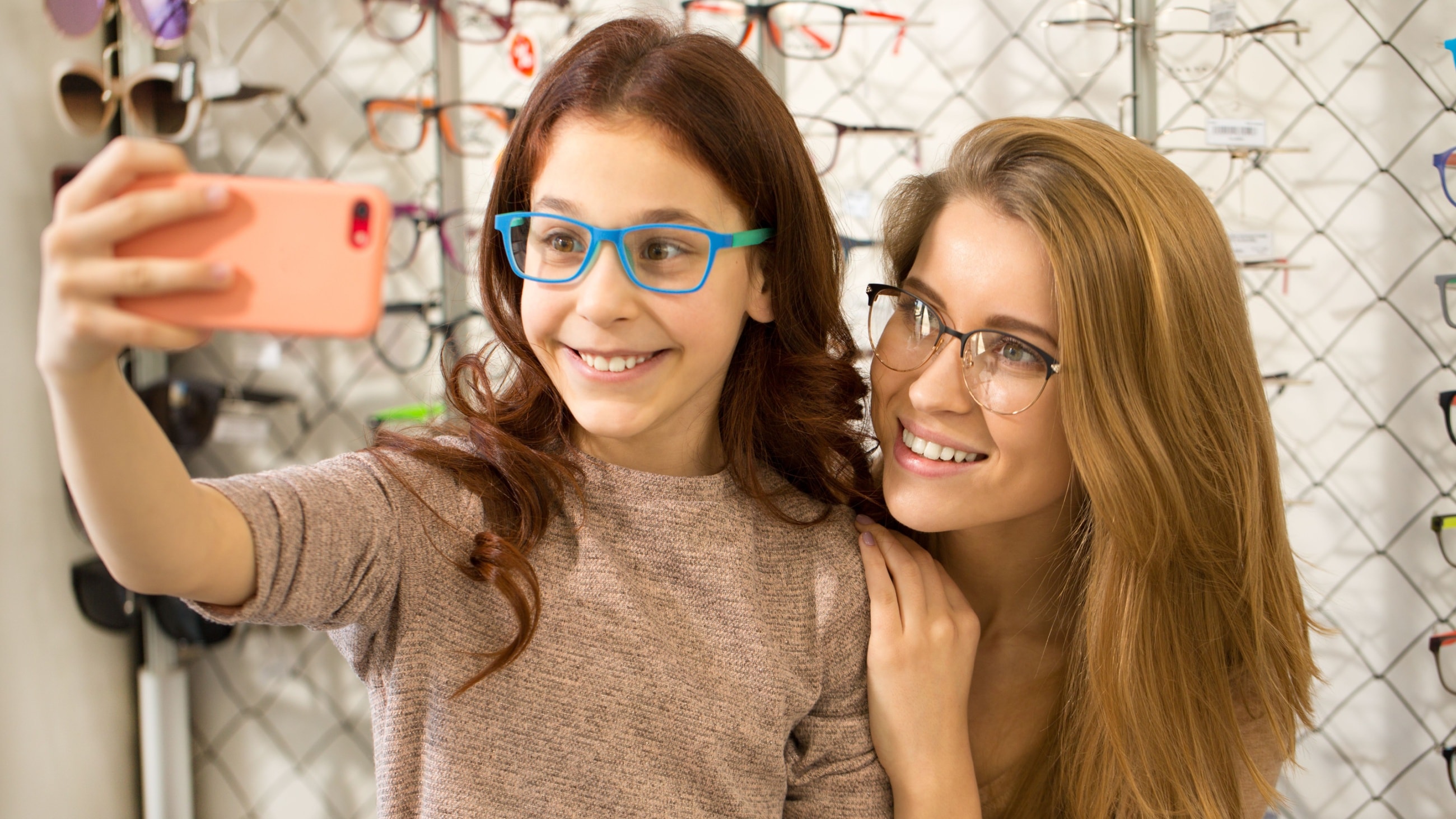
Kids glasses can be fun
Turn glasses shopping into a game with multiple moves. You might play with virtual try-on tools found on many online eyeglasses sites.
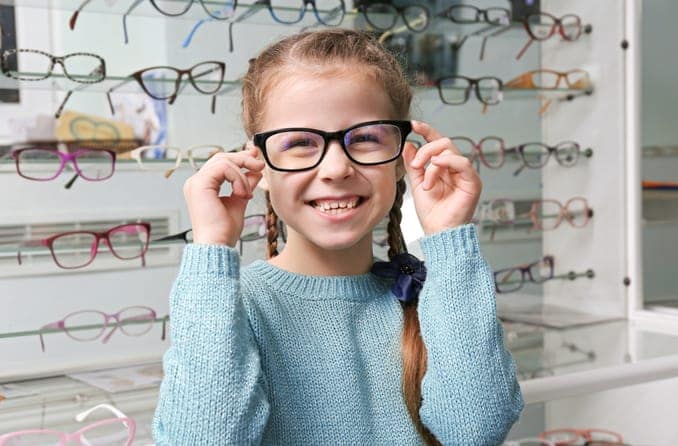
Or if you'd prefer to shop in person, take your kiddo on a scavenger hunt for the glasses with the most power! Your eye doctor can also help recommend frames after a comprehensive eye exam.
Depending on your budget, you'll be able to peruse everything from children's designer to less expensive glasses.
Whichever you decide to go with, your child is more likely to take good care of their new eyewear if they're excited about it. You could even incorporate care and cleanliness of their new glasses by reminding them how valuable their glasses are and that they should be proud to keep them safe.

Focus on comfort
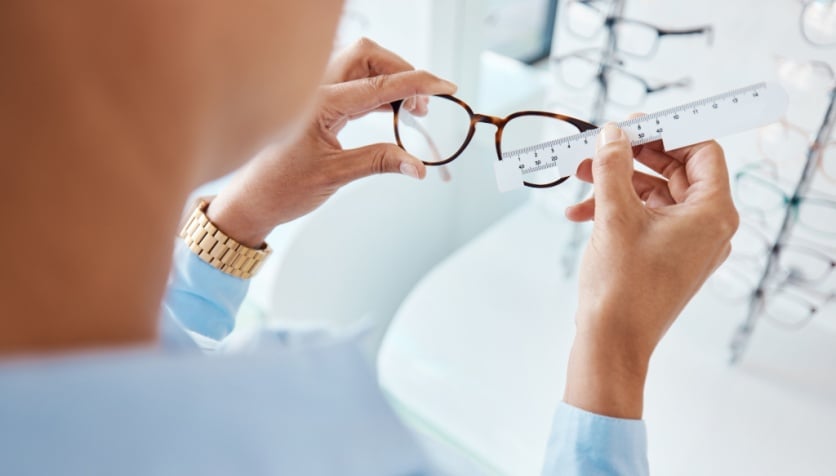
If frames are too heavy or pinch their noses, your child will likely ditch them as soon as you’re out of sight. So make sure your child's glasses are comfortable and well-fitted.
Your local optician or family eye doctor will be able to help you with any needed adjustments.
SEE RELATED: How to encourage your child to wear their glasses
Check the fit
Fit matters. Unlike starlets, kids need to look through, not above or below, their lenses. Children's still-developing brains and eyes need to train eye muscles to align for focus and depth perception.
Poor fitting glasses may throw off this alignment and could cause headaches, frustration and inadequate vision correction.
Be flexible
Kids’ flexible glasses may have rubber frames that can be custom-fit. Often these are durable, inexpensive and less likely to fall off, making them great for sports.
Plus, these frames are safe for little ones who tend to be more active and less steady on their feet.

Spring forward
Eyeglasses, especially for children, should be built to last. Frames with spring hinges flex outward and usually need fewer repairs.
Also ask for shatter-resistant polycarbonate lenses with a scratch-resistant, UV-protective coating. Pairing these with your child's durable new frames will ensure they have kid-tough glasses!
Or if your kiddos practically live outdoors, upgrade to polycarbonate photochromic lenses to block 100 percent of UV rays. Light-adaptive lenses cost more but allow you to bypass kid's prescription sunglasses, especially considering kids are most likely to lose or break them.
Hold them in place
For the younger child prone to ripping off accessories and the sporty types who never seem to stop running and bouncing around, you may need an adjustable elastic strap to hold their glasses in place.
Or look for side pieces that wrap around the ear, making them less likely to fall off.
SEE RELATED: Find the best glasses for your face shape
Get noticed – or not
Kids’ glasses should fit their personalities and passions. Some kids want to be noticed — others don’t. Talk to your child before you take them shopping and ask them what they think. You can encourage them and remind them that glasses are common and can be fun, but listen to their hesitation as well as their excitement.
Then help them make the right choice for them based on what you learn.
Get extra glasses
Your eye doctor or optician could suggest buying a backup pair and a one-year warranty against breakage and excess scratches. A two-year warranty might not be necessary, as small kids will most likely outgrow their frames in that time.
Above all, consult with your child’s optometrist or ophthalmologist to make sure their new glasses provide the clearest, most comfortable vision for them.

READ NEXT: 10 tips for buying kids’ eyewear