Choosing the best computer glasses for you
In an increasingly digital age, we typically spend more time each day staring at our computers, watching TV and tinkering on our smartphones and tablets. All that screen time can add up. But blue-violet light-filtering computer glasses may be able to help.
What are blue-light computer glasses and how do they filter blue-violet light? What is blue light? What kind of blue light glasses are there? Our guide can help you select the best computer glasses for you.
What are computer glasses?
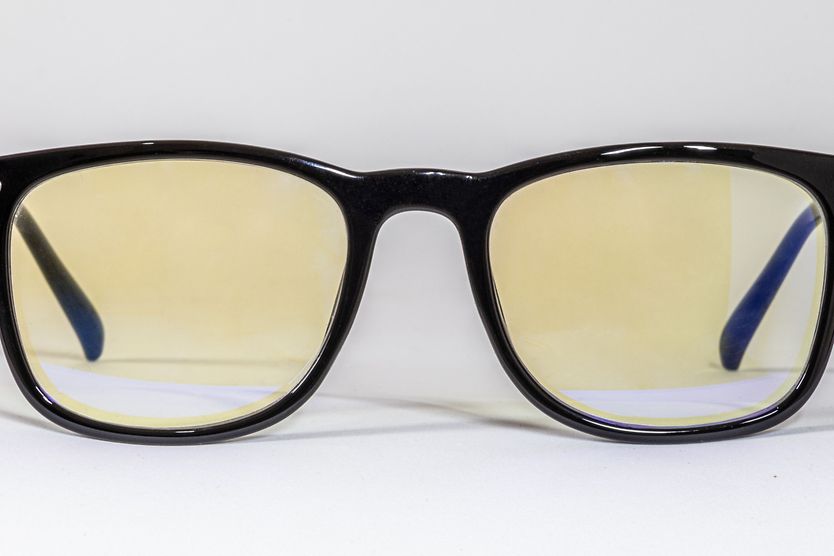
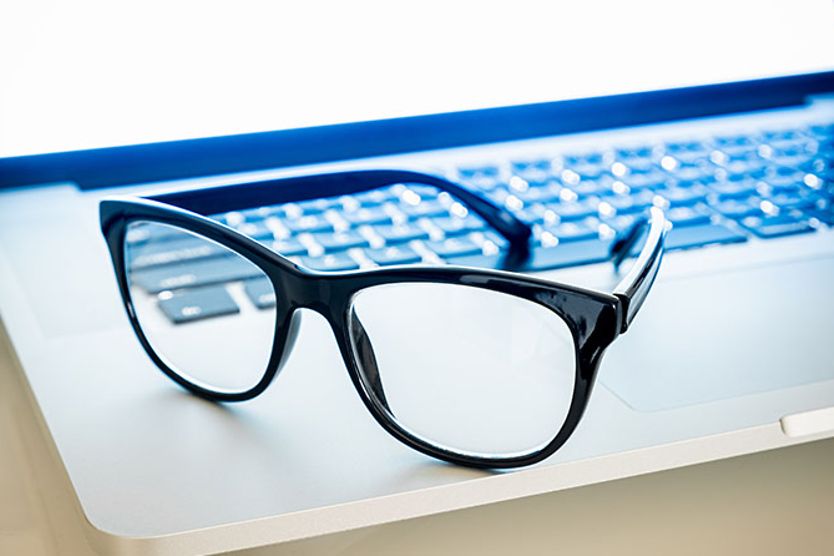
Computer glasses with blue-violet filtering technology have specially coated lenses designed to help you focus, relaxing your eyes while using a computer. Prescription and non-prescription computer glasses are available.

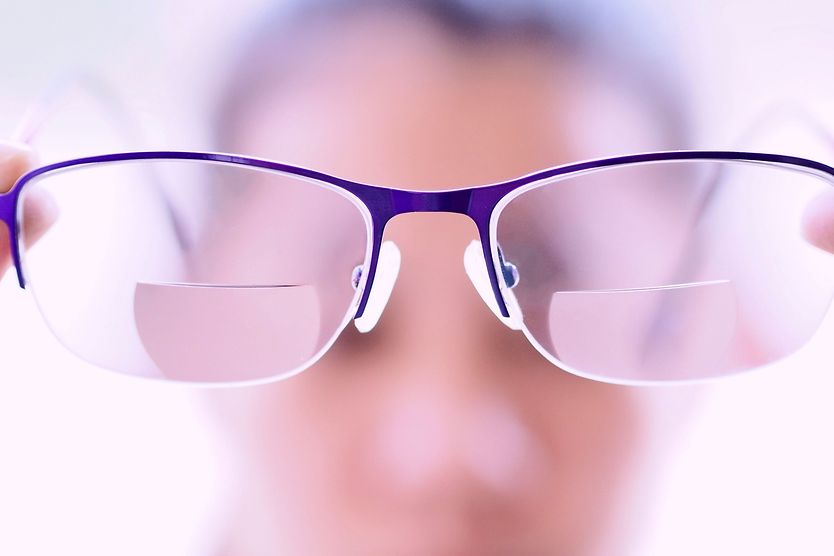
If you experience digital eye strain from viewing small print on a screen and have symptoms like eye fatigue, burning or itching eyes, headaches or blurred vision consider wearing computer glasses with an intermediate distance prescription.
Not sure if your monitor is far enough from your eyes? If your screen is about an arm’s length away, it’s the ideal distance from your eyes.
SEE RELATED: Do blue light glasses work?
What is blue light?
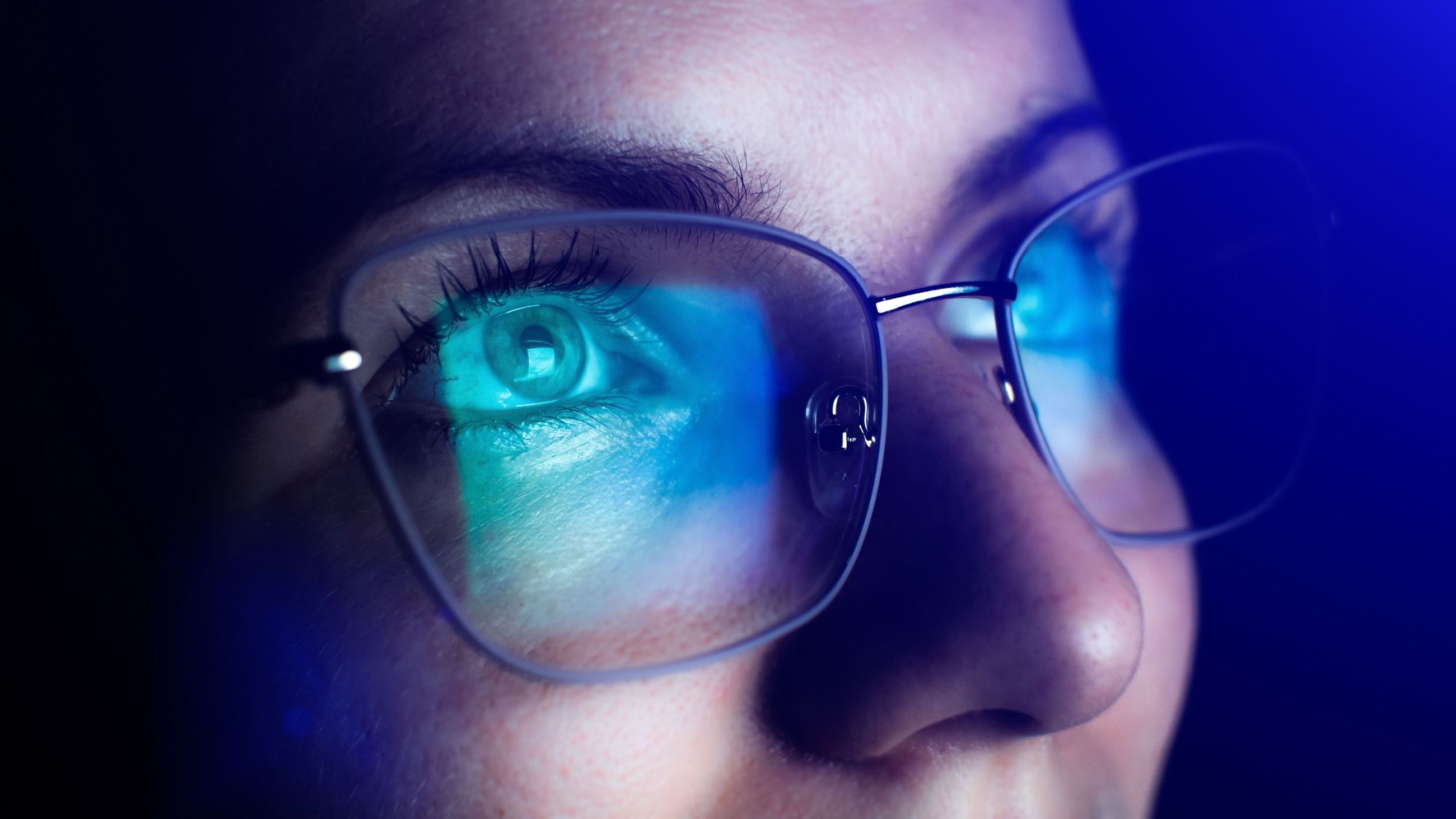
Electronics like smartphones, computers and TVs give off LED blue light, which is part of the visible light spectrum, with wavelengths from about 400 nm to 495 nm. Not all screens are LED-based, and the specific wavelength emitted may vary by manufacturer or device setting.
Blue light can be divided into two bands, blue-violet light (400-455 nm) and blue-turquoise light (465-495 nm). Sleep/wake cycles are impacted by blue-turquoise light, not blue-violet light. The main source of blue light (including blue-violet light) is sunlight, even indoors.
Computer glasses with blue-violet filtering can make it more comfortable to look at your screen and easier to focus on the work at hand, no matter the time of day. But remember that clear blue-light computer glasses typically filter blue-violet light, not blue-turquoise light (which impacts circadian rhythm).
What kinds of computer glasses are there?
Computer glasses can be made with:
- Prescription or non-prescription lenses
- Different lens tints to filter different percentages of blue-violet light
- Anti-glare and/or scratch-resistant lens coatings
The ideal computer glasses for you depends on your overall vision and the type of work you’re doing.
Prescription vs. non-prescription computer glasses
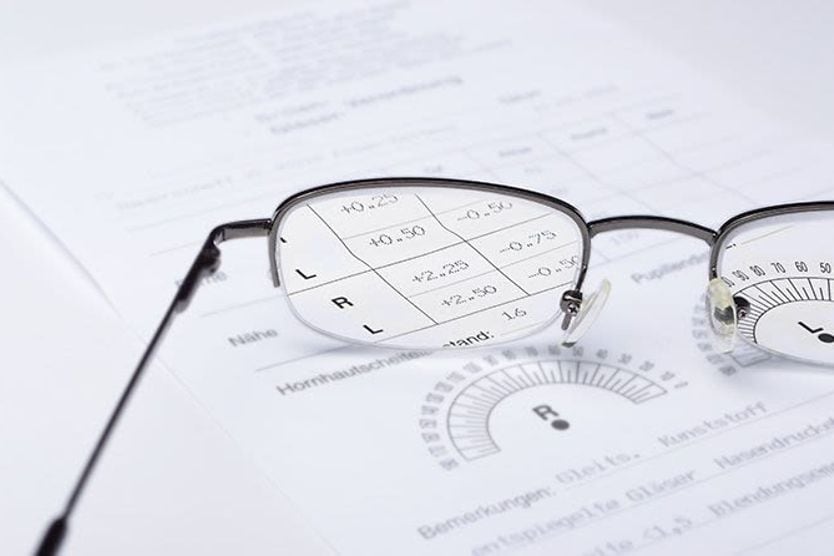
If you already have prescription glasses and want to start wearing computer glasses, you’ll need to order a new pair. Blue-violet light filters cannot be added to your current lenses but they can easily be applied when new glasses are being made.
Pricing for computer glasses can vary, depending on the frames you order, your prescription strength, the lens upgrades you want, and the type of lenses you need (such as single vision or progressives).
If you don’t need vision correction, prefer to wear contacts or don’t want to spend much on a new pair of prescription glasses, “plano” computer glasses (with non-prescription lenses) are a way to help filter blue-violet light.
Online retailers may offer many frame styles and lens coating options to fit your personal style and budget.
Lens tints vs. coatings
Computer glasses come in a variety of lens tints and coatings.
Here’s how lens tints and coatings filter blue-violet light:
Lens tints
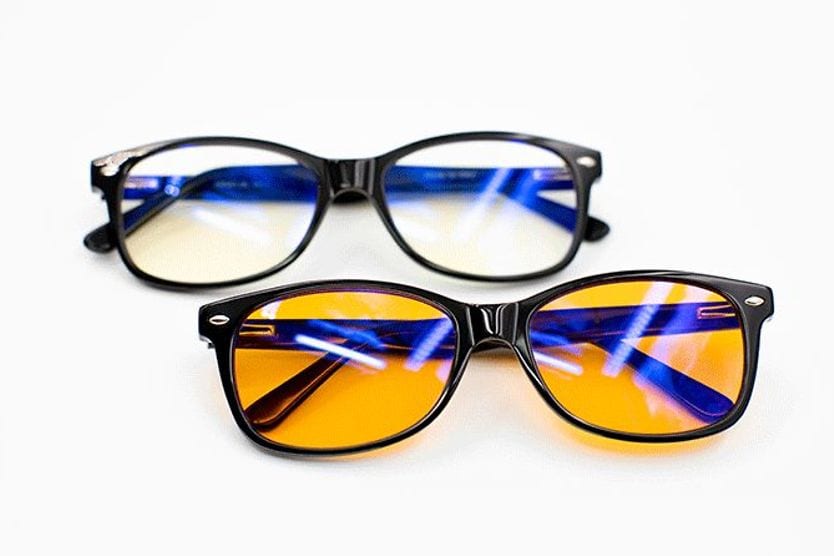
If you’re looking for some enhanced blue light filtering, you may consider investing in a pair of dark yellow- or amber-tinted lenses. The amber and yellow tints can absorb more of the blue light before it reaches your eyes. In fact, these tints can block up to 94% of blue light.
Blue light glasses are also sometimes called blue light-blocking glasses or blue light filter glasses or even blue blockers. Even though blue light glasses are often referred to as ‘blue-light blocking,’ it’s more accurate to say that they filter light.
The only way to completely filter blue-turquoise light is with a dark amber/orange tint, which can cause cosmetic and visual issues. Not all products that claim to block blue light will filter blue-violet light or blue-turquoise light. Ensure your blue light glasses filter the correct wavelength for your desired purpose.
Lens coatings
Tinted lenses aren’t for everyone. But there are clear lens options that provide blue-violet light filtering. Lenses with 10% or 20% filtering can appear almost clear. These can be an appropriate choice if you wear them all day.
Anti-reflective coating can also be beneficial for computer glasses, since it prevents screen glare from irritating or distracting your vision.
Can I wear blue light glasses all day?
In many cases, wearing blue light glasses all day is typically safe and unlikely to cause problems. You may want to experiment with different types and levels of filtering to see what works for you.
If you’ve experienced symptoms of digital eye strain from viewing a screen at close distances, it’s ideal to see your eye doctor and get a comprehensive eye exam to make sure there’s nothing else causing your symptoms. Ask your eye doctor if computer glasses could help make your workdays more comfortable.
READ NEXT: What is asthenopia?