Protect your eyes from the sun after cataract surgery
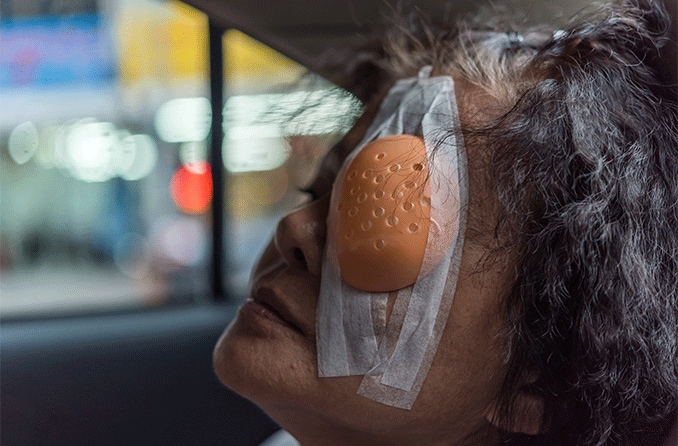
It’s always smart to shield your eyes when you head outside into the bright rays of the sun. But it’s even more important to diligently wear sunglasses after cataract surgery. Immediately following surgery, the eyes have been dilated and are hypersensitive to the sun. Sensitivity can last four weeks.
Why sunglasses are necessary after cataract surgery
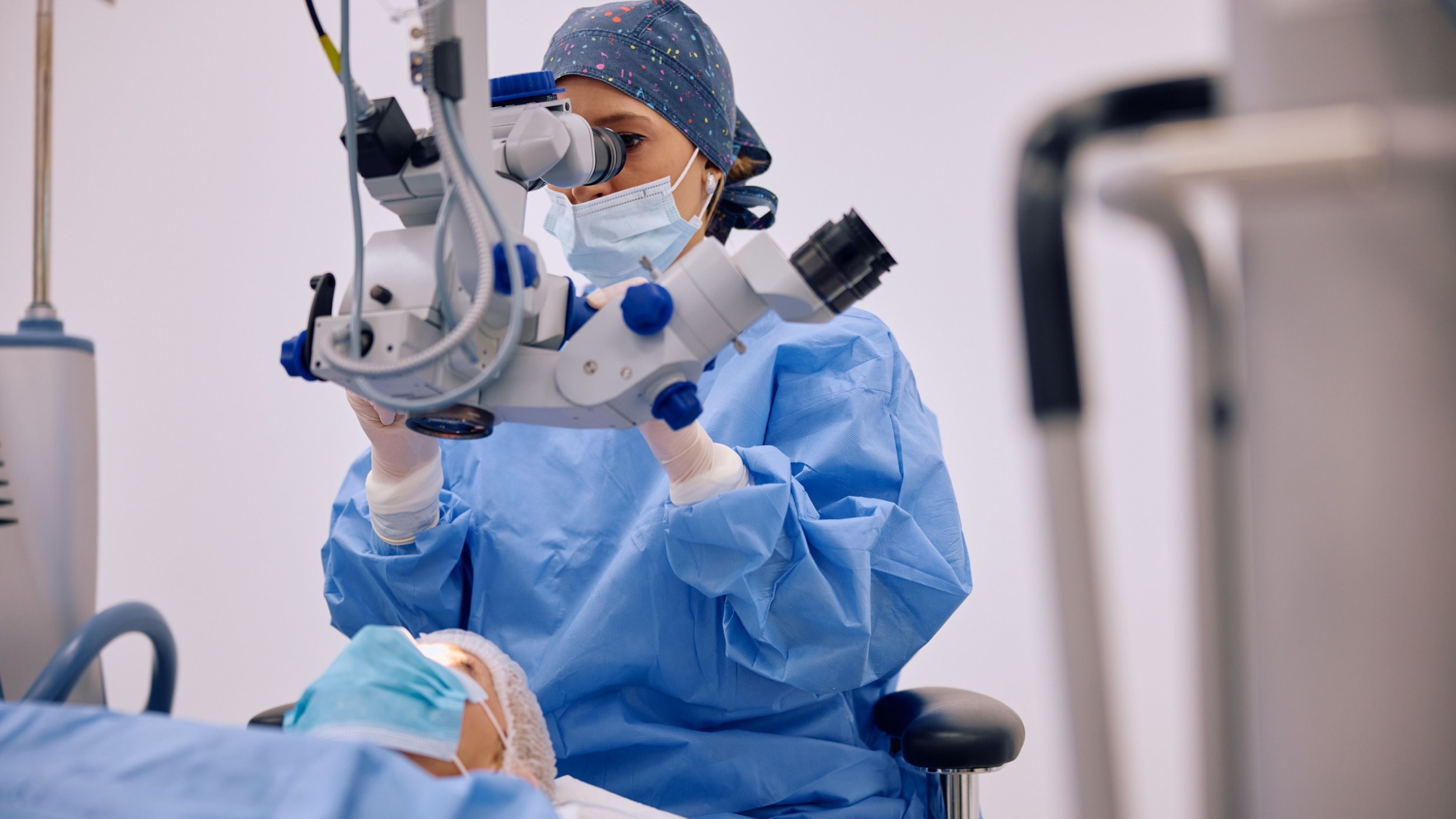
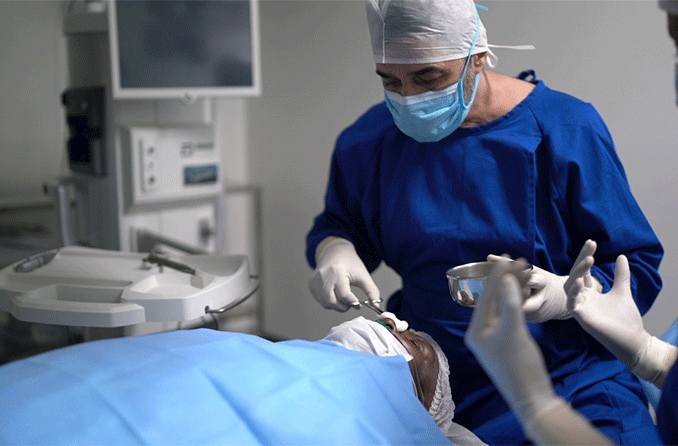
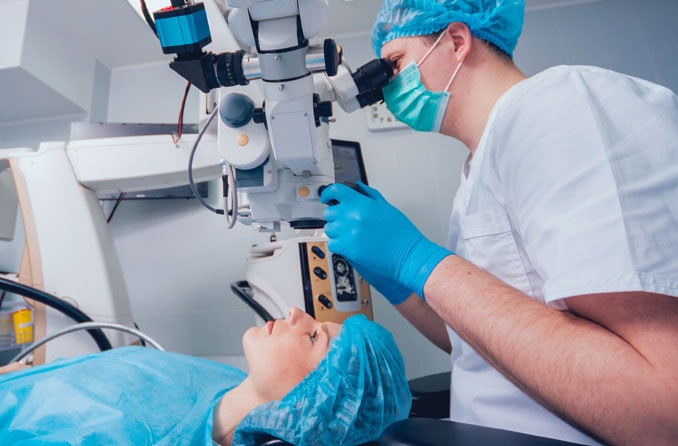
About 3 million people have cataract surgery every year in the United States. The outpatient procedure takes only about 10 to 15 minute and is generally considered safe, with most patients experiencing successful outcomes. During surgery, the eye doctor removes the cloudy lens. They then implant a clear artificial intraocular lens (IOL) to help restore clearer eyesight.
The IOL does contain UV protection, but it’s essential that you are wearing sunglasses when you walk out of the surgery center door. Some eye doctors give patients a temporary pair to wear home. But it’s becoming less common, says Jay Bansal, M.D., a cataract surgeon based in California.
“Be sure to ask your doctor whether they provide sunglasses,” Dr. Bansal says. “You may have to bring your own.”
How long to wear sunglasses after cataract surgery
Everyone should protect their eyes from UV rays outdoors, both before and after cataract surgery, Dr. Bansal says. In fact, UV protection may even slow the development of cataracts. This means there’s no set time frame to wear sunglasses after cataract surgery.
However, it is especially important to wear post-cataract surgery sunglasses diligently for the first month of recovery, says Tanya Khan, M.D., a board-certified ophthalmologist. “The first four weeks of healing is the most sensitive time period.”
The eye doctor also uses eye drops to dilate your pupils during surgery. They may stay dilated for a week or so afterward, which can make the sunlight uncomfortable. When your pupils go back to normal, they’ll be able to get smaller to prevent too much light from getting in your eyes. In rare cases, pupils may stay dilated permanently. Sunglasses can help with the extra light sensitivity caused by pupil dilation and eye surgery in general.
But that doesn’t mean you can stop wearing sunglasses with UV protection once your eyes have healed. UV protection is necessary outside, both in the sun and the shade. “You should be wearing protective sunglasses all the time,” Dr. Bansal says. “It’s a good habit with no time limit.”
Shopping for sunglasses after cataract surgery
When you’ve just had cataract surgery, it’s a good idea to look for sunglasses that offer maximum protection for your eyes. Here are the main features eye doctors say you should look for while shopping for cataract sunglasses:
- Polarized lenses – Shop for cataract surgery sunglasses with polarized lenses, which reduce glare and are especially good for driving, says Dr. Khan. “They’re going to give you a crisper image, and that comes in handy any time clarity of vision is important,” she says.
- Plenty of UV protection – Get sunglasses that are at least UV 400, Dr. Khan recommends. That’s because UV 400 sunglasses block virtually 100 percent of UV rays. These sunglasses filter out light wavelengths up to 400 nanometers, which includes UVA and UVB rays. By law, all U.S. sunglasses provide a high level of protection regardless of price.
- Good coverage – Look for a pair of sunglasses that cover your eye area well, Dr. Khan says. It’s ideal to choose a frame that covers your brow area on top and extends to or past your tear trough on the bottom, she says. Bigger “wraparound” sunglasses also can help protect the delicate skin around your eye from skin cancer, she adds.
- Quality – You don’t have to spend hundreds of dollars on a pair of post-cataract surgery sunglasses, but you may want to invest a little more in a quality pair that will last. Sunglasses labeled UV 400 tend to be a little on the pricier side.
- Comfort – The more comfortable your cataract surgery sunglasses, the more likely you are to keep them on for extended periods of time. Like sunscreen, the sunglasses are the ones you’ll wear.
“Sunglasses are like sunscreen for your eyes,” Dr. Khan says.
If you need additional help picking the right frames and lenses for you, talk to your eye doctor. Get a pair of quality sunglasses you love, and you’ll find it easier to follow your doctor’s orders and grab your UV protection when you head out the door.
Remember: “You should be wearing protective sunglasses all the time,” Dr. Bansal says.
SEE RELATED: Best glasses and sunglasses for cataracts