How much does cataract surgery cost?


What is the average cost of cataract surgery?
On average, cataract surgery can start from about $3,000 to $6,000 per eye. But a lot of factors may affect the final price. Most insurance companies, including Medicare, cover standard cataract surgery. How much of the total cost you pay will depend on your insurance status and provider.
What is cataract surgery and why is it done?
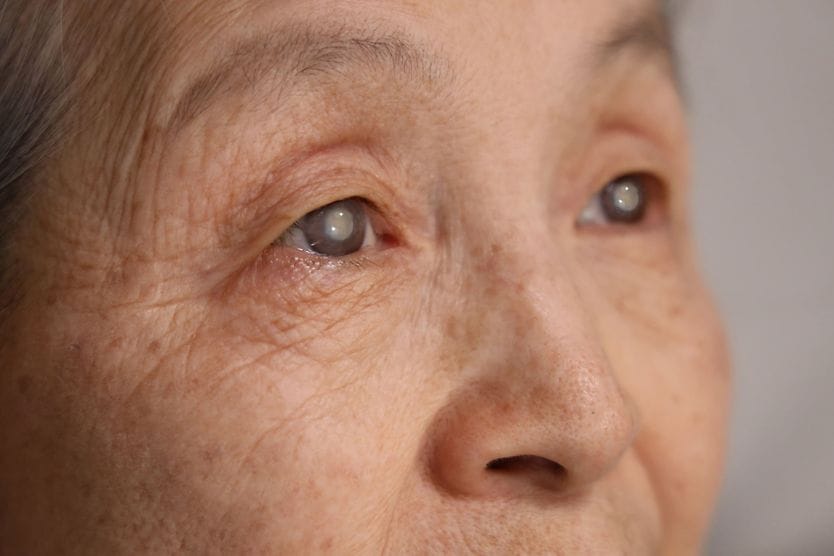
Cataracts are a clouding of the eye’s natural lens. The lens helps focus light toward the back of the eye. It’s normally clear. Cataracts stop light from passing through the lens, which affects your vision. Symptoms of cataracts can include:
- Blurry vision
- Double vision
- Halos that surround lights
- Lights that are uncomfortably bright
- Colors that are faded or tinted (cataracts can sometimes cause a yellow or brown tint)
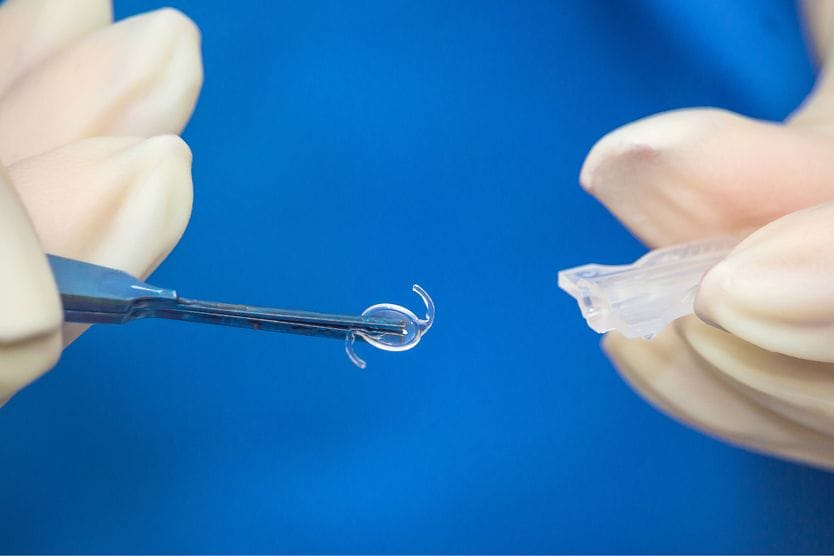
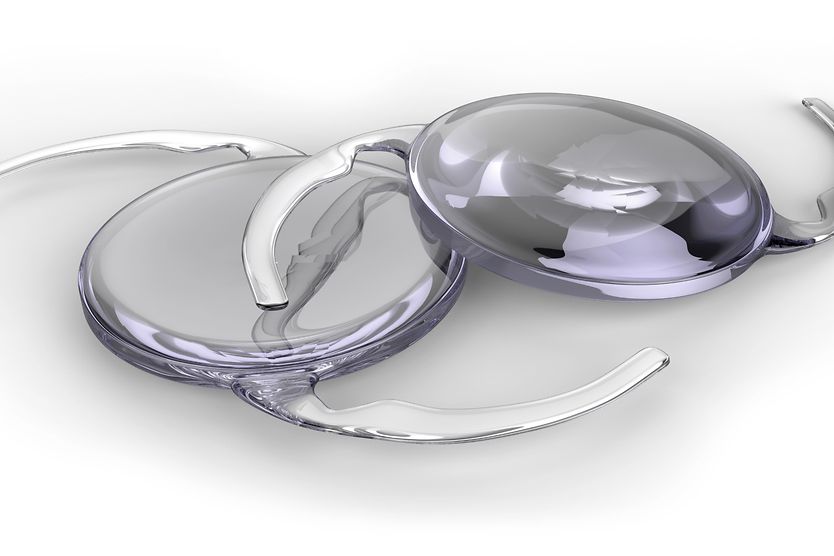
Surgery is the only way to remove cataracts and restore vision. Cataract surgery involves removing your natural lens and replacing it with a new artificial lens called an intraocular lens (IOL). The new IOL will be clear, which lets light pass through normally. The lens usually has a focusing power to help correct a vision problem, like nearsightedness or farsightedness.
Cataract surgery is a very successful procedure. It improves vision in close to 95% of cases, helping people get sharper vision, see colors better and return to daily activities.
READ MORE: Everything you need to know about cataract surgery
What factors affect the total cost of cataract surgery?
There are many individual factors that affect the out-of-pocket cost of cataract surgery. These can be related to the type of surgery, facility and IOL, among others.
Type of surgery
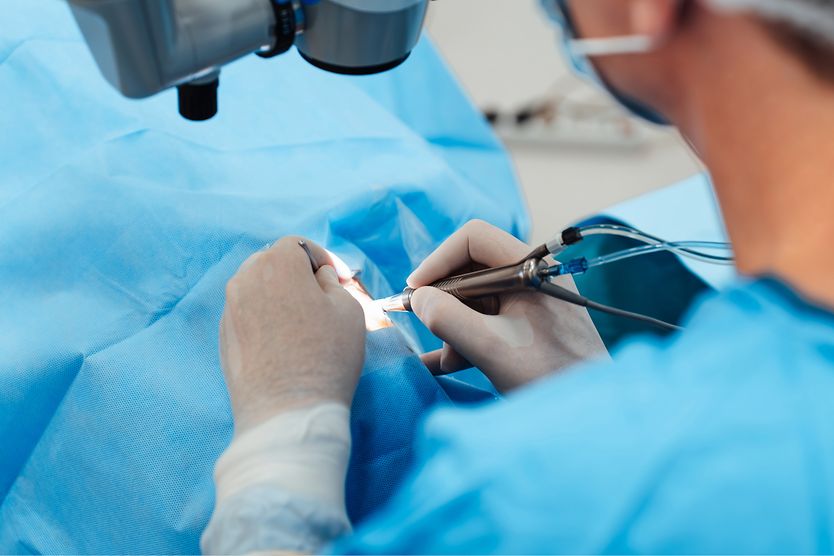
The most common method for removing a lens is phacoemulsification. This technique, commonly called “phaco,” uses ultrasound waves to break down the lens, which can then be taken out via suction.
Breaking down the old lens can also be performed with laser cataract surgery. Femtosecond lasers can perform some steps of the surgery — such as creating incisions and softening the lens — but phacoemulsification is still typically used to remove the lens material.
More common internationally or in complex cataract cases, the lens can also be extracted manually through an incision in the eye. These methods are called manual extracapsular cataract extraction (which requires a larger incision) or manual small incision cataract surgery (which requires a special type of incision that can seal itself without sutures).
Manual small incision cataract surgery is considered to be cost-effective. With this method, the cataract is removed with a manual technique, sometimes with the use of fluid irrigation. This approach is generally shorter, does not require as much technology and has lower costs.
Lens type and technology
There are many types of IOLs available. Some can improve a refractive error, a common eye problem that affects the way light focuses inside your eye.
The most common type of IOL is the monofocal lens, which is set to correct vision at one distance. Other types may include:
- Multifocal IOL – This lens contains multiple corrections built into different zones to correct vision at multiple distances.
- Extended depth-of-focus (EDOF) IOL – This lens has one expanded corrective zone to help with both intermediate and distance vision.
- Accommodative IOL – This lens can move with your eye muscle to correct vision at all distances. When the muscles in the human eye move to focus on a near object, this is called accommodation. It’s something the human eye can do naturally, and new accommodative IOLs continue to be introduced that may provide enhanced visual outcomes. Results can vary.
- Toric IOL – This lens offers extra corrections for astigmatism (blurred or distorted vision at all distances). Eyes with astigmatism have an irregularly shaped cornea or lens, which leads to the distortion in the first place.
- Light-adjustable lenses (LALs) – This lens is the only type of IOL that can be adjusted after surgery. The adjustments can compensate for any remaining refractive error.
Insurance, including Medicare, will generally cover monofocal IOLs. However, other types can be considered premium IOLs and may not be covered by insurance.
One eye vs. both eyes
If you need cataracts removed from both eyes, they will likely be two separate procedures. The surgeries could take place anywhere from a week to a month apart. The procedures are priced per eye, so two procedures will cost more than one.
Some ophthalmologists now perform cataract surgery in a surgical suite at their own office instead of at a hospital or ambulatory surgery center (ASC). This is known as office-based surgery (OBS), and about 6% of US cataract surgeons offered the option in 2025.
Safety data have been favorable. A large review of more than 21,000 office-based cataract surgeries at Kaiser Permanente Colorado reported visual outcomes and complication rates comparable to those in traditional surgery centers.
Office-based surgery may cost less because there's no separate facility fee, but coverage rules vary. Medicare does not currently pay a national facility fee for cataract surgery performed in an office setting, and private insurers may differ. If you're considering this option, ask your eye doctor about the suite's accreditation, the anesthesia plan and how your insurance will handle the claim.
READ FURTHER: Can cataract surgery be performed on both eyes at the same time?
Surgeon experience and facility type
Cataract surgery can be performed in an outpatient surgery center, a hospital or a doctor’s office. It’s normally an outpatient procedure, so you won’t need to stay overnight. But the type of facility may affect the costs or what your insurance covers (hospitals will typically cost more).
Depending on the complexity of the case, a surgeon with more experience or training may need to treat you. Their expertise will also influence the cost.
Location and local market costs
Where you live may also affect the overall cost. Geographic location may influence how much the facility charges. It can also influence market prices for things needed to do cataract surgery, like surgical supplies and pharmaceuticals.
Insurance coverage
Insurance will generally cover cataract surgery, but there may be certain requirements — like having a certain result on a vision test. The key factor is whether the surgery is determined to be medically necessary. Among other things, this could mean that:
- The problems with vision are due to the cataract and not another eye condition.
- The problems with vision make it hard to do daily activities (like reading or driving).
- The problems with vision cannot be fixed with new glasses or contacts.
Cataract surgery costs with private insurance
Cataract surgery is usually covered by private health insurance. You may be responsible for copayment or deductible costs, or if you choose a premium lens instead of a standard one. But, if it is deemed medically necessary, most major insurance companies should cover a significant portion of it.
Specific costs will also depend on whether your provider is in-network, copay requirements and other factors related to your specific plan. It is suggested to check with your insurance provider to understand what expenses are covered and which ones you’ll be responsible for.
READ MORE: Insurance coverage for cataract surgery
Cataract surgery costs with Medicare
Medicare is split into multiple parts, depending on what it covers. Part B covers outpatient procedures and other services. Medicare Part B covers standard cataract surgery with placement of a standard lens as long as it is deemed medically necessary.
Medicare generally pays 80% of the cost of cataract surgery, as long as you’ve met your deductible for that year. However, Medicare determines this as a preset amount called the Medicare-approved amount. If the overall cost of the surgery goes over that approved amount, you will likely have to pay the extra charge.
Although there may be other expenses (like a copayment, facility fee or if you choose a premium lens), what you pay for standard cataract surgery under Medicare can be less than $600 per eye.
READ MORE: Medicare coverage for cataract surgery
Out-of-pocket costs for premium IOL upgrades
Premium IOLs — including toric, multifocal, extended depth-of-focus, accommodative, and light-adjustable lenses — fall outside both Medicare and most private insurance coverage. Under Medicare and Medicaid rules, insurers pay for the standard monofocal lens portion of the procedure. Patients are responsible for the additional cost of the premium lens and related services.
These out-of-pocket fees vary by practice and lens type, with published additional cost estimates commonly falling between approximately $1,000 to $2,500 per eye for toric IOLs and $2,000 to $3,500 per eye for presbyopia-correcting IOLs. Laser-assisted cataract surgery may add roughly $800 to $1,500 per eye when chosen alongside a premium lens.
Paying for cataract surgery without insurance
The total cost (facility and outpatient fees) of cataract surgery can vary without insurance depending on where you live in the United States. Standard cataract surgery can begin around $3,000 per eye. If you decide to upgrade to a premium lens, the price may start at $6,000 per eye.
If your surgery will not be covered by insurance, your eye doctor may be able to offer you a payment plan. Certain facilities and doctor’s offices may offer financing plans. Special health credit cards might also be available — it is recommended to review the terms carefully.
Cost-related questions to ask before cataract surgery
Consider consulting with your ophthalmologist and optometrist before cataract surgery. They can help you understand the procedure, how much your cataract surgery will cost and options for payment. Some good questions to ask are:
- Whether your insurance provider will need to determine if surgery is medically necessary
- Whether the surgeon/facility is in-network for your coverage
- Whether insurance will cover prescription eyeglasses following surgery
It’s important to verify specific Medicare or private insurance coverage, too. If your doctor recommends a service, ask them about that recommendation and whether it’s covered or not.
READ NEXT: Quick guide to cataract surgery recovery