Eye protection for sports: How to choose sports goggles

Not long ago, athletes rarely wore eyewear specifically designed to protect their eyes during sports, and sports-related eye injuries were widespread.
Today, sports eyewear is commonly seen among people who play a variety of sports, including those involving equipment such as balls, bats, racquets and sticks.
Fortunately, many coaches, parents and players now realize that wearing protective eyewear for sports is beneficial in several ways. The risk of eye damage can be reduced with eye protection. On a positive note, a player's ability to see more clearly may potentially be enhanced with the use of sports eyewear. In fact, many athletic and fitness clubs today do not permit their members to participate without wearing proper eye gear.
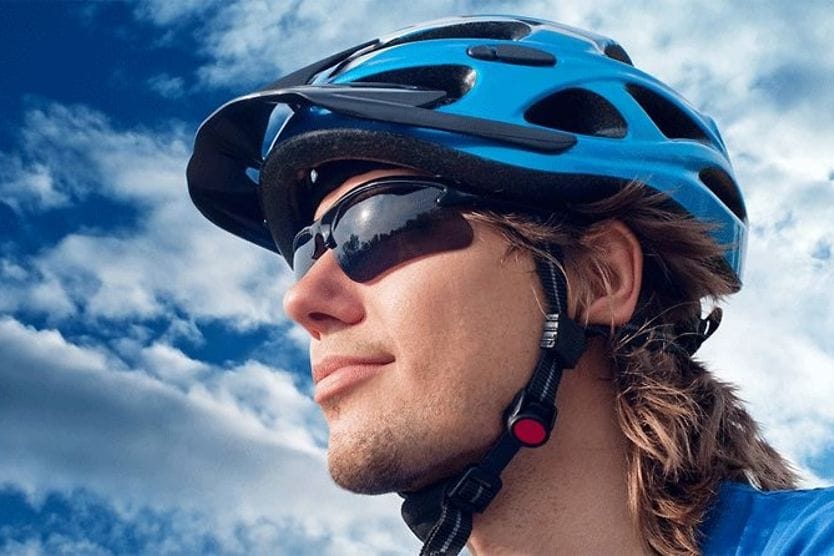
Initially, there was some resistance by children to "looking funny" when they wore protective eyewear. Today, sports goggles are often an accepted part of everyday life, much the way bike helmets have become the norm.
If you're not wearing protective eyewear, consider this...
It has been reported that hospital emergency rooms treat more than 30,000 eye injuries every year that are sports-related. Even non-contact sports such as badminton can present inherent dangers to the eyes.
Any sport in which balls, racquets or flying objects are present can pose a potential for eye injury.
Sports such as racquetball, tennis and badminton may seem relatively harmless, but they involve objects moving at 60 miles per hour or faster. During a typical game, a racquetball can travel between 60 and 200 miles per hour.
Another potential danger is that the racquets themselves move at high speed in a confined space and could strike a player in the face or eye.
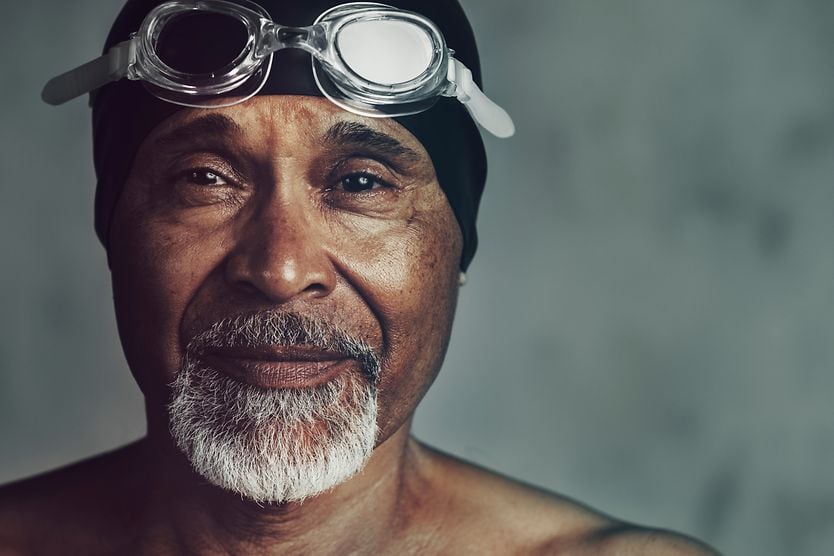
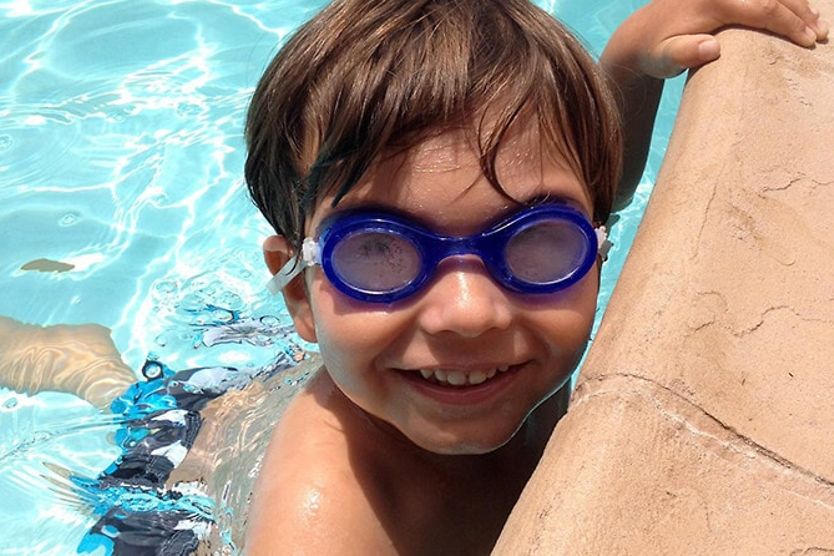
Flying objects aren't the only hazard. Many eye injuries come from pokes and jabs by fingers and elbows, particularly in games where players are in close contact with each other. Basketball, for example, has an extremely high rate of eye injury. So does swimming, where no flying objects are involved.
These are important reasons to wear protective eyewear. Enhancing performance is another important aspect of vision correction. It used to be common for people with mild to moderate prescriptions to simply participate in sports without wearing their eyeglasses or contact lenses. Coaches and players soon recognized that clear, sharp vision is a vital ingredient in sports performance.
Features To Look For In Protective Sports Eyewear
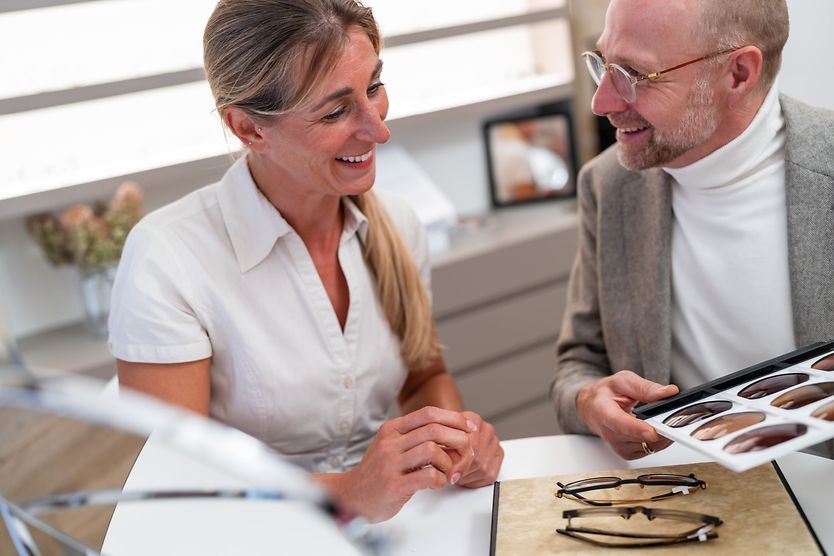
Prescription eyeglasses, sunglasses and even on-the-job industrial safety glasses typically do not provide adequate protection for sports use.
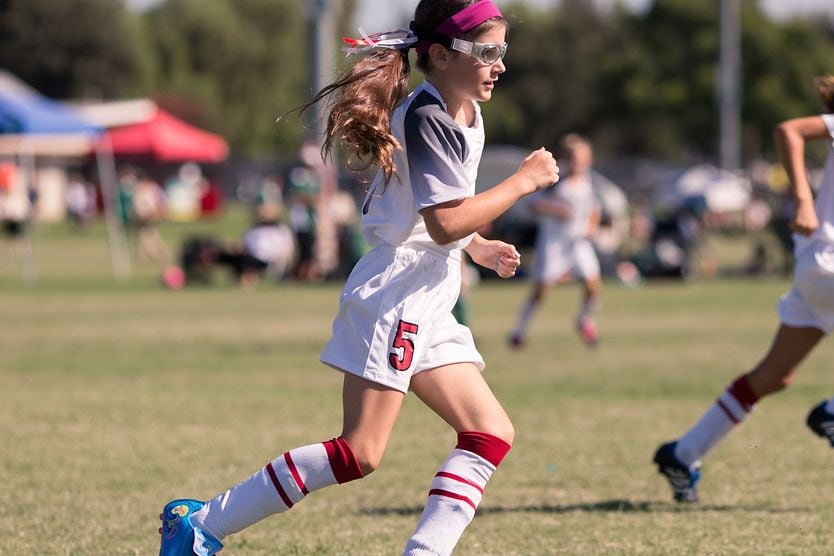
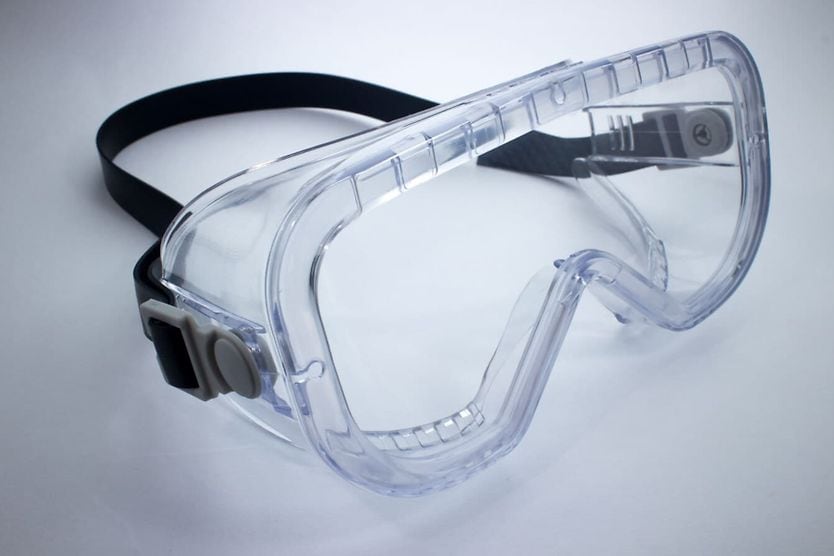
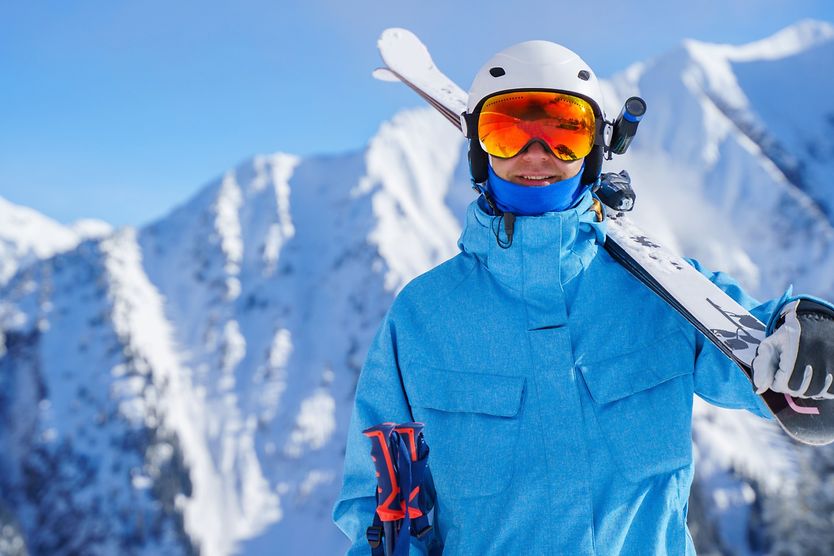
Sports goggles are made in a variety of shapes and sizes. Many are designed for racquet sports and are available for basketball and soccer. Some are even designed to fit in helmets used for American football, hockey and baseball. Sports goggles should allow the use of helmets when the sport calls for it.
Lenses in sports eyewear are usually made of polycarbonate. Since polycarbonate is an impact-resistant lens material, it can help protect the eyes from fast-moving objects. Polycarbonate also has built-in ultraviolet protection — a valuable feature for outdoor sports.
Untreated polycarbonate lenses, however, can easily become scratched. For this reason, virtually all polycarbonate lenses for eyeglasses and sports eyewear include a scratch-resistant coating on both the front and back surface for added durability.
Polycarbonate is often the material of choice for sports lenses, but the eyewear frame plays an important role, too. Further, different sports require different types of frames, which has led to the development of sport-specific frames.
Many sport frames can accommodate both prescription and nonprescription lenses. Sport frames are commonly constructed of highly impact-resistant plastic or polycarbonate, and many come with rubber padding to cushion the frame where it comes in contact with the head or the nose area.
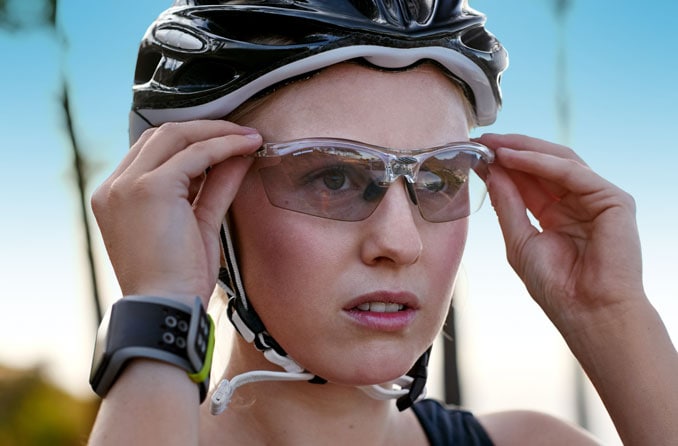
Some sports styles are contoured, wrapping slightly around the face. This type of goggle can work well for activities such as biking, hang-gliding and sailing. Contact lens wearers may especially benefit from the wraparound style, as it helps keep out wind and dust.
Find out which eyewear can be ideal for your chosen sport in our Guide to choosing sports eyewear.
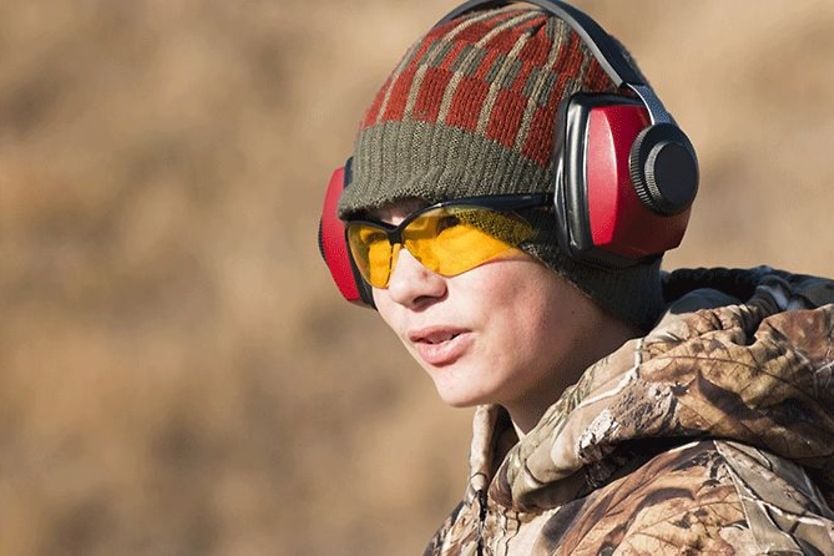
SEE RELATED: Prescription shooting glasses
Eye protection for handball and paintball
At one time, handball goggles for those with no need for vision correction were simply goggles with small openings in place of lenses.
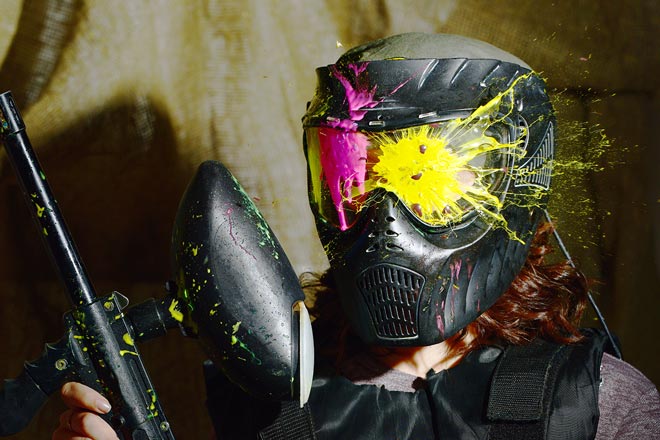
It is very important to keep your helmet on during paintball games, to prevent a ruptured eyeball, detached retina or even loss of an eye.
It was eventually recognized that the high speed of handballs compressed the ball enough to protrude through the opening and potentially cause serious eye damage. The use of handball goggles without lenses is strongly discouraged.
Paintball players also are at extreme risk of devastating eye injuries if they fail to wear full facial protection.
A study found that among 36 people who suffered eye injuries from high-velocity paintballs, the more common finding was bleeding inside the eye (hyphema), which occurred in 81% of the injured eyes. A total of 9 eyes (25%) required emergency surgery to repair a ruptured eyeball. Ultimately, 29 eyes (81%) needed surgical intervention, with retinal detachment occurring in 19% of the eyes and removal of the eye enucleation required in 22% of the cases.
Final visual acuity was 20/40 or sharper in only 36% of the injured eyes, and 18 eyes (50%) had permanent vision loss that was below 20/200.
The study authors said that 97% of the paintball eye injuries could have been prevented with the proper use of protective eyewear.
Important fitting considerations for children
Sport goggles must be properly fit to the individual wearer. This is particularly important with children, because the normal temptation is to purchase a larger goggle than is needed so the youngster has "room to grow."
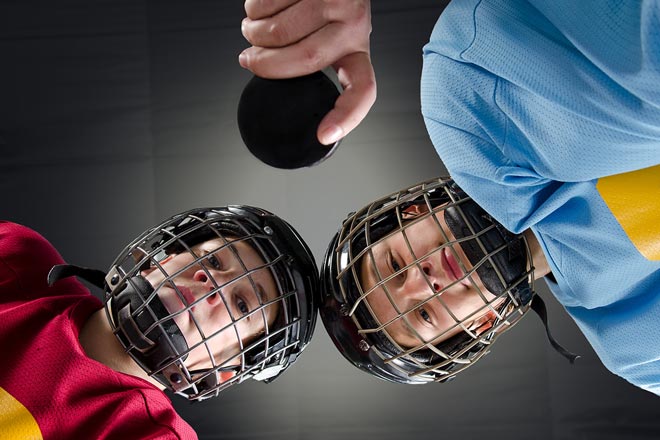
Never let your child play hockey without wearing a face mask. Hockey pucks are very dense and hard, and when one hits an eye at high speed, it can potentially cause vision loss and even blindness.
Some growing room is acceptable, and sports goggles are commonly made to be somewhat flexible in their width adjustment. But if the frames are too large and don't fit properly, the amount of protection they provide can be compromised, increasing the risk of eye injury. It's a risk not worth taking.
By the same token, permitting a youngster to continue wearing goggles that he or she has outgrown can be just as dangerous.
First, the frames may be uncomfortable, tempting the child to leave them off. Secondly, the frames can obstruct their peripheral vision, potentially leading to poor performance and a greater risk of being hit by a ball or other unseen object from one side or the other.
Review the fit of your child's sport goggles each year to ensure that they are still providing proper protection. Make sure the padding inside the sides of the goggle rests flush with the face and the eyes are centered both horizontally and vertically in the lens area.