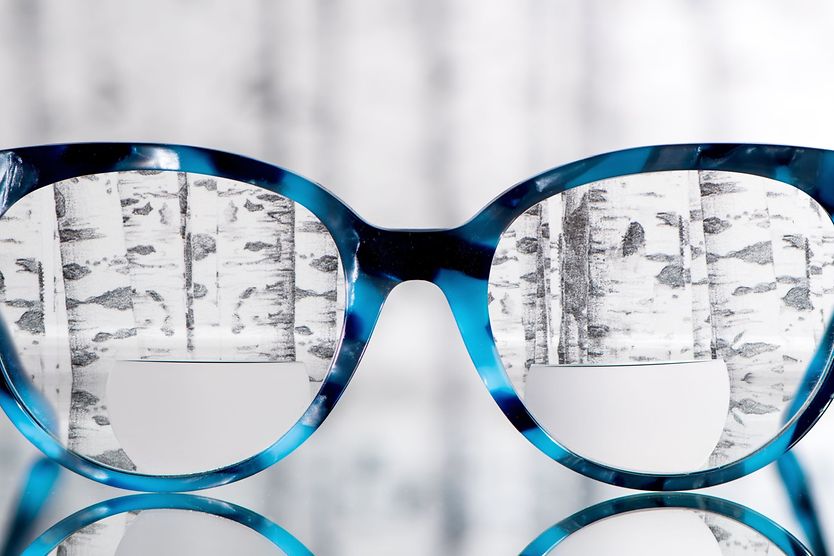
What are photochromic lenses and how do they work?
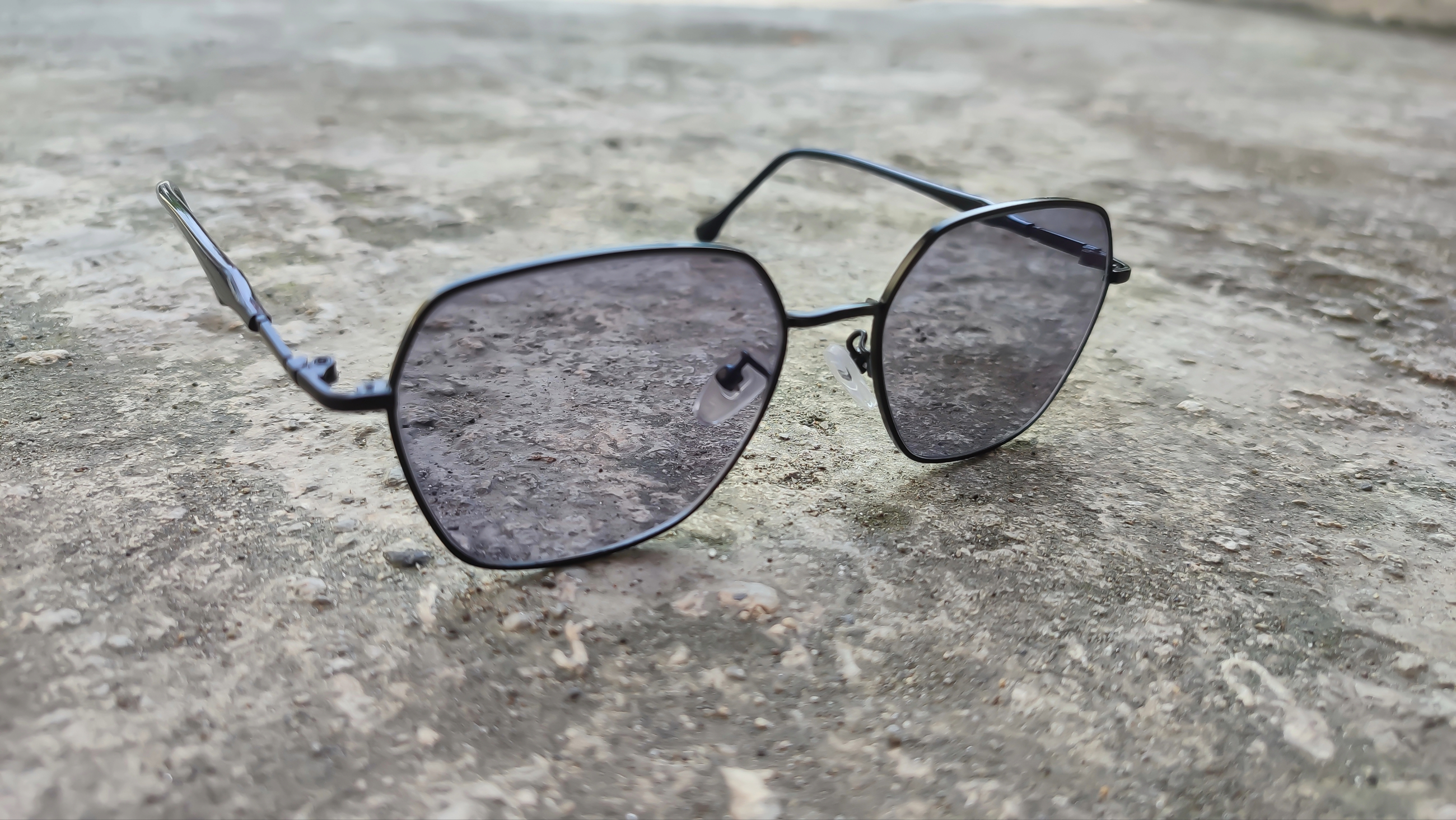

What are photochromic lenses?
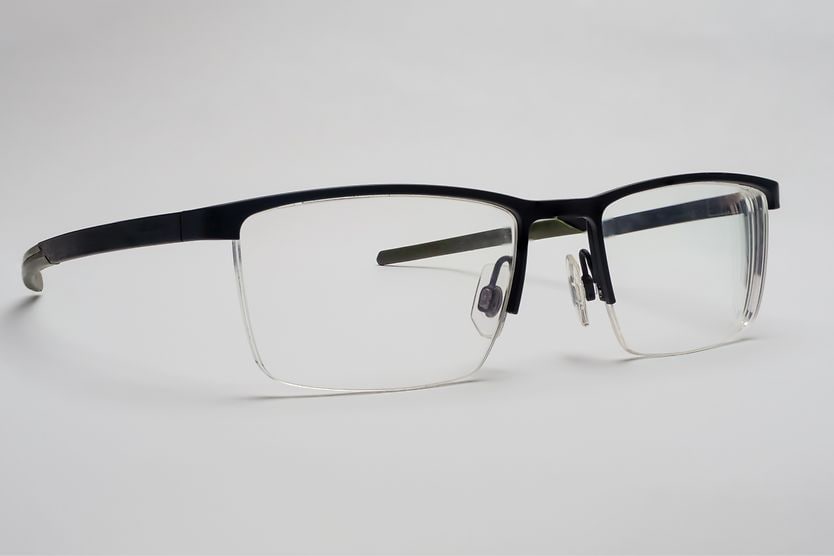
Photochromic lenses are eyeglass lenses that are clear (or nearly clear) indoors and darken automatically when exposed to sunlight. Other terms sometimes used for photochromic lenses include "light-adaptive lenses," "light-responsive lenses" and "variable tint lenses."
Some people refer to photochromic lenses as "transition lenses."
How photochromic lenses work
Photochromic lenses work based on the scientific principle of photochromism. This involves a reversible molecular change triggered by light exposure.
The first photochromic lenses contained silver halide or silver chloride. These are chemicals that cause the lens to darken when exposed to the sun’s ultraviolet (UV) radiation. Modern lenses are made with dyes containing molecules that cause the lens to darken when activated by the sun's UV rays.
Because UV rays penetrate clouds, photochromic lenses will darken on overcast days, as well as sunny days.
Traditional photochromic lenses may not darken inside a vehicle because the windshield glass blocks some UV rays. Recent advancements in technology allow some photochromic lenses to activate with both UV and visible light, providing some darkening behind the windshield.
Benefits of photochromic lenses
Photochromic lenses can be used by both adults and children. Some of their key advantages include:
Convenience
Light-adaptive lenses typically cost more than standard eyeglass lenses. However, they reduce the need to carry a pair of prescription sunglasses with you everywhere you go.
Visual comfort
They can improve your visual comfort and help reduce eye strain when transitioning between indoor and outdoor environments. But since they may not provide the same level of darkness as some sunglass lenses, certain scenarios may still call for a pair of sunglasses.
UV protection
A significant benefit of photochromic lenses is that they help protect your eyes from 100% of the sun's UVA and UVB rays. Proper UV protection in eyewear is important, as UV radiation may increase the risk of certain eye diseases.
Longevity
Photochromic lenses often maintain their performance over time, which can prevent them from wearing out too quickly. This feature allows some people to keep their glasses longer than average, provided there are no changes to their prescription or eyewear needs.
Photochromic lens technology and features
Light-responsive lenses are available in a variety of lens materials, types, tints and other features.
Lens materials
Glass photochromic lenses were first mass-produced in the 1960s. Since then, manufacturers have continued to offer glass options while expanding the technology into lighter materials. Some of these include:
- CR-39 plastic – A standard plastic material commonly used in optical lenses.
- Polycarbonate – A lightweight, impact-resistant material often ideal for children and active adults. In fact, polycarbonate is one of the safest lens materials for kids, providing up to 10 times the impact resistance of other lens materials.
- High-index plastic – Can be used to create thinner lenses for stronger prescriptions.
Lens types
Photochromic lenses are suitable for a range of vision correction needs. For instance, they can be worn by people who use:
- Single vision lenses – Contain the same prescription power across the entire lens.
- Bifocal lenses – Contain two prescription powers within each lens. The bottom portion of the lens is used for near vision, while the top is used for distance vision. These zones are typically separated by a visible line.
- Progressive lenses – Contain multiple prescription powers within each lens. These lenses provide a smooth, line-free transition between viewing zones used for near, intermediate and distance vision.
Lens treatments
Many manufacturers offer various lens treatments and tints to further customize and enhance the performance of photochromic lenses. While this may vary by brand, some of these options include:
- Anti-reflective coating – Allows more light to pass through the lens for sharper vision in low-light conditions (such as driving at night). It reduces bothersome reflections of sunlight and other light from the backside of the lenses in bright conditions.
- Scratch-resistance coating – Helps protect the surface of the lens against scratches. This is especially useful for lens materials that are more prone to this type of damage.
- Polarization – Reduces glare from reflective surfaces, such as water, concrete, sand and snow. This can improve visual comfort during a range of outdoor activities.
Lens tints
Light-adjustable lenses are available in a wide range of lens tints (colors). Some of the more common options include:
- Gray
- Brown
- Green
- Blue
- Mirrored
Activation speed and performance
The rate at which light-adaptive lenses darken and become clear again varies based on factors, such as:
- Lens design
- Manufacturer
- Environment
- Temperature
- Lighting conditions
While the lenses can fully darken in around 30 to 60 seconds (for some products), it may take about two to three minutes for them to transition back to clear under normal conditions.
In colder temperatures, photochromic lenses tend to darken more intensely but take longer to fade back to clear.
Other features
In addition to basic light-adaptation, some photochromic lenses include advanced features designed to improve their performance in different lighting conditions and environments. These features address factors, such as:
- Visual comfort – Some lenses have a slight tint indoors for visual comfort under harsh lighting and provide a darker lens for driving or outdoor use.
- Consistent performance – Some lenses are designed to darken and fade consistently across a range of environments.
Photochromic lenses and blue light
Besides reducing your risk of UV exposure outdoors, some photochromic lenses help filter blue-violet light*.
Many digital displays emit blue light. But it’s important to note that the majority of blue light exposure is from sunlight, even indoors. Decreasing exposure to blue light can potentially improve visual comfort, especially for people who spend prolonged periods of time using digital devices.
Photochromic sunglasses
Photochromic sunglasses function with the same light-adaptive technology as regular photochromic lenses. However, those intended for use as sunglasses often include features, such as polarization or darker tints. They may not be as clear indoors as other photochromic lenses, and therefore, may not be ideal for indoor use. But they may provide extra comfort in bright sunlight and when driving during the day.
In fact, some photochromic sunglasses are designed specifically for driving. They adapt to changing light conditions and can enhance contrast when worn inside a vehicle.
Photochromic lenses offer a range of unique benefits and can be ideal for people of all ages. Visit your eye care professional to discuss your vision needs and determine the lens option right for you.
*Blue-violet light is between 400 and 455nm as stated by ISO TR 20772-2018.