Eyeglasses have long been more than a tool for vision correction — they are a form of personal expression. From political leaders to pop culture icons, many well-known women have made their frames as recognizable as their achievements.
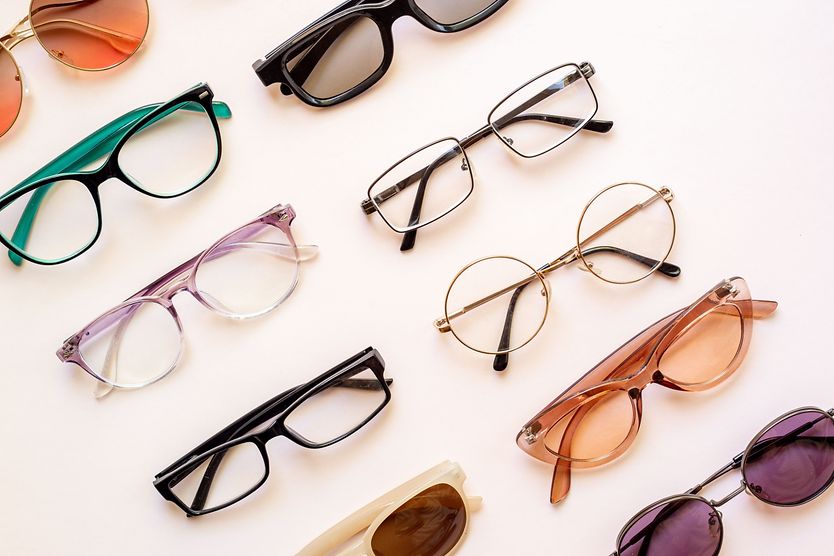
The history of women's eyewear is itself a study in evolution. Early designs like the pince-nez (a French term meaning "pinched nose") clamped directly onto the bridge of the nose without arms, and the lorgnette required the wearer to hold a single handle up to the eyes. Neither was designed with long-term comfort in mind. Today's frames are lighter, more versatile, and available in virtually every shape, material and color.
Here are some of the women who helped turn eyeglasses into a defining part of their personal style.
Basic black eyeglass wearers
Actress, director and photographer Diane Keaton built a wardrobe around a restrained palette of black, white and ivory — and her eyewear followed suit. Most often seen in dark rectangular frames, she also occasionally opted for bronze-toned wire squovals.
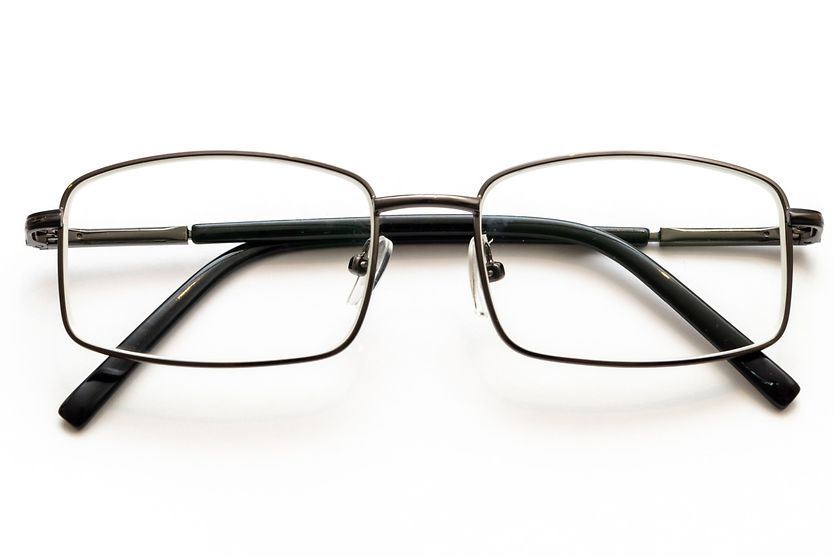
Supreme Court Justice Ruth Bader Ginsburg also favored dark rectangular frames and wire-rim squovals throughout her career on the bench. Though their shared taste in eyewear was coincidental, both women demonstrated how a simple, structured frame can become part of a recognizable public image.
Round frames that make the woman
Interior designer-turned-fashion icon Iris Apfel became almost inseparable from her oversized round black frames. The bold, large-scale shape became a visual signature that was as well-known as her design work.
Pastry artist Sylvia Weinstock wore similarly large round frames, though she was known to note that the resemblance to Apfel's look was unintentional.
For anyone drawn to this look, oversized round frames tend to work well on square and angular face shapes, where the curved lines of the frame create a complementary contrast.
INSPIRED YET? Find an optical store near you and start shopping.
Joplin’s wire-rim glasses, Winehouse’s red frames
Singer Janis Joplin was rarely seen without her oversized round wire-rim glasses — often called "granny glasses" — which became as much a part of her visual identity as her untamed curls and layered jewelry.
Amy Winehouse, known for her signature beehive hairstyle and dramatic eyeliner, typically wore dark rectangular frames. She occasionally swapped them for red ones, adding a flash of color to an otherwise monochromatic look.
Both musicians demonstrated how eyewear can reinforce a personal aesthetic, even in settings far removed from fashion runways.
Bright colors stand out from the crowd
British designer Dame Vivienne Westwood was known for eyewear choices as unexpected as her collections. She wore pink rectangular frames, white acetate ovals and other bold selections that reflected her broader approach to personal style.
Artist Judy Chicago has long favored richly colored frames — burgundy half-wire styles and deep blue acetate rectangles — that are as vivid as her paintings.
Singer Lady Gaga has treated eyewear as a form of performance art, incorporating unconventional and theatrical frames into her music videos and public appearances.
For those inspired by colorful frames, rich jewel tones such as burgundy, emerald and cobalt can add dimension to both neutral and warm skin tones without overwhelming the face.
Cat eyes can be seriously catty
Shirley Chisholm, the first Black woman elected to the U.S. Congress, served seven terms while wearing understated, angular cat-eye frames. Her glasses projected seriousness and authority — a deliberate counterpoint to the decorative cat-eye styles popular at the time.
Marilyn Monroe played with the contrast between glamour and intellect by wearing cat-eye frames both on and off-screen. Her portrayal helped cement cat-eye glasses as a playful yet polished style choice.
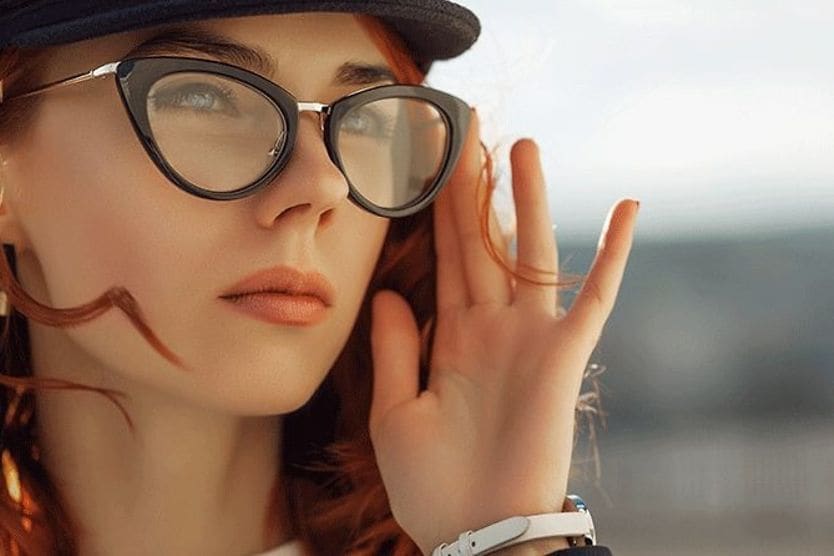
Cat-eye frames remain one of the most enduringly popular shapes in women's eyewear. They tend to be particularly flattering on round and oval face shapes, where the upswept corners add definition and lift.
Wire rims as a unifying force
First Lady Eleanor Roosevelt wore metal-rimmed glasses and wire-frame styles primarily for work, including her widely read magazine advice column. Her eyewear reflected the practical sensibility of an era shaped by the Great Depression and World War II.
The lorgnette of Charlotte Bronte, author of Jane Eyre (1847), speaks to the limited eyewear options available to women in the mid-19th century. By 1869, Little Women author Louisa May Alcott had adopted wire-rim glasses with arms — a notable step forward in comfort and usability.
Wire-rim frames continue to be a popular choice for their lightweight feel, minimalist appearance and versatility across face shapes.
Squovals and see-through styles
Lucille Ball adopted red-rimmed squoval frames later in her career, and the shape became closely associated with her public persona.
Hotel heiress and media personality Paris Hilton has long favored oversized acrylic frames, a look that has remained consistent throughout her time in the public eye.
Squoval frames — a hybrid of square and oval — offer a versatile silhouette that suits a wide range of face shapes. Their slightly rounded corners soften angular features while still providing structure.
Rectangle frames are anything but square
Singer Lisa Loeb helped popularize narrow horn-rimmed rectangular frames in the 1990s, and the style has remained part of her signature look. She has since developed her own eyewear collection inspired by that retro aesthetic.
Rectangular frames are a strong choice for round or oval face shapes, where the angular lines of the frame add contrast and definition.
A siren song for oversized frames
Sophia Loren has favored oversized rose-gold wire-rim frames with decorative temple details for much of her career. Her consistent preference for this style illustrates how a signature frame can become part of one's personal identity.
Oversized frames can provide broader peripheral coverage and make a strong style statement. They tend to be most flattering on medium to larger face shapes, where they remain proportional to the wearer's features.
READ NEXT: What famous people have myopia (nearsightedness)?