A licensed optician is an eye care professional who has been trained to design, provide and “fit” corrective lenses (glasses or contacts) for eye care patients using prescriptions provided by their eye doctors. Many opticians are primarily involved with the customer service portion of an eye care practice or retail setting, though some may work in various medical settings as well.
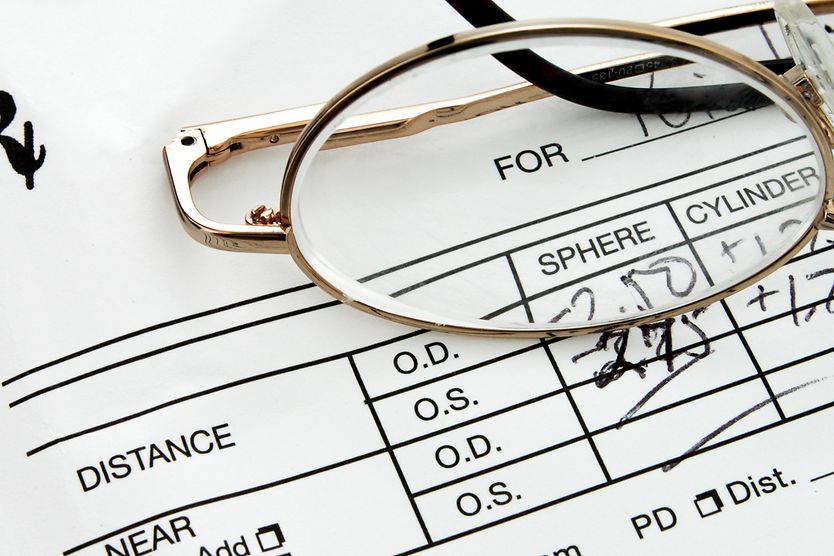
Unlike an ophthalmologist or optometrist, an optician does not write prescriptions or diagnose eye conditions. They do, however, use the prescriptions provided by an ophthalmologist or optometrist to help fit a patient for corrective lenses including eyeglasses and contact lenses.
What does an optician do?
The responsibilities of an optician primarily revolve around making sure a patient is fit with the proper eyewear, including recommending styles and features, taking measurements and providing other types of customer service.
More specific duties of an optician include:
- Ensuring prescriptions are a match to eyeglasses, prescription sunglasses and contact lenses
- Using special equipment to measure factors such as patients’ pupillary distance, vertex distance, eye size and temple length
- Maintaining records of patient purchases and payments
- Submitting vision insurance information for patients and advising them on what their plan will cover for eyewear
- Advising patients on eyewear features such as lens coatings and frame styles to fit their individual needs, preferences and personal style
- Selling additional retail for eyewear and eyewear accessories
When to see an optician
You will likely visit an optician following an eye care appointment with an eye doctor. Your optician can assist you in choosing a new pair of glasses, prescription sunglasses and/or contact lenses, as well as scheduling future appointments to update your prescription, etc.
Optician vs. optometrist
Opticians and optometrists work together to provide patients with eyeglasses that fit well and provide the vision correction they need.
The primary difference between an optician and an optometrist is that an optician helps a patient get fitted for glasses, frames and contact lenses, while an optometrist performs comprehensive eye exams, diagnoses and treats eye and vision conditions, and writes the prescriptions for the corrective eyewear.
Though their responsibilities differ, opticians, optometrists and ophthalmologists all play important roles in providing eye care.
READ MORE: Optometrist vs. ophthalmologist