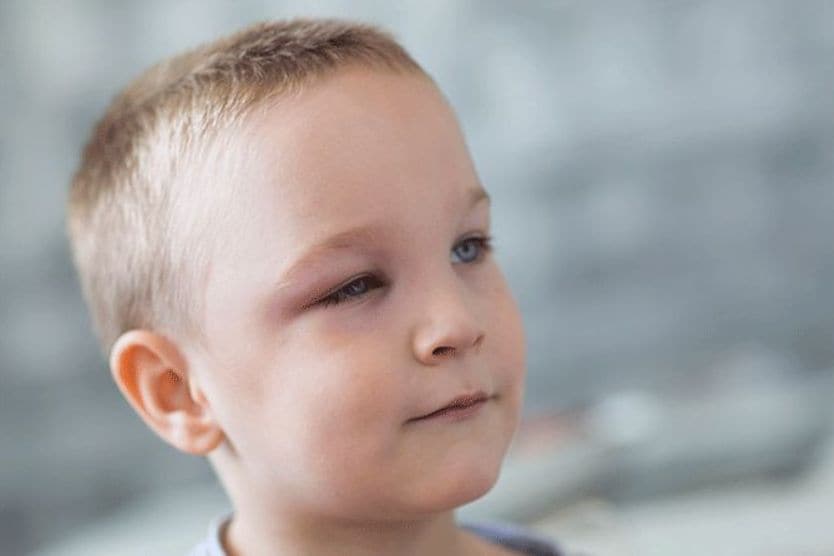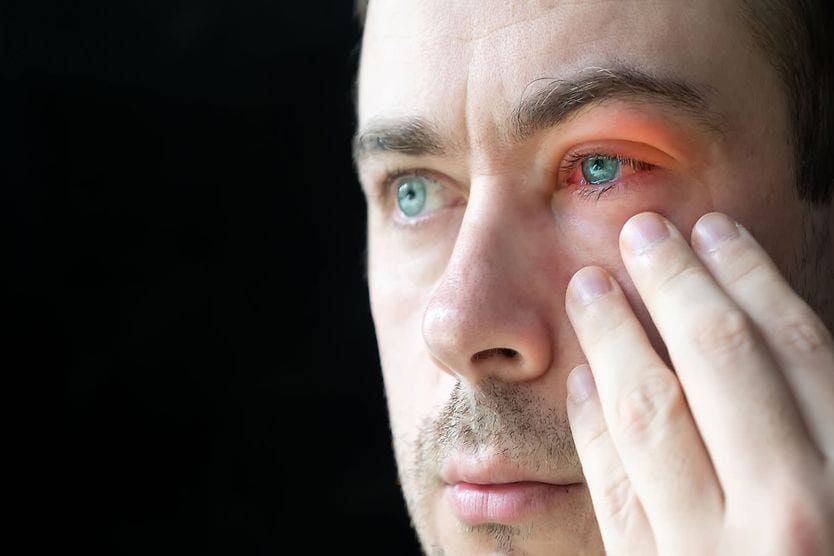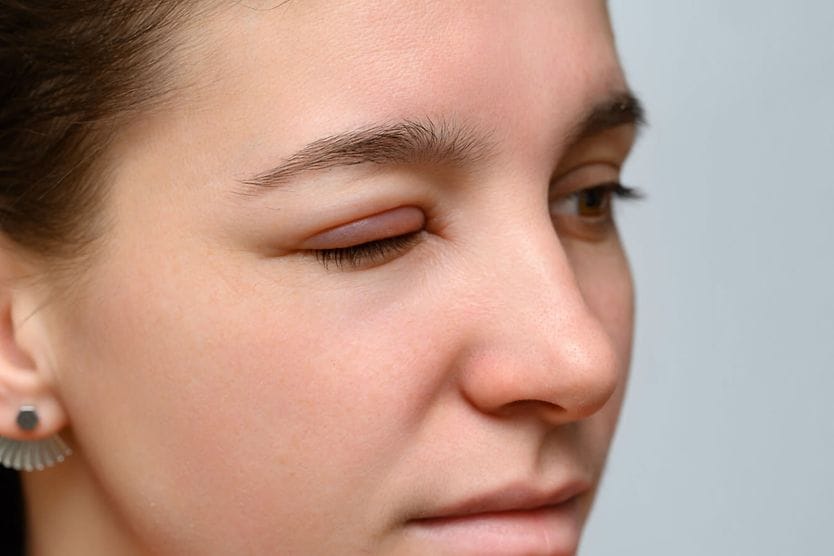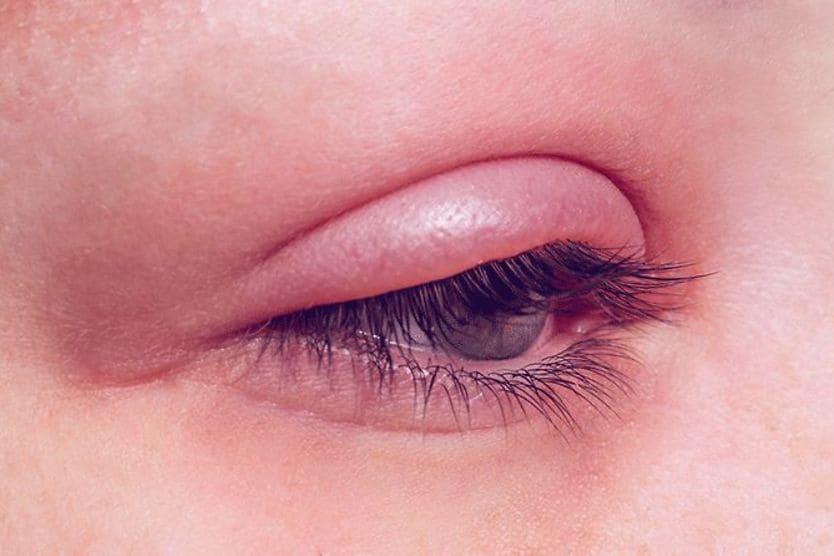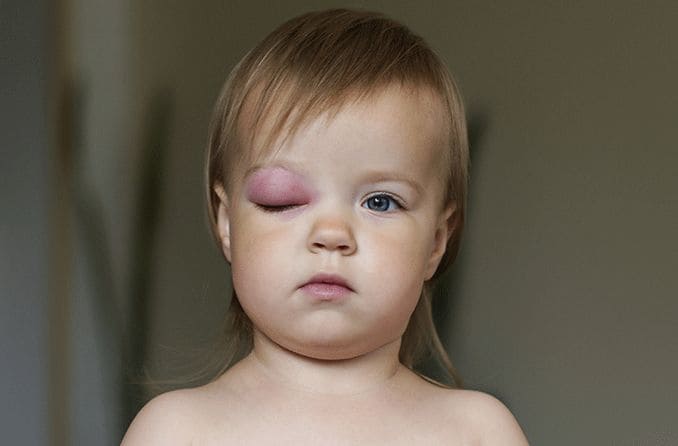
Periorbital cellulitis is an infection of the eyelid or of the skin around the eye. It commonly affects children under five years of age, though sometimes adults can suffer from it as well. Symptoms include redness, tenderness and swelling around the eye. The condition needs to be diagnosed and treated promptly by an eye doctor to make sure it is not a different and more serious condition, orbital cellulitis, and to reduce the risk of complications. Periorbital cellulitis is not contagious.
Periorbital cellulitis symptoms
Both children and adults have similar symptoms, although children’s symptoms can be more dramatic and a bit more severe. The symptoms usually occur around one eye only. Here are some typical symptoms of periorbital cellulitis:
- Pain and tenderness in or around the eye.
- Swelling of the eyelid and the soft tissue surrounding the eye.
- Soreness and tenderness in the nose area.
- Redness and irritation around the eye and on the white of the eye.
- A break in the skin through a cut, scratch or perhaps an insect bite near the eye.
- Possibly a small bump on the eyelid called a stye or chalazion.
- A fever (a temperature over 100 degrees).
A study found that children under five were more likely to have had a localized infection (such as pink eye) before developing periorbital cellulitis. Older children were more likely to have had a cut, scratch or other injury prior to showing symptoms.
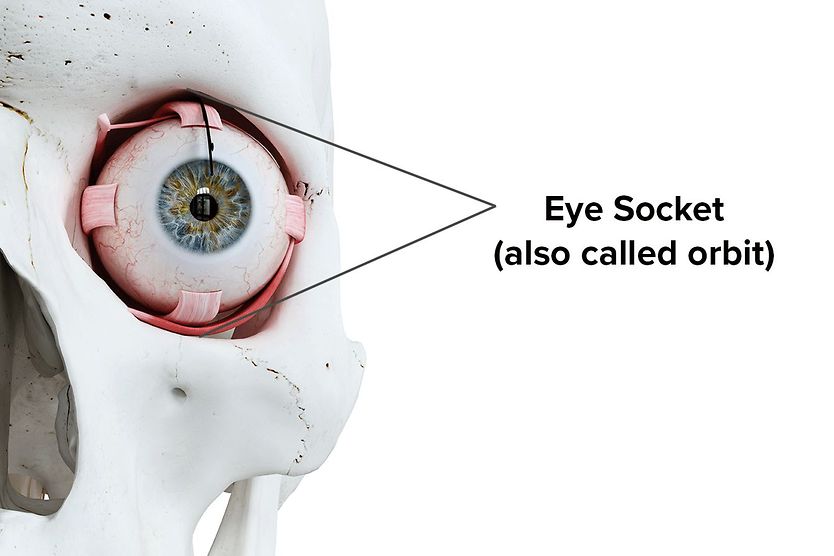
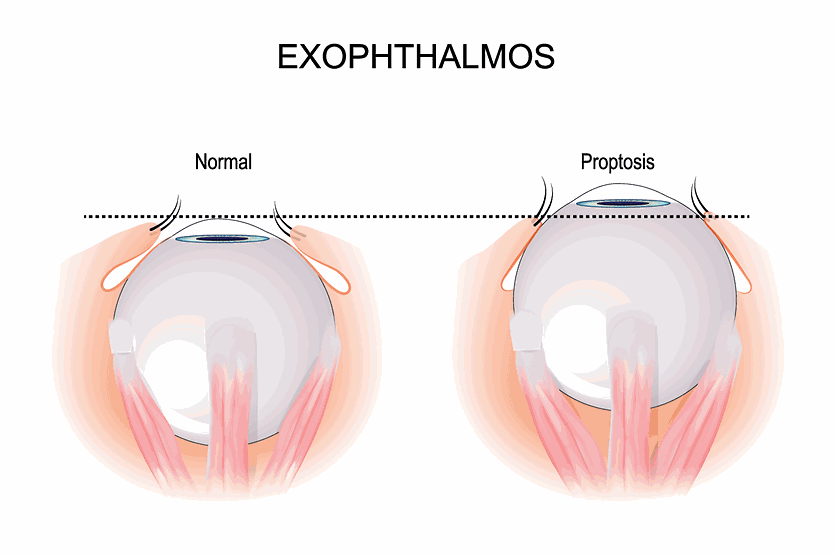
There is usually no pain with movement of the eye, and vision is typically normal. The infection in periorbital cellulitis does not spread into the eye itself, because the eye is protected by a layer of tissue called the septum, which separates the front part of the eye from the back part of the eye.
Periorbital cellulitis, however, can resemble a more serious infection called orbital cellulitis, in which the infection actually penetrates into the eye. Your eye doctor can distinguish between the two. Periorbital cellulitis is nearly 10 times more common than orbital cellulitis.
Your doctor can also distinguish between periorbital cellulitis and other conditions, such as allergic reactions and conjunctivitis (or pink eye), which also have symptoms of swollen, tender and inflamed eyes.
Periorbital cellulitis causes
Periorbital cellulitis is caused by germs that enter the skin through a cut, scratch, sore, insect bite, dog bite, puncture wound or infected bump such as a stye. The germs can also come from a cold or sinus infection, which means that children who have frequent colds or sinusitis may be more susceptible to periorbital cellulitis. The germs can include:
Staph infections, from Staphylococcus bacteria. This type of germ is commonly found on the skin and even in the nose. The majority of the time, these bacteria live on and in the body and cause no problems or result in relatively minor skin infections.
MRSA (Methicillin-resistant Staphylococcus aureus), a type of Staph infection that is more serious because it is resistant to many antibiotics.
Streptococcus bacteria, which often cause a strep throat.
Pneumonia, which can be caused by bacteria, fungi, parasites and viruses.
Other infectious organisms, such as viruses or fungi.
Is there a vaccine to prevent periorbital cellulitis?
The more common cause of periorbital cellulitis used to be a germ called Haemophilus influenzae type b (Hib). This germ was also once the leading cause of bacterial meningitis in children under five. In 1990, a vaccine was developed to help protect against Hib disease and it is now part of routine childhood vaccinations. Therefore, Hib is no longer a common cause of this condition.
How your eye doctor diagnoses periorbital cellulitis
To diagnose periorbital cellulitis, your eye doctor may:
Conduct a visual examination, checking your eyes to see how they move and respond to light.
Review your medical history and ask questions, such as whether you’ve had any recent infections or injuries, bug bites, scratches or breaks in the skin.
Examine your eye to look at any injury or see if there is a stye or other infected bump that could have led to the condition.
Your eye doctor may also:
Check your eye pressure to make sure it is normal.
Order blood tests to help identify the bacteria involved or to see if there are other infection-related changes in the blood.
Test secretions from the eye in order to identify the bacteria involved.
If your eye doctor is concerned that you or your child might have orbital cellulitis, which is more serious, they may order a specialized X-ray called a computed tomography (CT) scan. This CT scan can show whether the infection has penetrated beyond the front layer of your eye. Though the two conditions sound similar, they are different and are treated differently.
Periorbital cellulitis treatment
Periorbital cellulitis is usually treated with oral antibiotics for five to seven days. The condition typically responds well and resolves quickly. Your eye doctor may choose an antibiotic that is effective against the more common germs found in periorbital cellulitis, such as Staphylococcus (including MRSA) and Streptococcus species. Your eye doctor may also suggest taking medication such as acetaminophen or ibuprofen, which can help reduce pain, swelling and fever.
If a child with periorbital cellulitis is under a year of age, or the condition is unusually severe, an antibiotic shot or intravenous antibiotics may be required. Children under a year of age may need a brief stay in the hospital while they are being treated.
Can periorbital cellulitis be treated at home?
There are no effective at-home treatments for this condition. However, you may be able to reduce the risk of this condition. Here are some tips:
- Observe good hygiene practices for you or your child.
- Clean any scratches, bug bites or injuries near the eye.
- Make sure your child is receiving their routine and recommended vaccinations, including Hib.
- Treat sinusitis and upper respiratory infections promptly, under a doctor’s care.
Remember, always see your eye doctor if you experience any vision or eye problems. If periorbital cellulitis is not treated, it can spread and reach the eye socket, becoming the more serious orbital cellulitis.
SEE RELATED: Cavernous sinus: Anatomy and function