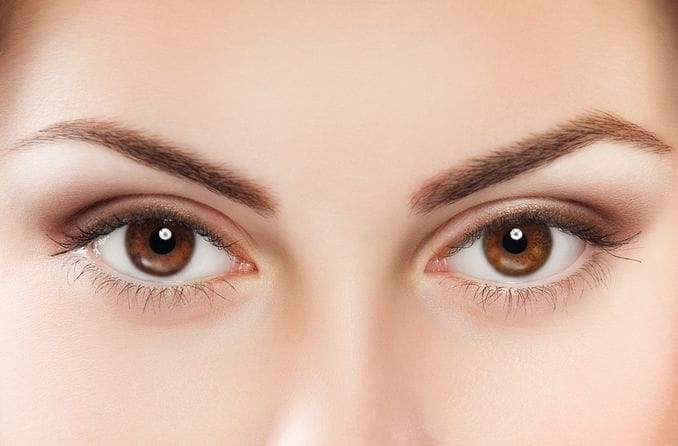
Brown eyes: Facts about brown eye color

On this page
Brown eyes
What causes brown eyes?
What are the benefits of brown eyes?
Are brown eyes more trustworthy?
What if you want a rarer eye color?
How can you make your brown eyes stand out?
Have routine eye exams
On this page
Brown eyes
What causes brown eyes?
What are the benefits of brown eyes?
Are brown eyes more trustworthy?
What if you want a rarer eye color?
How can you make your brown eyes stand out?
Have routine eye exams
Brown eyes
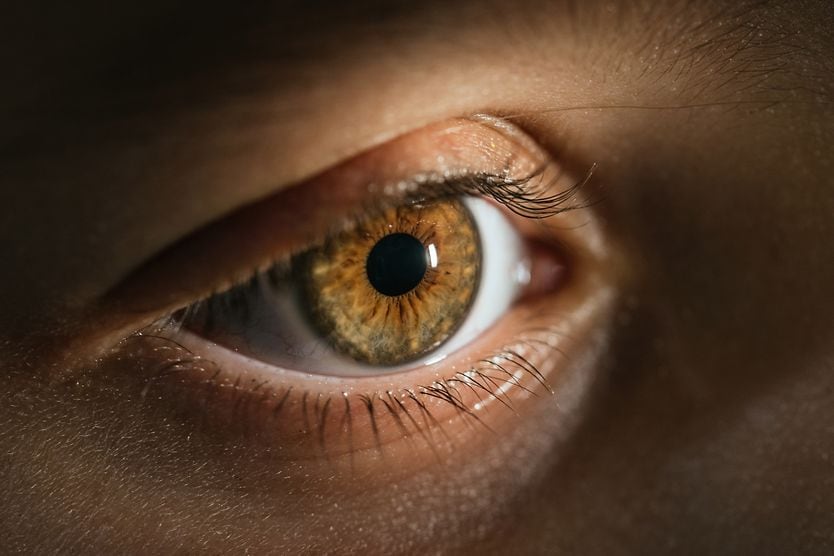
Brown eyes are more common worldwide than any other eye color. In fact, around 70% to 80% of people around the world have brown eyes. But the prevalence of this eye color varies significantly with geography.
Most people living in Africa and Asia have dark brown eyes. Dark brown eye color is also very common in the Middle East. In Europe, the prevalence and shade of brown eyes vary significantly from region to region.
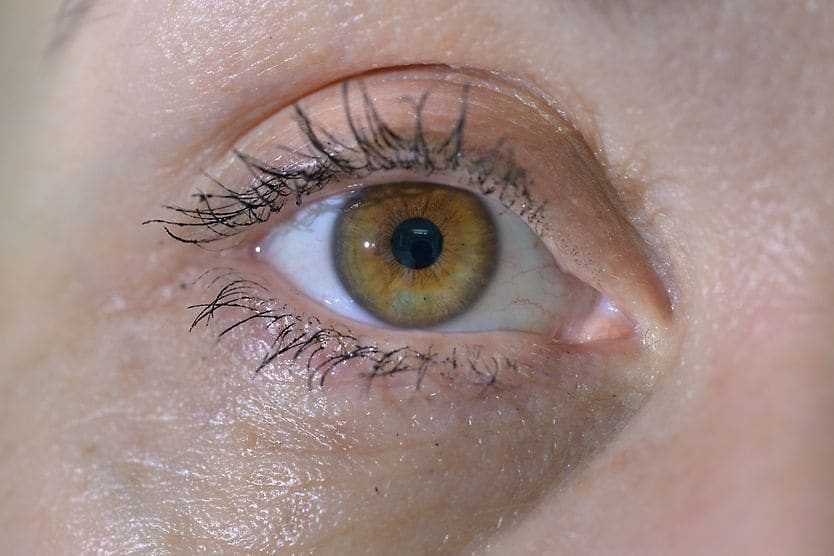
In the United States, an estimated 45% of the population has brown eyes — including dark brown eyes, light brown eyes and honey brown eyes. If you include hazel eyes (sometimes called hazel brown eyes), the prevalence is even higher.
But a high prevalence of brown eye color doesn't mean all brown eyes look the same. There is plenty of variation in the appearance of brown eyes (even within a given shade) from person to person.
READ MORE about the most common eye colors
What causes brown eyes?
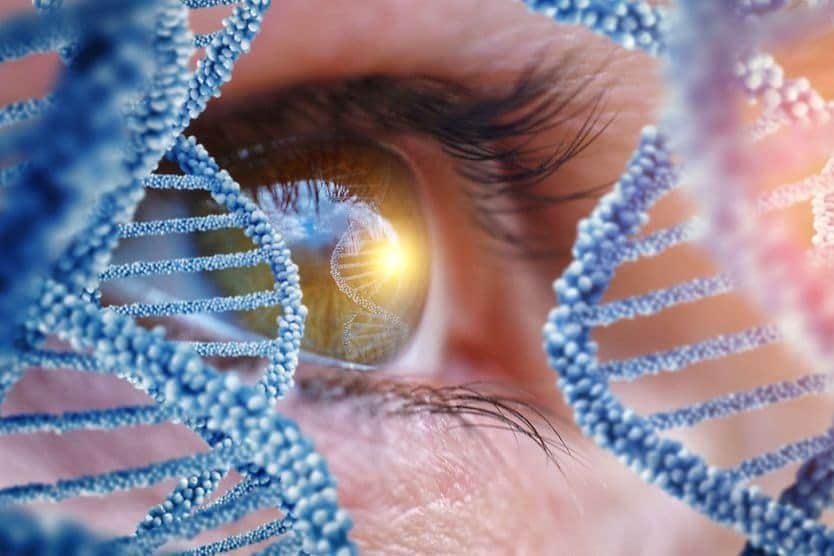
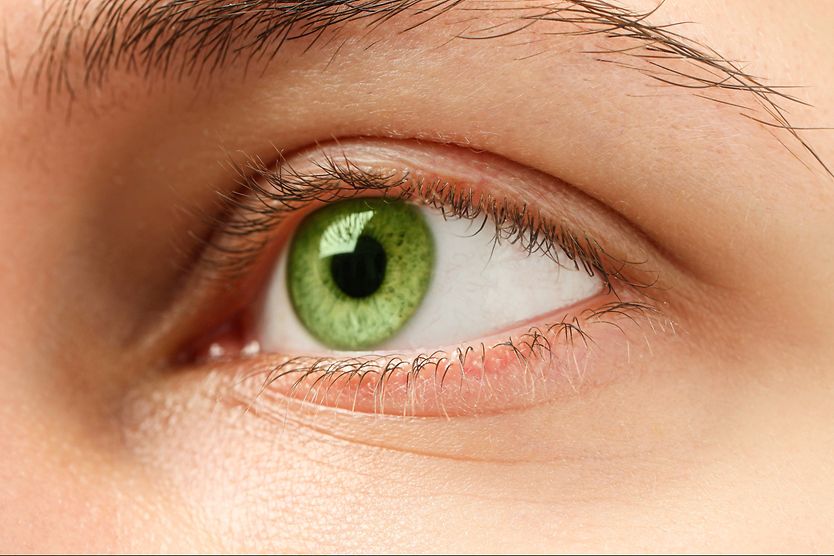
There are many different shades on the eye color spectrum — including less common blue eyes and green eyes. Eye color comes from a pigment in the iris called melanin. The amount of melanin determines the color of your eyes.
Eyes with very little melanin in the iris are blue. Eyes with a bit more melanin are green, hazel or light brown. And those with a high concentration of melanin are medium or dark brown.
Eye color is an inherited trait, and genetic factors play a role. But predicting eye color from your family tree is more difficult than you might expect. In fact, there is evidence that up to 50 genes can influence eye color.
So it's very possible for children in the same family to have different eye colors — including colors different than those of their parents. Due to complex variations and interactions of genes, it's hard to say with certainty what color eyes a couple’s future child might have.
Also, the eyes of many Caucasian babies contain very little melanin at birth, causing them to appear blue the first few months of life. But within 12 to 18 months, more melanin can accumulate in the iris, causing their eye color to change from blue to green, hazel or brown.
What are the benefits of brown eyes?
If you have brown eyes, you'll be happy to know they have been associated with some health benefits.
People with brown eyes may be less vulnerable to certain diseases. For example, people with brown eyes appear less likely to develop age-related macular degeneration than people with light-colored eyes.
Also, people with brown eyes have a lower risk of type 1 diabetes and melanoma of the eye, compared to individuals with light blue eyes.
Other research suggests people with brown eyes may have less risk of hearing problems from environmental noise pollution than coworkers with blue eyes. The study authors felt melanin pigment may help protect nerves in the brain from noise-induced damage.
However, there are some other potential considerations for people with brown eyes.
Some researchers found that women with dark-colored eyes seemed to experience more pain when giving birth compared with mothers with light-colored eyes. The women with light-colored eyes also experienced less anxiety, depression, negative thoughts and sleep disturbances than the women with brown eyes.
Sunlight tolerance may also vary depending on your eye color. Research shows that people with dark brown eyes are more likely to develop cataracts than people with lighter-colored eyes. But regardless of your eye color, it’s important to wear sunglasses with 100% UV protection outdoors. You may find that polarized sunglasses offer the greatest comfort in bright sunlight, especially in situations with extreme glare.
Are brown eyes more trustworthy?
Brown eyes have come to have some cultural significance over time. Did you know that having brown eyes may make you appear more trustworthy?
In research performed in the Czech Republic, university students were asked to look at photographs of 80 fellow students (40 males and 40 females, ages 19 to 26 years). Participants in the study were asked to rate the photographed students for trustworthiness on a 10-point scale.
The students who were photographed were told to assume neutral, non-smiling expressions and not to wear any makeup or jewelry. All photos were cropped so that the eyes were always horizontally at the same height with a standard length of neck visible. Only photos of individuals with blue eyes or brown eyes were used in the study. Photos of students with hazel or green eyes were excluded.
Results of the study revealed that people with brown eyes were perceived as significantly more trustworthy than those with blue eyes.
But it's a little more complicated than that.
The researchers found a relationship existed between eye color and face shape, and that the shape of a person's face also plays a key role in the perception of trustworthiness.
Brown-eyed faces tended to have:
- A rounder and broader chin
- A broader mouth with upward-pointing corners
- Relatively bigger eyes
- Eyebrows that were closer to each other
In contrast, blue-eyed faces were characterized by:
- A more angular and prominent lower face
- A longer chin
- A narrower mouth with downward-pointing corners
- Relatively smaller eyes
- More widely separated eyebrows
"Brown-eyed individuals tend to be perceived as more trustworthy than blue-eyed ones," explained the study authors. "But it is not brown eyes that cause this perception. It is the facial morphology linked to brown eyes."
What if you want a rarer eye color?
Despite the advantages associated with brown eyes, if you'd like to try to alter the appearance of your eye color, you can. There is a wide variety of colored contact lenses that can temporarily change your brown eyes to a different color. There are even colored contacts that can change the appearance of dark brown eyes to light blue, if that's what you prefer.
While you need a valid prescription to purchase any contact lens in the U.S., colored contacts are available with or without vision correction.
SEE RELATED: Surgery to change your eye color
How can you make your brown eyes stand out?
If you’re not interested in colored contacts, there are other ways to make your brown eye color stand out. If you wear eyeglasses, ask your eye care professional to show you how different frame colors can complement and enhance your brown eyes.
Lenses with an anti-reflective (AR) coating can also help showcase your eye color. AR coating eliminates distracting reflections in your eyeglass lenses, allowing others to see your eyes more clearly.
You may also want to consult with a professional aesthetician to discover the ideal eyeshadow and makeup for brown eyes. The right choices for you will likely depend on a number of factors — including your hair color, skin tone and the intensity of your eye color.
Have routine eye exams
To keep your brown eyes healthy and seeing clearly, schedule a comprehensive eye exam at least once every two years.
READ MORE: Amber eyes: Rare and striking
On this page:
Brown eyes
What causes brown eyes?
What are the benefits of brown eyes?
Are brown eyes more trustworthy?
What if you want a rarer eye color?
How can you make your brown eyes stand out?
Have routine eye exams
On this page:
Brown eyes
What causes brown eyes?
What are the benefits of brown eyes?
Are brown eyes more trustworthy?
What if you want a rarer eye color?
How can you make your brown eyes stand out?
Have routine eye exams