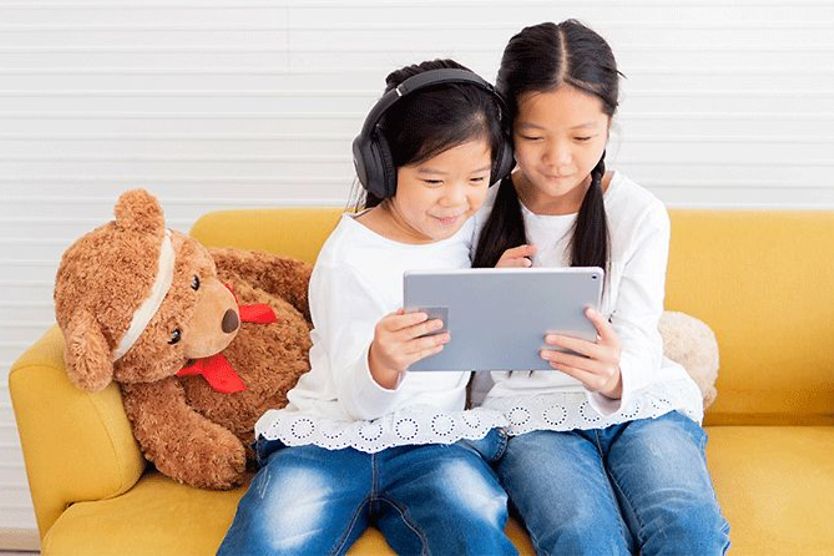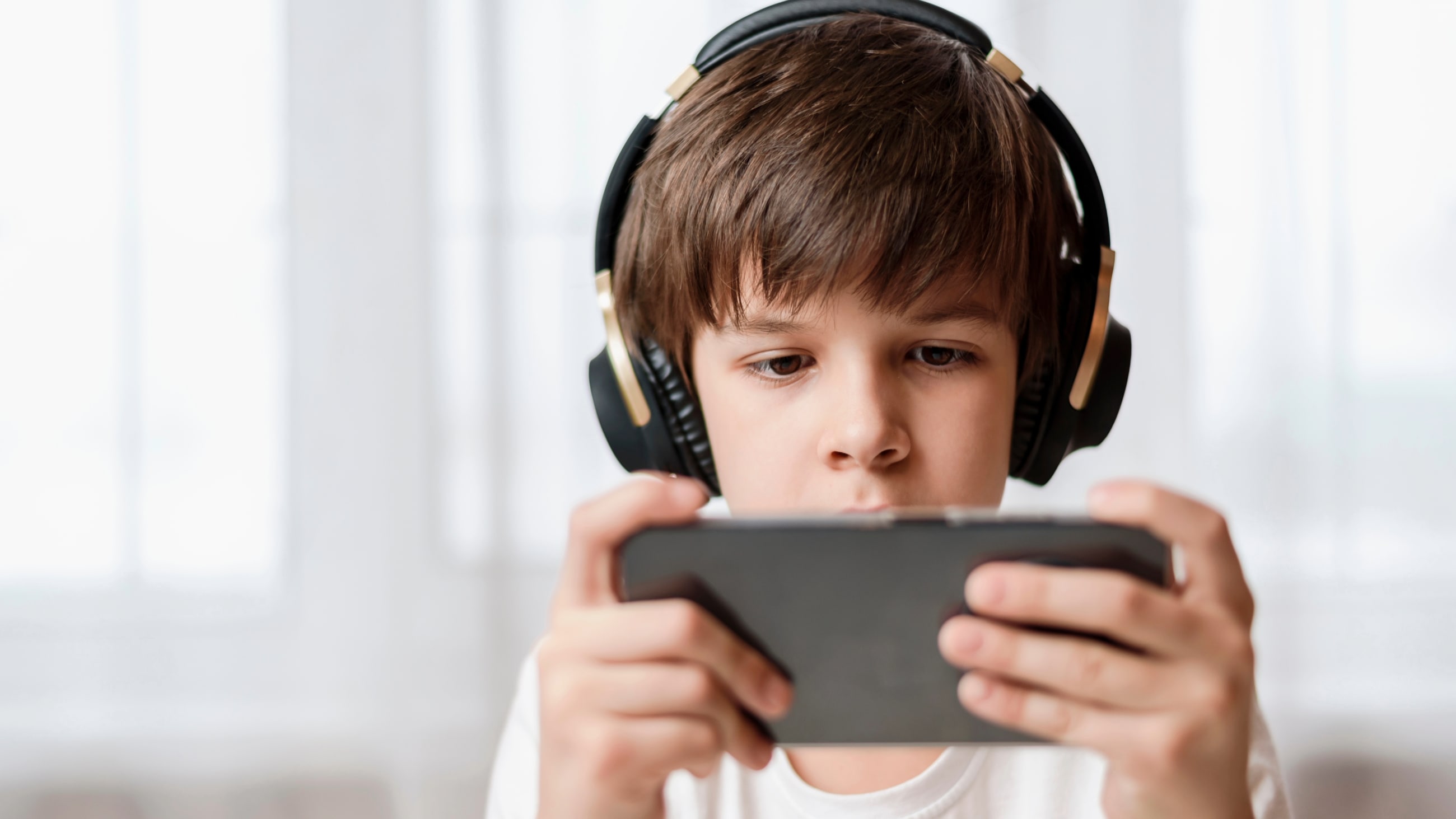
How frequently do young children use computers and other digital devices these days? The answer may astound you. And it could result in a problem called computer vision syndrome.
Computers and vision by the numbers
Statistics show 94 percent of American children ages 3 to 18 currently have access to a computer at home.
Also, research shows:
- 98 percent of U.S. households with kids under the age of 8 have some type of mobile device (smartphones, tablet computers, etc.)— the same percentage as the amount of homes that have a television.
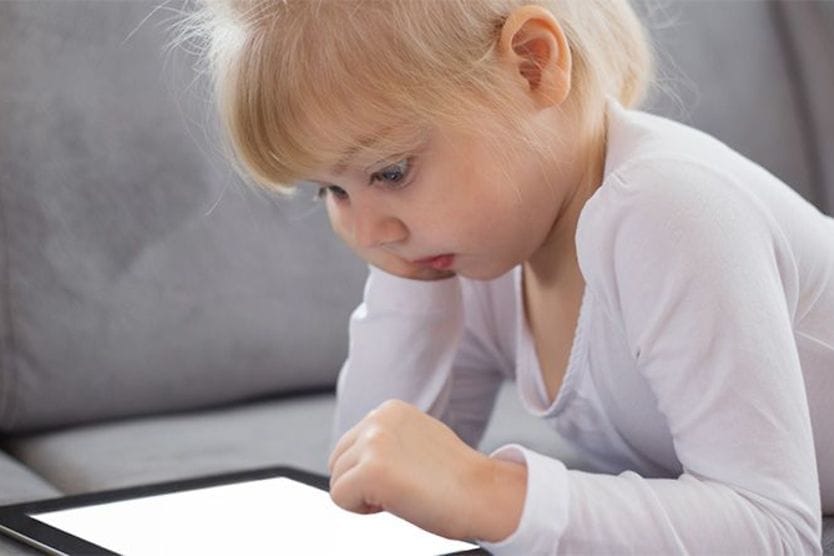
- Kids under age 8 now spend an average of more than two hours a day viewing digital displays. Among older children, screen time jumps to six hours per day for ages 8 to 10 and nine hours per day for kids 11 to 14 years old.
Because this rapid increase in the use of computers and other digital devices by children has occurred within just the past decade or two, there’s no conclusive data regarding the potential harmful effects of too much screen time on kids' eyes — both in the short-term and later in life.
But some eye doctors are concerned.

Should you worry about how much time your child spends in front of the computer every day?
Screen time risks
A primary concern that many eye doctors have is that significant hours of computer use by kids may put them at greater risk for developing myopia (nearsightedness).
Research appears to confirm that opinion. A large study found that the prevalence of nearsightedness among Americans has increased from 25 percent to 41.6 percent of the population over the past 30 years — an increase of more than 66 percent.
The time frame of this significant increase in myopia parallels the ramp-up of hours of computer use worldwide. And the greatest risk for nearsightedness and myopia progression takes place in childhood.
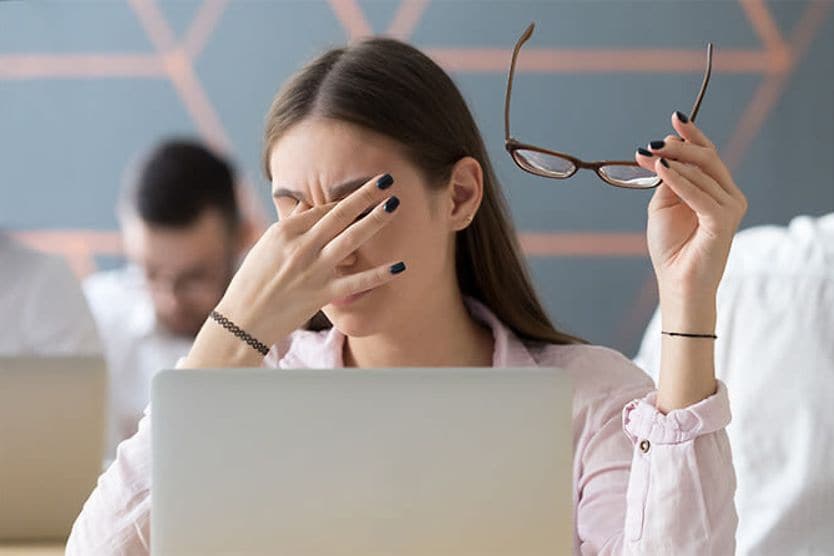
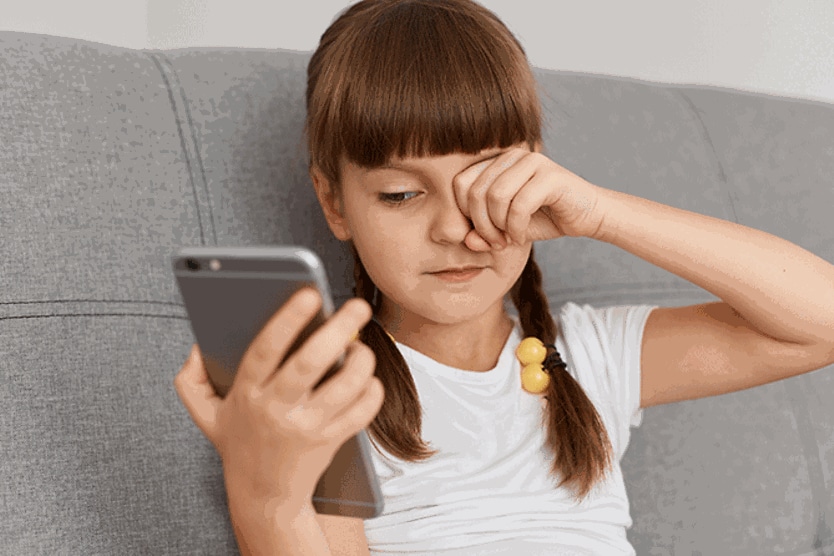
But another concern is that more eye doctors are seeing children in their offices who may be experiencing symptoms of computer vision syndrome — a condition characterized by a combination of eye strain, headaches and fatigue-related discomfort and posture problems.
Investing in computer glasses may help relieve some computer vision syndrome symptoms, as they typically include a prescription that makes viewing screens more comfortable. Blue light emitted by the screens of computers and other digital devices may increase glare. Computer glasses with blue-violet light filters may make long-term computer use more comfortable for some children.
SEE RELATED : What are the effects of too much screen time?
What you can do
Symptoms of computer vision syndrome — headaches, eye strain, posture problems, etc. — are recommended reasons to schedule an eye exam for your child. Addressing these issues early not only can relieve unnecessary discomfort, it may also reduce the risk of vision problems or eye health concerns later on.
In addition to scheduling an eye exam, here are a few helpful things you can encourage your child to do to decrease the risk of computer vision syndrome and promote good vision and healthy eyes:
- Take frequent "eye breaks." A very helpful technique when using a computer or other digital devices is called the "20-20-20 rule" — every 20 minutes, stop looking at your screen for at least 20 seconds to look at something at least 20 feet away. This may relax your eye muscles to prevent fatigue that can lead to eye strain and headaches.
- Stretch. The short breaks associated with the 20-20-20 rule are a great time for your child to get up from the desk (or put down the device) to stand up and stretch. Performing a yoga pose or two also may be a good idea. (OK, your child might not want to do these things in the middle of a class at school, but you get the idea!) The purpose here is to relieve muscle tension that can cause eye, head, neck and overall body discomfort. Stretching also may help increase blood flow to increase alertness.
- Go outdoors. Again, not during class time, but spending more time outdoors may get your child moving and relieve tension associated with computer vision syndrome. There also is research that shows spending more time outdoors may decrease the risk of becoming nearsighted.

And if your child already wears glasses, it’s recommended to ask your eye doctor about photochromic lenses and anti-reflective coating. These eyewear products can increase visual comfort and decrease your child's exposure to blue light both indoors and outside.
Read Next
Digital devices: Bad for kids' eyes? Learn the risks of spending too much time staring at screens.
What causes myopia? Learn about the causes and risks of nearsightedness in kids.
Children's eye exams. Facts about eye exams for kids and when to schedule them.
Concerned about cost? Make your child's vision care affordable with vision insurance.
Screen time recommendations. Find out what the screen time recommendations are by age.