Astigmatism is a common type of refractive error; in fact, many people have some degree of astigmatism. Fortunately, astigmatism can be simple to correct. If you have astigmatism, you can often achieve clear vision with eyeglasses, contact lenses or vision surgery.
The ideal treatment for you will depend on the type and severity of your astigmatism.
Astigmatism eyeglasses, contact lenses and surgery
To find out which method of correcting astigmatism is appropriate for you (or if you have astigmatism), you’ll need to visit an eye doctor. During your visit, you’ll have a chance to talk to your eye doctor about your vision symptoms and likely have a comprehensive eye exam that includes special astigmatism testing. This is how your eye doctor will make an accurate diagnosis and determine the exact prescription needed to correct your astigmatism.
The treatment option recommended will typically depend on your prescription, eye health, corneal thickness, routine daily activities and other factors.
Astigmatism glasses
Glasses for astigmatism are a common, simple choice with a wide range of options. They can usually correct mild and moderate regular astigmatism to 20/20 vision. The lenses are crafted to address the asymmetrical curvature of the eye’s cornea or natural crystalline lens.
Astigmatism contact lenses
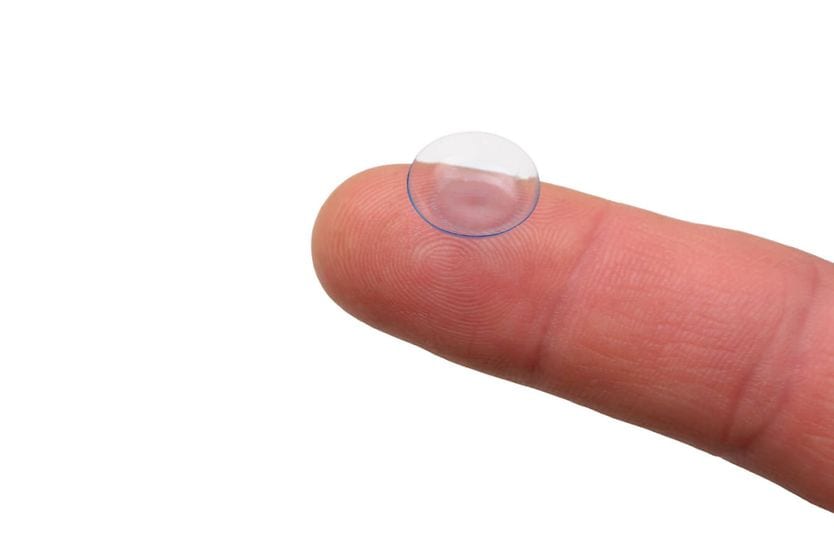
Contact lenses are also a common choice with several options. For people with mild or low regular astigmatism, standard soft contacts can sometimes correct it.
Moderate and high levels of regular astigmatism generally require toric or rigid gas permeable (RGP or GP) lenses. For those who have irregular astigmatism, scleral lenses and customized RGP lenses can be effective choices.
Astigmatism therapy (Orthokeratology)
Orthokeratology, also called corneal refractive therapy or Ortho-k, can be used to temporarily correct milder cases of astigmatism. This therapy involves wearing specially designed hard contacts overnight (removed upon waking) to slightly reshape the cornea. The effects usually last a day or two and go away if the contacts aren’t used regularly.
Astigmatism surgery
Having surgery is the only way to permanently correct astigmatism. However, your type and degree of astigmatism, corneal thickness, age and other eye conditions are all factors in whether surgery is the ideal option — and if so, which type of surgery.
There are several types of laser refractive surgery that can correct astigmatism by changing the shape of the cornea. They include:
LASIK – A small flap is created in the epithelium (upper layers of the cornea), which is then folded back so the laser can reshape the tissue underneath.
LASEK – Instead of creating a flap in the epithelium, it is loosened with a special solution and moved to the side to allow access to the corneal tissue.
Epi-LASIK – This procedure is very similar to LASEK, except the epithelium is loosened and moved aside with a blunt surgical tool instead of a solution.
PRK – Instead of folding or moving the epithelium aside, it is completely removed to access the corneal tissue and then grows back very quickly.
SMILE – In this procedure, a precisely shaped bit of tissue is removed from within the cornea through a tiny incision, leaving the epithelium intact.
There are also options for people who aren’t candidates for laser surgery or have other eye conditions. These can include:
Cataract surgery with a toric lens replacement – During cataract surgery, the natural lens can be replaced with a toric lens to correct astigmatism.
Refractive lens exchange – This is the same procedure as cataract surgery, but it’s done as a refractive error correction instead of for cataracts.
Lens implants – This procedure is like having contact lenses put inside the eye; they are placed over or behind the iris, and the natural lens stays in place.
Lens implants and lens exchanges are more invasive than laser refractive surgeries and may not be recommended for people who can achieve clear vision with glasses or contacts.
Astigmatism exercises
The idea of eye exercises to improve astigmatism and other refractive errors has been around for a long time, but unfortunately, there is no evidence that they work.
The blurry and distorted vision that comes with astigmatism is caused by the shape of the cornea or crystalline lens. Eye exercises involve the rectus muscles of the eye (the muscles that move the eyes around). Training these muscles can help with amblyopia (lazy eye) and strabismus (crossed eyes), but it won’t change the shape of the cornea or lens.
However, some eye exercises may be able to relieve the eye strain and headaches associated with astigmatism. It’s important to talk to your eye doctor before trying them out.
Is astigmatism curable?
Astigmatism isn’t an illness or disease; it is considered a condition since it is not progressive. It’s also not technically “curable.” Technically, it’s a refractive error, like nearsightedness and farsightedness, that’s caused by imperfections in the shape of the cornea or crystalline lens.
Laser and other types of surgery can permanently correct astigmatism, but there aren’t any medications or natural remedies that can. Very young children do, however, sometimes outgrow astigmatism.
HAVE MORE QUESTIONS ABOUT ASTIGMATISM? Check out these helpful astigmatism FAQs.