How to buy contact lenses online


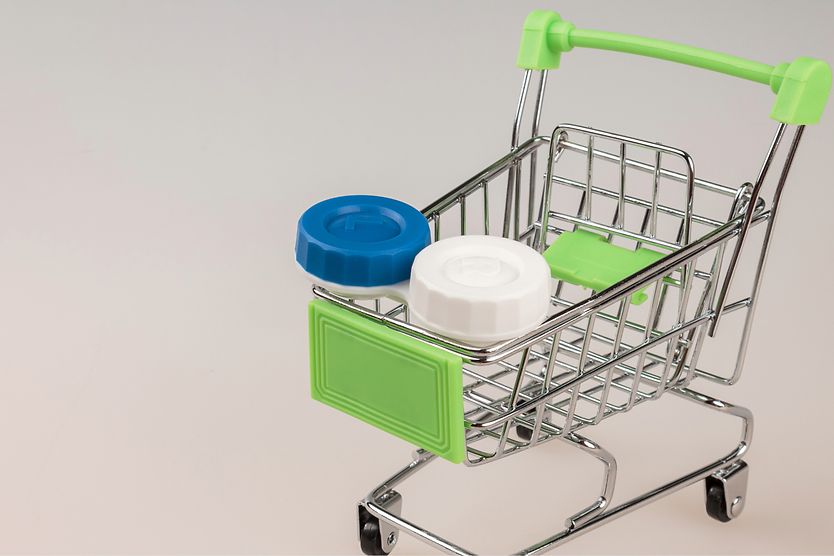
In tandem with the rise of e-commerce has come the rise of eye commerce — the ability to buy eye care products online. Today, a growing number of contact lens wearers in the U.S. buy their contact lenses online.
Here are eight things to keep in mind — to give you peace of mind — when buying contacts online:
1. Get an eye exam
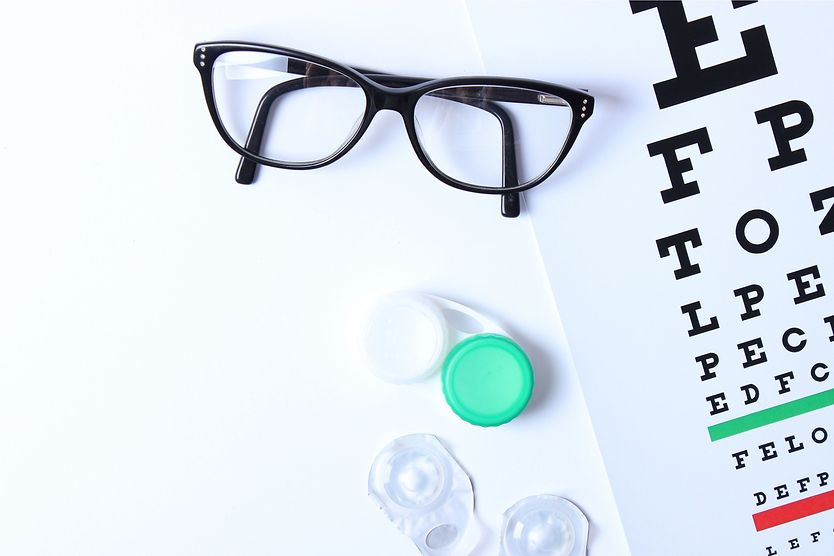
Eye doctors recommend consumers undergo regulareye exams to ensure their contact lens prescription is up to date, since the health of your eyes can change between checkups. In the United States, it is required to have a valid contact lens prescription to make a purchase.
According to the Federal Trade Commission (FTC), a contact lens prescription must be valid for at least one year. Some states require prescriptions to be valid for two years, and prescribers are always free to set a longer expiration period if they feel it's appropriate. Prescriptions can be written by optometrists, ophthalmologists or certain licensed contact lens fitters.
“People should keep in mind that contact lenses are not harmless accessories, but are FDA-regulated medical devices with a small, but real, risk of infection and loss of vision,” says Boston ophthalmologist Dr. Deborah Jacobs, past president of the Eye and Contact Lens Association.
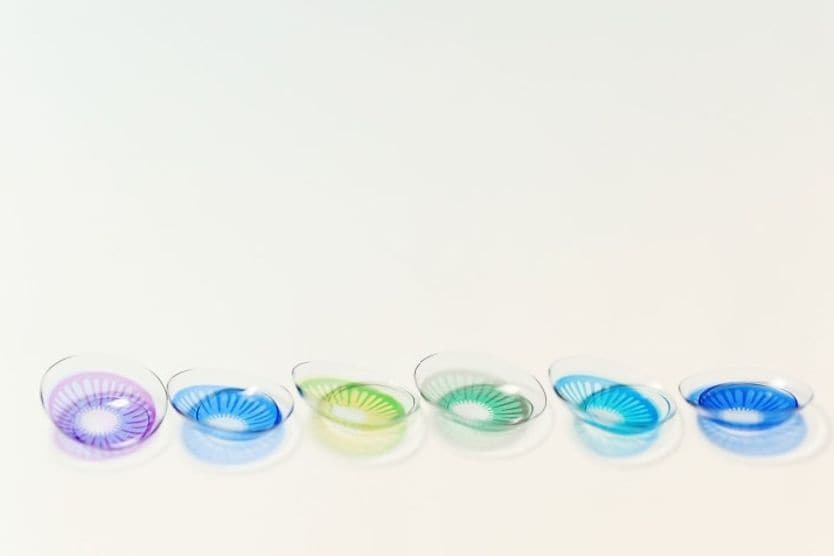
By the way, the FTC notes, all contact lenses require a prescription — even cosmetic lenses designed only to alter the appearance of your eyes, rather than improve your vision.
Businesses that sell cosmetic lenses without a copy of your prescription or without verifying your prescription information are selling them illegally, the FTC says.
Over-the-counter (non-prescription) contacts should be avoided, as they can cause serious eye injuries or infections that can threaten your vision.
Some retailers find ways around these rules and sell contacts illegally, so it's important to stay cautious when you shop online.
SEE RELATED: Contact lens eye exams
2. Check your contact lens prescription
Aside from the expiration date, your contact lens prescription normally should show information such as:
- Your name
- Name of the prescriber
- Date of your eye exam
- Power of the vision correction, expressed in numbers preceded by plus or minus signs
- Curvature of the lenses
- Diameter of the lenses
- Brand name of the lenses
The GP Lens Institute, the educational arm of the Contact Lens Manufacturers Association, recommends ensuring your prescription and order are accurate when lenses are ordered through a retailer outside your eye doctor's office.
3. Be aware contact lens and glasses prescriptions are different
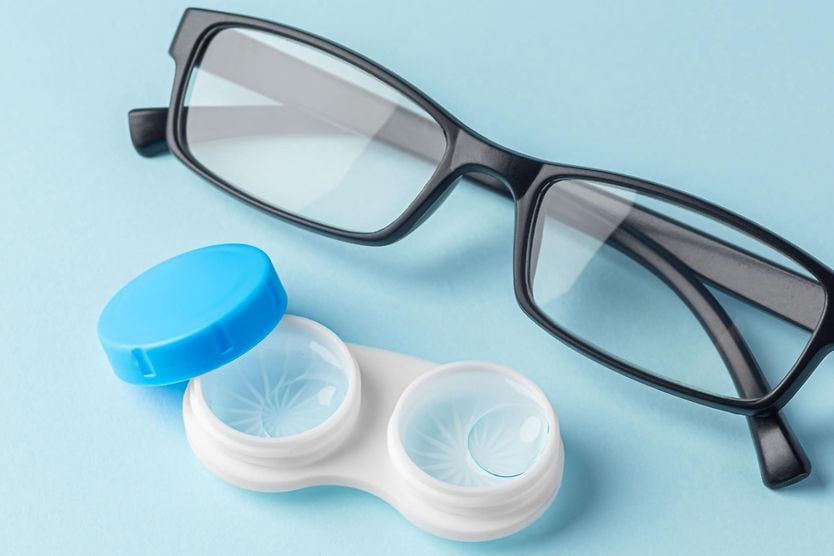
If you have a prescription for eyeglasses, you can’t use it to buy contact lenses. You’ll need a separate prescription just for contacts.
The main reason: Eyeglass lenses are positioned about 12 millimeters from your eyes, while contact lenses rest directly on the surface of your eyes.
SEE RELATED: How contact lenses and glasses prescriptions are different
4. Stick to the prescribed brand
The FDA suggests being on the lookout for attempts to substitute one contact lens brand (perhaps a cheaper variety) for the one that appears on your prescription.
Although this may be okay in some cases, different brands can vary in water content and shape. The FDA notes that your contact lens choice should be made together with your eye doctor after an eye exam.
In addition to ensuring the brand is correct, double-check whether the power and other details are right, the FDA says. If something about the lenses appears to be wrong, contact your eye doctor's office and the retailer.
5. Shop around
Prices for the exact same brand of contacts frequently vary from seller to seller. Therefore, it can pay to do some comparison shopping — you might be able to save some money.
In addition, hunt for cost-cutting deals or coupon codes, or consider subscription services that sell bulk supplies of contacts.
If you have vision insurance, check your coverage for contacts to see if it could lower your out-of-pocket expense. Also, see if there are any available rebates on your contact lens purchase.
6. Ensure you always have contacts and lens care supplies
Some contact lenses can take a while to arrive, so make sure you allow enough time for shipping to avoid running out.
No matter how many contact lenses you plan to buy, consider factors beyond price alone, including whether you or your friends, relatives or colleagues are familiar with or have a good impression of the retailer.
7. Check out the seller’s reputation
Before buying contact lenses from an online retailer, do some online research. Look at customer reviews and consumer protection organizations to see whether complaints have been filed against the retailer.
The FDA reminds people that contact lenses are regulated medical devices, so you should only buy them from a reliable supplier you know and trust.
You might also take factors like return policies and customer service into consideration.
8. Understand the limits of online eye exams
Some e-commerce contact lens retailers offer online vision tests, which can be a convenient option for prescription renewals. However, these services have limitations. They typically assess visual acuity but cannot evaluate the fit of a contact lens on the eye or screen for conditions like glaucoma, dry eye or corneal changes that may affect lens wear.
"They are not evaluating the material and fit with how it interacts with someone's anatomy," says Dr. Ming Wang of Wang Vision 3D Cataract and LASIK Center in Nashville.
For this reason, most eye care professionals recommend that online vision tests not replace comprehensive in-person eye exams and contact lens fittings, particularly for new wearers or those with complex prescriptions.