What is LASIK eye surgery?
Thinking about LASIK (laser-assisted in situ keratomileusis)? This elective eye surgery can eliminate the need for glasses or contact lenses by using a laser to reshape the cornea, the clear front part of the eye. A good way to know if LASIK is right for you is to learn more about it and have a comprehensive eye exam.
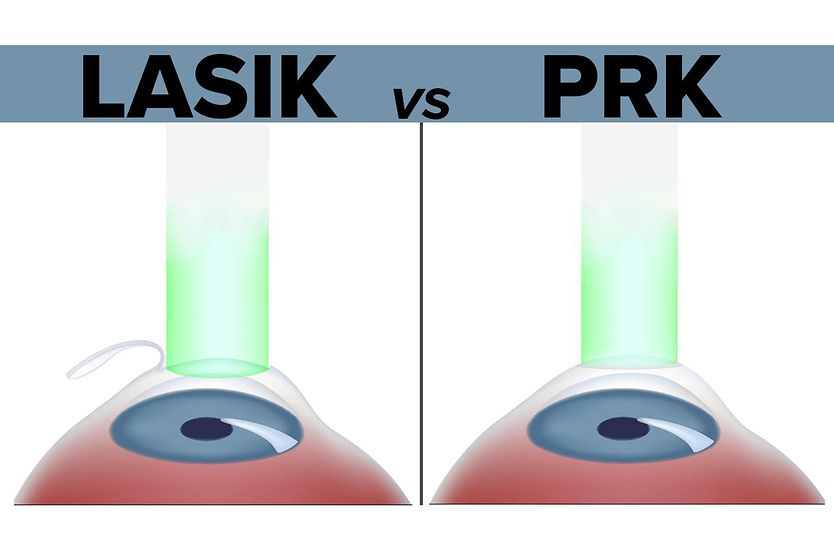
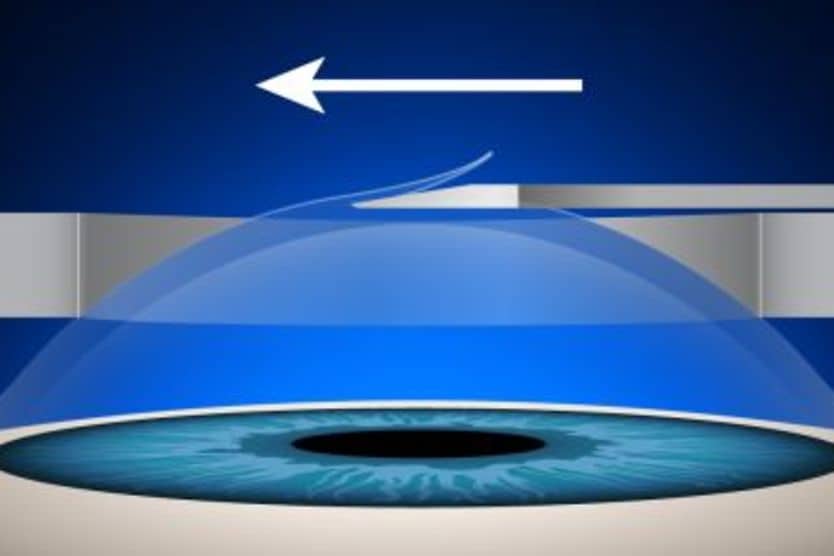
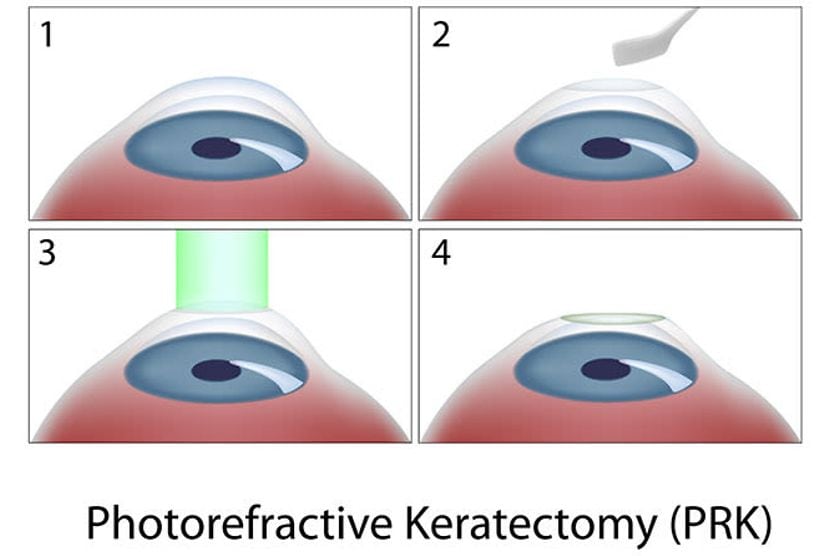
During LASIK eye surgery, a thin flap is created in the outer layer of the cornea with a laser or mechanical microkeratome (blade) to access the middle layer of the cornea. An excimer laser is used to remove small amounts of the tissue beneath the flap. After the cornea is reshaped, the flap is gently repositioned and heals naturally without stitches.
The entire procedure typically takes less than 30 minutes for both eyes, with the laser treatment lasting a very short time. LASIK typically improves vision within a day, and you can go back to your daily life within a few days. People choose this surgery for many reasons:
It is typically a quick laser procedure.
It can be performed in an office or an outpatient surgery center.
It usually causes minimal discomfort.
It typically has a fast recovery.
Vision improvement usually occurs quickly after the surgery.
What vision problems can it correct?
LASIK surgery is performed on people who use corrective lenses because of refractive errors. These include:
- Nearsightedness (myopia) – This causes distant objects to look blurry.
- Farsightedness (hyperopia) – This typically causes close objects to appear blurry.
- Astigmatism – This is an irregularly curved cornea or lens that causes distorted vision.
It is important to carefully consider the risks and benefits of LASIK. The pros and cons of laser vision correction vary from person to person. If you decide you would like to get LASIK, you will need an initial consultation to ensure you are a suitable candidate for the procedure.
Who might be a good candidate for LASIK?
Specific health, age and prescription criteria must be met in order to be a good candidate for LASIK eye surgery:
- You must be 18 years of age or older, although it is better to be in your 20s.
- Your prescription should be stable, meaning it has not changed significantly for at least one year (note that pregnancy and breastfeeding can temporarily cause changes).
- Your prescription should be within the treatment parameters approved by the FDA.
- You must have generally good eyesight and overall health.
- Your cornea must be sufficiently thick and healthy for the procedure to be performed safely.
The FDA requires that your prescription fall within the following parameters:
- A maximum of +6.00 diopters of hyperopia
- A maximum of 6 diopters of cylinder/astigmatism
- A maximum of -12.00 diopters of nearsightedness
Should I stop wearing contact lenses before my initial consultation?
Yes, you should stop wearing contact lenses several weeks before your appointment.
Contact lenses can temporarily alter the cornea’s shape. To ensure the most accurate measurements during the evaluation, you should stop wearing contact lenses for several weeks before your appointment.
- Soft contact lenses – Stop wearing lenses two weeks before.
- Toric soft lenses – Stop wearing lenses three weeks before.
- Rigid gas permeable lenses – Stop wearing lenses three to four weeks before.
What happens at an initial consultation?
A comprehensive initial consultation will allow the LASIK surgeon to obtain the necessary information to determine whether you are a good candidate. It will also give you the opportunity to ask any questions you may have.
To ensure you are a good candidate for LASIK, your eye doctor will perform a comprehensive exam that includes:
- A complete medical and eye history
- A vision check and review of your previous eye prescription records
- An eye examination, which includes testing for glaucoma, checking the retina and taking precise measurements of the shape and thickness of the cornea
- A review of your complete list of medications, including over-the-counter drugs and herbal remedies, as some can interfere with healing
Will I be asked to sign a consent form?
Yes, you will be asked to read and sign a consent form that outlines the procedure’s risks, benefits, alternatives and potential complications. Your eye doctor can discuss expectations and answer your questions.
What happens once the procedure is scheduled?
After your surgery date is scheduled, you will receive specific instructions to prepare for the day of the procedure. It is important that you follow these instructions carefully and reach out to the office if you have any questions or concerns. Additionally:
- Arrange for someone to drive you home after the surgery, as you may experience temporary blurry vision.
- Avoid using cosmetics, creams or perfumes for a couple of days before surgery.
- You may be provided with eyelid scrubs to help reduce the risk of infection.
Who isn’t a candidate for LASIK?
LASIK surgery may not be safe or effective for everyone, and certain preexisting health or eye problems can increase the risk of complications. These include:
- Keratoconus
- Ocular herpes
- Corneal infection
- Severe dry eye
- Cataracts
- Glaucoma
People with large pupils may not be suitable candidates. Additionally, certain health conditions, such as diabetes or autoimmune diseases, can also make someone a poor candidate. Individuals who are taking medications like steroids should consult their doctor. These health conditions and medications can interfere with proper healing.
What happens during LASIK surgery?
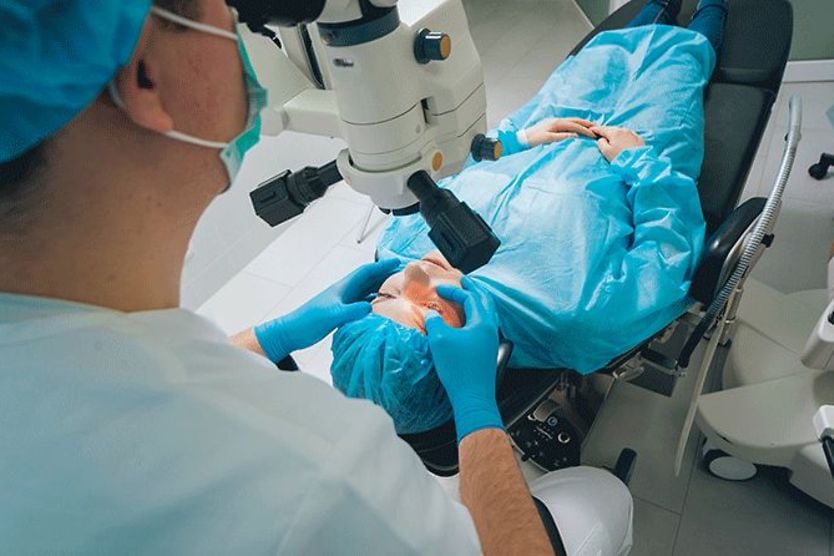
On the day of surgery, it is important to follow your surgeon's instructions. Remember to avoid cosmetics, creams and perfumes. Ensure you have someone to bring you home after the surgery.