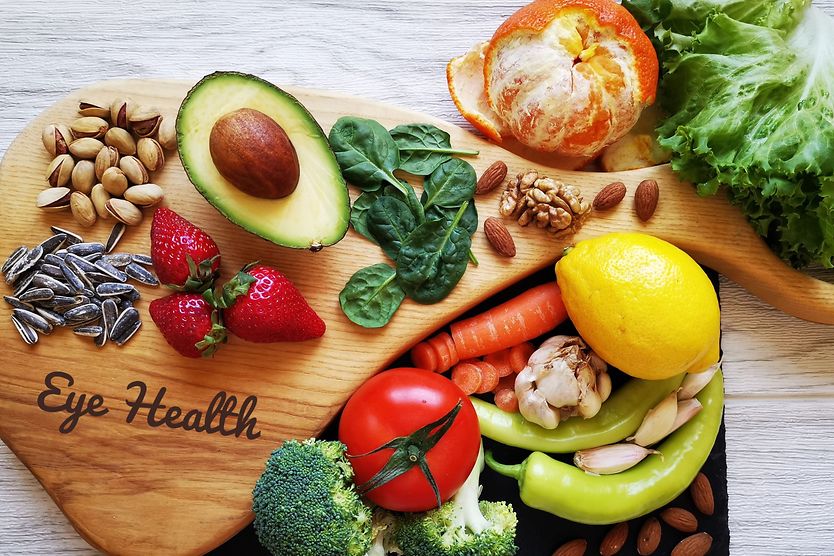
Age-related eye diseases such as age-related macular degeneration (AMD) and cataracts commonly cause impaired vision and vision loss in older adults.
But lifestyle changes, including good nutrition, could help delay or limit the risk of developing certain eye problems.
Besides adopting a healthy diet, you can help protect your eyes by taking steps like avoiding prolonged exposure to ultraviolet (UV) rays, quitting smoking and getting annual eye exams.
During a dilated eye exam, your eye doctor can carefully examine the health of your eyes and check for eye diseases such as macular degeneration, glaucoma and diabetic retinopathy. Detecting these conditions early may help slow or prevent vision loss.
Diet, antioxidants and healthy eyes
Diet is an important part of the daily lifestyle choices you make. Foods you eat can affect your overall health as well as the health of your eyes.
A diet high in saturated fat and sugar may increase your risk of eye disease. On the other hand, healthy foods such as greens and fruits may help prevent certain eye diseases and other health problems.
Studies have shown that cardiovascular disease, diabetes and eye conditions including cataracts and AMD tend to occur less frequently in people who eat diets rich in certain vitamins, minerals, healthy proteins, omega-3 fatty acids and lutein.
Healthy diets should generally include ample amounts of fresh, colorful fruits and vegetables. In fact, experts recommend that you consume at least five to nine servings of these foods daily.
Consider dark green or brightly colored fruits and vegetables to obtain the most antioxidants, which can protect your eyes by reducing damage related to oxidizing agents (free radicals) that can cause age-related eye diseases.
Lutein and zeaxanthin are plant pigments called carotenoids that have been shown to protect the retina from oxidative changes caused by ultraviolet light.
Spinach and kale are excellent food sources of lutein and zeaxanthin, which are also found in sweet corn, peas and broccoli.
Vitamin A, vital for healthy vision, is found in orange and yellow vegetables such as carrots and squash.
Fruits and vegetables also provide essential vitamin C, another powerful antioxidant.
SEE RELATED: Anemia and the eyes
Other diet tips for healthy eyes
These general diet guidelines may help support healthy vision. However, different people can respond to foods in different ways.
Talk to a doctor or registered dietitian before you change your diet or start taking supplements.

Certain supplements, such as those containing essential fatty acids and vitamin E, may be recommended by your eye doctor.
Consider these diet tips together your doctor or dietician:
Eat whole grains and cereals. Sugars and refined white flours commonly found in breads and cereal may contribute to your risk of age-related eye diseases. Instead, consider 100% whole-grain breads and cereals that have lots of fiber, which slows down the digestion and absorption of sugars and starches. Fiber also keeps you feeling full, which makes it easier to limit the amount of calories you consume.
Eat healthy fats. The omega-3 essential fatty acids found in fish, flaxseed oil, walnuts and canola oil may help to prevent dry eyes and possibly cataracts. Eat fish or seafood twice weekly, or take flax oil every day if your doctor or dietician recommends it. Consider canola oil for cooking and walnuts for snacking.
Choose good sources of protein. Remember that the fat content of meats and the cooking method used to prepare them can contribute to making them more or less healthy. Also, limit your consumption of saturated fats from red meats and dairy products that may increase your risk of macular degeneration. Consider lean meats, fish, nuts, legumes and eggs for your proteins. Most meats and seafood also are excellent sources of zinc. Eggs are a good source of lutein.
Avoid sodium. High sodium intake may add to your risk of cataract formation. Use less salt, and look for sodium content on the labels of canned and packaged foods. Stay below 2,000 mg of sodium each day. Choose fresh and frozen foods whenever possible.
Stay hydrated. Round out a healthy diet with low-fat dairy products such as skim or 1% milk for calcium, and healthy beverages such as 100% vegetable juices, fruit juices, non-caffeinated herbal teas and water. Proper hydration also may reduce irritation from dry eyes.
Eye vitamins and vision supplements

Wear sunglasses with 100% UV protection to help protect your eyes from the sun's harmful UV rays.
Even if you exercise regularly and eat a healthy diet with plenty of fruits and vegetables (and substitute fish for red meat a few times each week), your doctor may also recommend taking a daily nutritional supplement.
Two large, five-year clinical trials called the Age-Related Eye Disease Studies (AREDS and AREDS2) have provided valuable information about the benefits of vision supplements for AMD.
AREDS and AREDS2 specifically investigated the effect of taking a daily antioxidant multivitamin on the development and progression of AMD and cataracts among adults ages 55 to 80.
The original AREDS study found that a supplement containing the following ingredients reduced the risk of advanced AMD among study participants at high risk of vision loss due to pre-existing intermediate AMD (or advanced AMD in one eye) by 25%:
- beta-carotene (15 mg)
- vitamin C (250 mg)
- vitamin E (400 IU)
- zinc (80 mg)
The AREDS2 study investigated whether including or substituting other nutrients in the original AREDS formulation might provide even greater eye benefits.
Specifically, AREDS2 investigated the effect of adding either a combination of lutein and zeaxanthin (10 mg and 2 mg, respectively) or omega-3 fatty acids (350 mg DHA and 650 mg EPA) to the original AREDS supplement.
AREDS2 also removed beta-carotene from the original AREDS formulation, since other studies have found too much of this vitamin A precursor, particularly when taken in supplement form, is associated with increased risk of lung cancer among smokers and previous smokers.
AREDS2 also decreased the amount of zinc — from 80 mg in the original AREDS formulation to 20 mg — to reduce the potential for stomach upset some people experience when taking the higher dose.
Results of the AREDS2 study showed that use of a daily multivitamin supplement that also contained lutein and zeaxanthin (and no beta-carotene) reduced the risk of progression of AMD to advanced stages by up to 25%, with the greatest risk reduction occurring among participants whose diets were low in lutein and zeaxanthin at the time of enrollment in the study.
Daily multivitamin supplements containing omega-3 fatty acids (and no lutein, zeaxanthin or beta-carotene), on the other hand, failed to show any benefit toward reducing the risk of progressive AMD.
Neither AREDS nor AREDS2 found that use of daily multivitamins — with or without lutein/zeaxanthin or omega-3 fatty acids — prevented or reduced the risk of cataracts among the study participants.
Also, the AREDS and AREDS2 supplements did not prevent or reduce the risk of AMD among study participants who had no signs of macular degeneration at the onset of the five-year studies.
Another influential and large-scale nutritional study is the Blue Mountains Eye Study. Conducted in Australia, this study found that daily multivitamins and B vitamin supplements — especially those containing folic acid and vitamin B12 — reduced the risk of cataract formation in study participants. Results also showed that daily omega-3 fatty acid supplements also reduced the risk of cataracts.
The Blue Mountains Eye Study also reported on the long-term effects of adherence to a healthy diet. The study authors found that individuals who were 65 and older and had maintained a better diet had less risk of visual impairment over a 10-year follow-up period.
Based on the results of these and other studies, and because it can be difficult to obtain the same level of nutrients investigated in these studies by diet alone, your doctor may also recommend taking a daily eye supplement.
Supplements that contain at least these amounts of the following ingredients may be recommended:
- vitamin C (250 to 500 mg)
- vitamin E (400 IU)
- zinc (25 to 40 mg)
- copper (2 mg)
- vitamin B complex that also contains 400 mcg of folic acid
- omega-3 fatty acids (2,000 mg)
Supplements can interact with medications, conditions and other personal health factors. Always check with your doctor before you start a new supplement.
Talk to an eye doctor first
See an eye doctor for a comprehensive eye exam to check the health of your eyes and vision. During your appointment, you can also discuss diet changes and whether supplements are appropriate for you.