Vision Over 60
As you reach your 60s and beyond, you need to prepare for normal vision changes that can include cataracts. Also, be alert to warning
signs of more serious, age-related vision problems that could cause blindness. But wise lifestyle choices and regular
eye exams can significantly improve your chances of
maintaining good eye health even as you age.
Ten Warning Signs of Age-Related Eye Problems
Sudden eye pain or blurry vision could signal an emergency that may lead to permanent vision loss.
Never hesitate to visit your eye doctor if you have any of these warning signs.
How Your Vision Changes as You Age
Many vision changes are perfectly normal. But to compensate, you may need to take extra steps
such as more frequent changes of prescriptions for eyeglasses or contact lenses. Read up on what to
expect in the way of vision changes as you age, and what you can do to minimize problems.
SPONSORED SECTION:
AcrySOF IOL Quiz
Learn about the best intraocular lens options for you after cataract surgery with this quiz.
Safe Driving After 60
Age-related vision changes, such as loss of sharper night vision, mean you need to be extra cautious
to increase driving safety.
Eight Ways To Protect Your Eyesight
A few simple lifestyle choices, such as not smoking and eating healthy foods, really can improve your
chances of keeping your eyes healthy for a lifetime.
How Diet and Nutrition Protect Aging Eyes
Learn which foods and vitamin supplements are the best for maintaining eye health in older people.
SPONSORED SECTION:
AcrySOF IQ Cataract Lens
A cataract lens for better image quality, increased contrast sensitivity and improved functional vision.
SPONSORED SECTION:
AcrySOF Toric Cataract Lens
Now it's possible to correct the cataracts clouding your vision and the astigmatism distorting your vision all at once.
Sight Saving Tests for Older Eyes
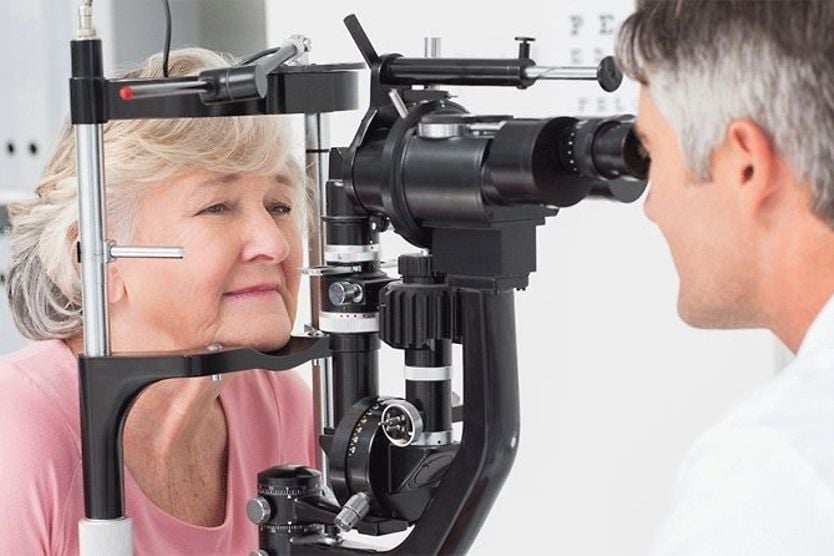
Regular eye exams can be vitally important, especially as we undergo age-related eye changes.
Tips for Coping With Vision Loss
Older people need proper vision correction and treatment to maintain quality of life and decrease the possibility of mishaps such as falls.
[Page updated November 2007]
|