Perimenopause, menopause and dry eye syndrome
Menopause affects the body in many ways, including your eye health. Studies suggest up to 79% of peri- and postmenopausal women experience dry eye, with around 37% of them having severe symptoms. Hormone fluctuations are to blame for menopausal dry eye symptoms, but there are ways to get relief.
Perimenopause is the stretch of time leading up to menopause. It usually begins between 45 and 55 years of age and may last four to 14 years. During perimenopause, the ovaries slow down hormone production and release eggs less frequently.
Eventually, the ovaries stop working, and ovulation and menstruation come to an end. After 12 months of not having a period, menopause begins. Many of the changes that occur during perimenopause and menopause are caused by hormone fluctuations.
As the ovaries slow, they produce less estrogen and androgens. These are important sex hormones that affect many areas of health, including the eyes and vision. One common way that the changes in these hormones affect the eyes is in new or worsening dry eye symptoms.
Dry eye syndrome, or dry eye disease (DED), is a condition that happens when the tear film can’t lubricate the eyes properly. It may result from the inability to make enough tears. It may also occur when the tears being produced lack one or more of their three layers: water, oil and lipid.
This can cause the eyes to feel tired, gritty and irritated. If left untreated, chronic dry eyes can cause damage to the cornea, which may affect vision.
SEE RELATED: Risk factors that can affect women’s vision
How menopause affects the eyes
Dips and spikes in hormone levels can affect the eyes in several ways. For one, hormone variations cause changes in corneal thickness. This may cause vision to change or become blurry.
Menopause can raise your intraocular pressure (IOP)— the pressure within the eye. IOP and other factors influenced by menopause are associated with glaucoma.
Experts have also discovered risks associated with early menopause. Early menopause is when the final period occurs before age 45. People who experience early menopause are at an increased risk of having an eye stroke.
These vision-related changes are possible after menopause. But one of the many commonly experienced changes is decreased tear flow. This increases dry eye symptoms, such as eye redness, burning and heaviness.
Causes
The link between menopause and dry eye may stem from the different hormones that are — and aren’t — produced.
The meibomian glands are in the upper and lower eyelids and release an oil called meibum. When we blink, the meibum is released and our eyelids spread it across the eye’s surface. This creates a smooth hydration barrier that keeps tears from evaporating.

The secretion of meibum is controlled by androgens. Androgens are also sex hormones, like estrogen. They are produced by both males and females. However, males produce more androgens, and females produce more estrogen.
One of the reasons females experience dry eyes more often than males is because they have lower levels of androgens to begin with. Menopausal women only have 30% of peak androgen levels, which means oil secretion is weak.
Weak oil secretion causes instability in the tear film. This makes tears evaporate quicker than normal, which is known as evaporative dry eye.
Hormone replacement therapy (HRT)
Another way menopause is related to dry eyes is the use of hormone replacement therapy (HRT). HRT is a treatment that may relieve the symptoms of perimenopause. There are two types of menopausal hormone therapy: estrogen only and estrogen plus progesterone (another female sex hormone).
Adding these hormones back into the body may help with some symptoms of menopause, like hot flashes and hair growth. However, estrogen’s effect on oil production is the opposite of androgens’.
Estrogen inhibits oil secretion, which prevents androgens from helping meibomian gland function. This suggests that estrogen therapy may promote meibomian gland dysfunction, which leads to dry eye.
Estrogen and androgens affect more than just the meibomian glands. They also have an effect on the lacrimal glands, which produce the aqueous (watery)layer of tear film.
The lacrimal gland is a target organ for androgens, meaning the hormones regulate the gland’s structure and function. Androgens increase proteins in the lacrimal gland, which promotes fluid secretion.
Estrogen has the opposite effect of androgens on the lacrimal gland, just as it does for the meibomian gland. It blocks the androgens’ stimulation of tear production. This leads to an underproduction of water-based tears, which is known as aqueous-deficient dry eye.
Symptoms
Perimenopausal dry eye has the same symptoms as dry eye caused by other factors. While the frequency and severity can range from person to person, common symptoms of dry eyes include:
- Feeling scratchy or gritty
- Burning or itching
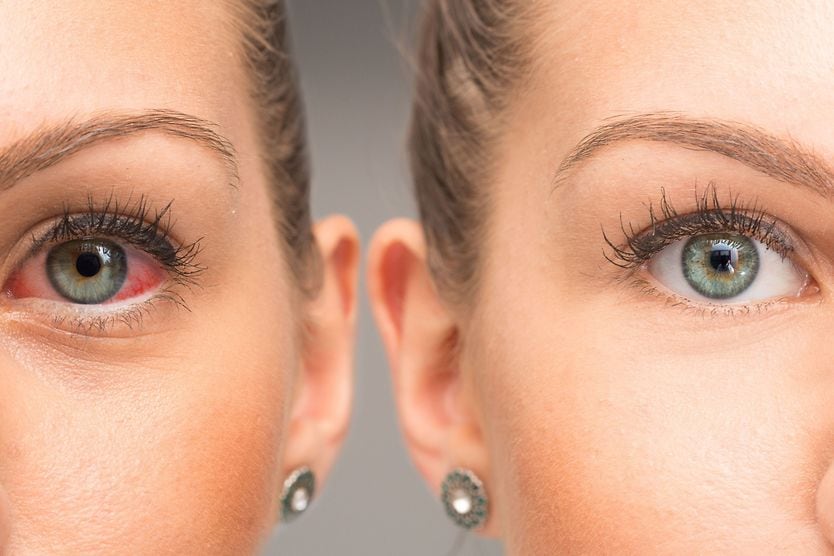
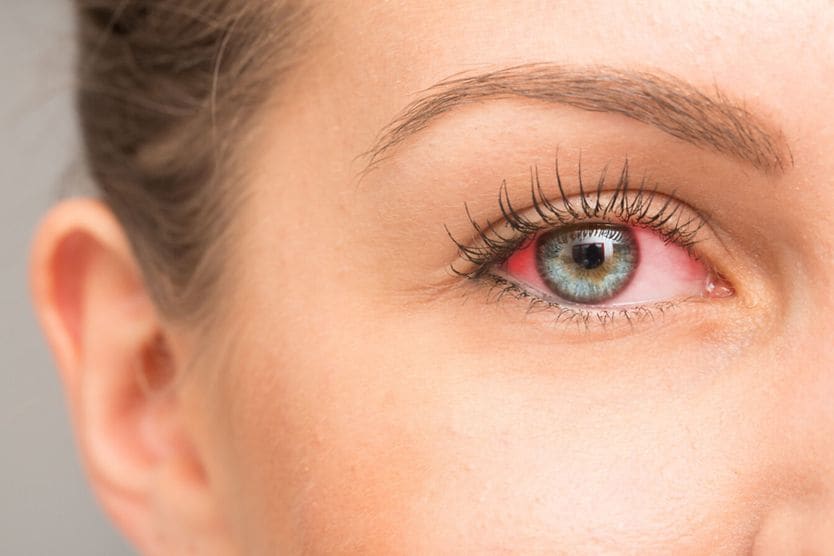
- Looking red or bloodshot
- Watering or tearing
- Being “glued shut” by mucus after sleeping
- Having blurred vision
- Being sensitive to light (photophobia)
If your dry eye symptoms are associated with an underlying cause, like blepharitis, there may be other characteristics present. An eye doctor can determine if any of the dry eye symptoms listed may affect your ability to see.
LEARN MORE: Infographic: Dry eye syndrome
Treating menopausal dry eye
As mentioned earlier, hormone replacement therapy can increase the risk of dry eye or worsen existing symptoms since estrogens slow down tear production. Estrogens also inhibit inflammation, including the inflammation associated with dry eye.
While studies have shown some success in using progesterone eye cream or estrogen eye drops to manage dry eye, neither are available as dry eye treatment options.
Testosterone — the main androgen produced by the body — may help relieve menopausal dry eye. While also not readily available as a treatment for dry eye, testosterone is prescribed by some dry eye specialists in the form of compounded eye drops or a gel from specialized pharmacies.
Fortunately, many people find relief for menopausal dry eye by using prescription or over-the-counter eye drops, gels or ointments.
Eye drops, gels and ointments
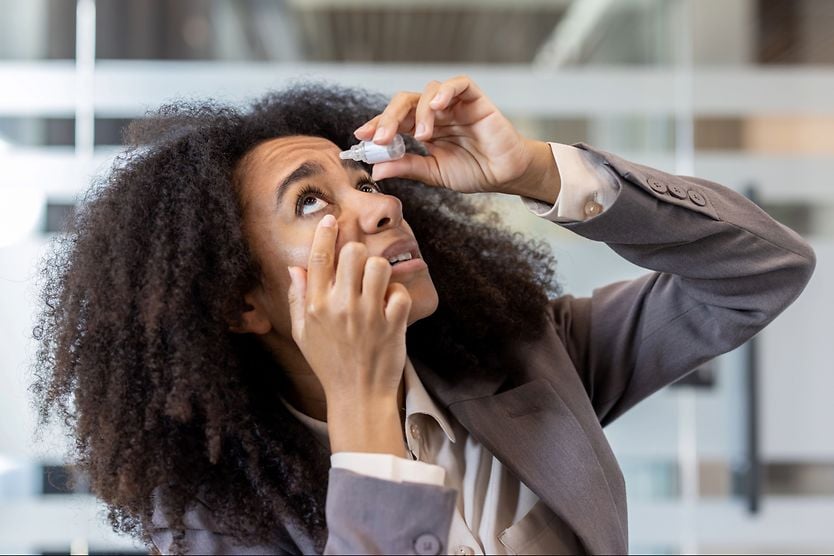
A common treatment for menopausal dry eye is over-the-counter (OTC)or prescription eye drops. Eye drops help moisten the eye and relieve the grittiness and irritation associated with dry eye.
When purchasing OTC eye drops, make sure the drops are preservative free. This can reduce the chance for additional eye irritation. Check the product packaging for mentions of preservatives. Preservative-free drops normally have this detail printed on the box.
The trick to using artificial tears is to not wait until the eyes start feeling dry. Rather, apply them on a set schedule, like every six hours, in order to prevent the eyes from drying out.
People with severe dry eye may benefit from an OTC gel or ointment for menopausal dry eye treatment. These have thicker consistencies, which can make them more effective than regular eye drops.
However, the consistency can cause vision to blur when applied. For this reason, users normally apply them at bedtime.
Chronic dry eye may need prescription eye drops for relief. Cyclosporine formulations (there’s a few different types), works with your tear film to help your eyes produce more tears naturally. Acoltremon, lifitegrast and perfluorohexyloctane can help manage the signs and symptoms of dry eye disease.
There is also a nasal spray that contains varenicline. Varenicline nasal spray helps the eyes form more tears and meibum and does not require putting anything directly in the eyes.
Eye drops and nasal spray options can have adverse effects if not used correctly. Ask your doctor what they recommend for your symptoms and how to use them for optimal results.
Home remedies and lifestyle changes
Menopausal dry eye is caused by hormone changes, which can be difficult to address without medical help. However, there are some things you can do (and avoid)at home to keep dry eye from getting worse.
Some things you can do from home to help menopausal dry eye include:
- Using a humidifier in rooms where you spend a lot of time. This adds moisture to the air and can offset the effects of a dry environment.
- Drinking water to prevent dehydration. There’s no official amount of water that would make someone hydrated. But eight to 10 glasses of water each day is recommended.
- Sleeping for seven to eight hours every night.
- Wearing wraparound sunglasses or goggles when exposed to dry, cold or windy weather.
- Taking fish oil or omega-3 supplements.
- Applying warm compresses to the eye. This helps promote oil production from the meibomian glands, which can ease dry eye symptoms.
To help manage dry eye, avoid:
- Smoking or being around smoke.
- Spending time in dry, cold and windy conditions.
- Sleeping with a bedside fan or ceiling fan blowing on your face.
- Spending too much time looking at a digital screen, including a computer, smartphone or tablet.
SEE RELATED: How do climate and humidity affect the eyes?
Complications
If left untreated, complications of dry eye can develop. Complications can range from mild to severe and often cause pain or discomfort. Some of the more severe complications include:
- Keratitis – inflammation of the front surface of the eye
- Corneal ulcer – an open sore on the front surface of the eye that results from untreated keratitis
- Corneal abrasion – a tear in the cornea, which often occurs when eyes become dry at night
- Corneal scarring – a scar that develops on the cornea that can distort vision
To maintain healthy eyes and vision, treat dry eye symptoms with drops, gels or ointments. Discuss your symptoms with an eye doctor who can help you determine which treatment method will be effective.
When to see an eye doctor
With the other changes that occur during menopause and perimenopause, dry eyes may seem like an insignificant problem. However, untreated dry eye can be painful, cause corneal damage and have a serious impact on vision.
If you find that home remedies and OTC eye drops bring little improvement to your eye dryness, see an eye doctor. They can examine your symptoms and suggest treatment options that provide relief for menopausal dry eye.
READ MORE: Women's Eye Health & Safety Month