LASIK and PRK:
Frequently Asked Questions
What is laser vision correction?
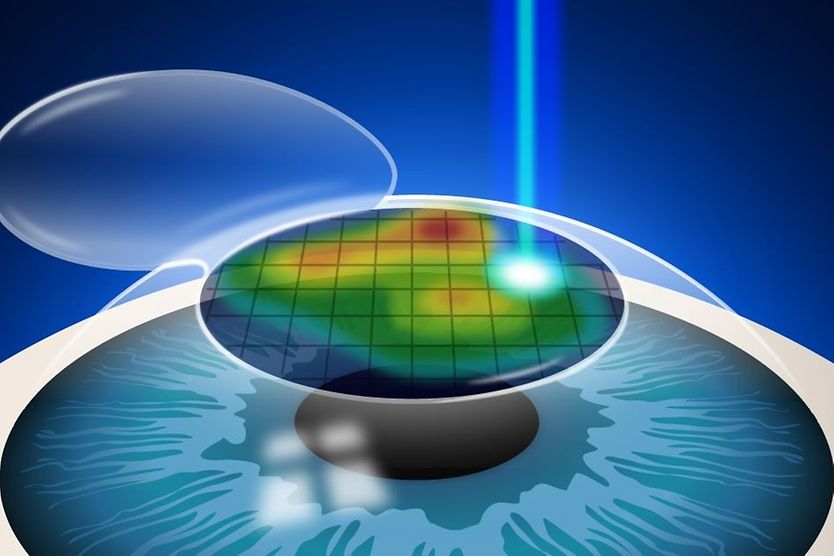
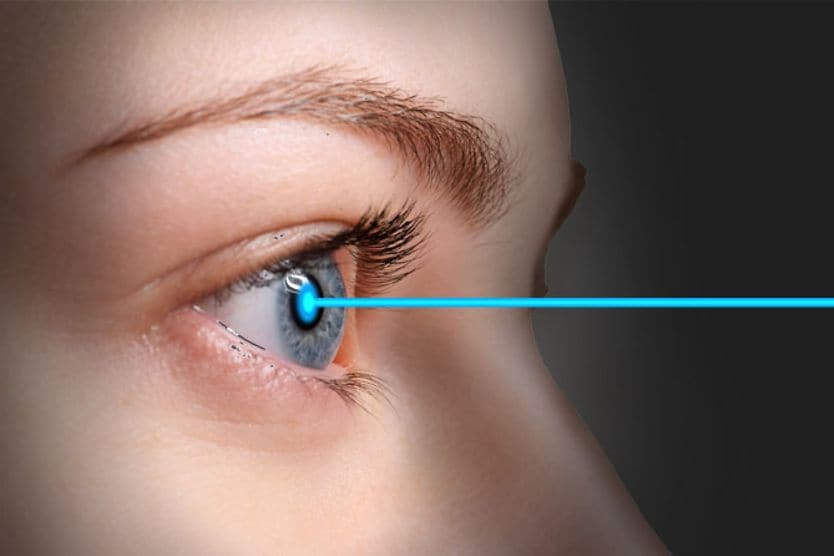
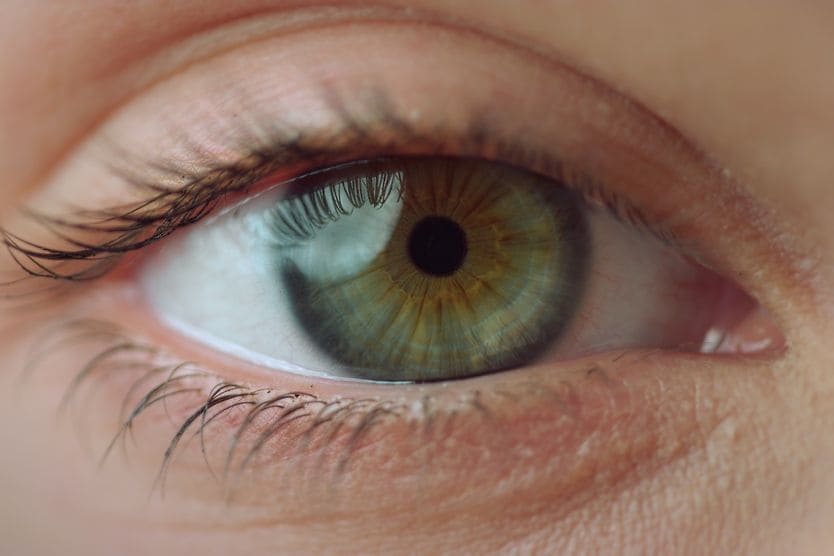
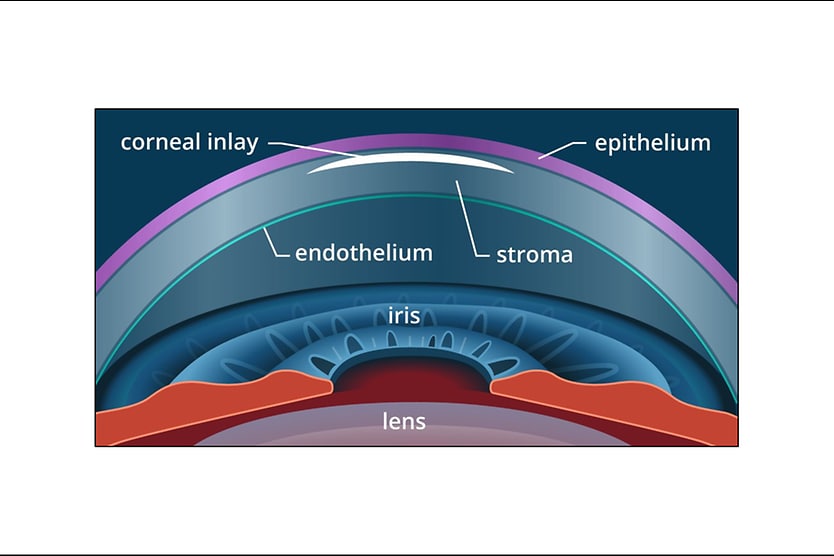
It is a surgical procedure that uses a cool (non-thermal) beam of light to gently reshape the cornea the surface of the eye to improve vision. The laser removes microscopic bits of tissue to flatten the cornea (for nearsightedness), steepen the cornea (for farsightedness), and/or smooth out corneal irregularities (for astigmatism).
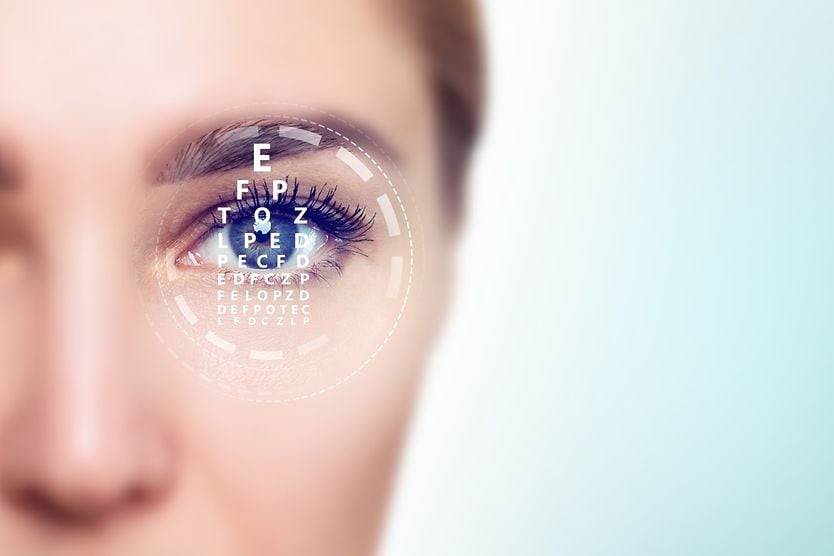
The goal of laser eye surgery is to change the shape the cornea so it does a better job of focusing images onto the retina, for sharper vision. LASIK and PRK are two types of laser vision correction.
Are LASIK and PRK safe?
The FDA recognizes LASIK and PRK as proven, safe and effective. Laser vision correction uses a cool (non-thermal) beam of light that is computer controlled. The surgeon turns the laser on and is able to turn it off at any moment. There are many safeguards in place to reduce the risk of error. However, there are risks associated with any surgical procedure.
Although no one knows the exact number of complications, studies suggest that the incidence of minor difficulties such as dry eyes and nighttime glare is around 3 percent to 5 percent, while the risk of serious incidents such as lost vision is thought to be less than 1 percent. There are no known cases of blindness from LASIK or PRK. Read more about outcomes and complications.
Can I have both eyes done at the same time?
Most surgeons perform LASIK on both eyes at the same time. Because it takes longer for clear, comfortable vision after PRK, many surgeons will wait a week or two between eyes for PRK.
How is eye laser surgery different from previous types of refractive eye surgery?
Current FDA-approved laser vision correction methods, such as LASIK (laser-assisted in situ keratomileusis), have a higher predictability of the final result with a lower incidence of complications. Additionally, older techniques typically involved manually performed incisions rather than automated lasers for correction.
Does laser vision correction hurt?
You won't feel pain during LASIK or PRK, because your surgeon will place anesthetic drops in your eye first. Afterward, he or she may prescribe medication if necessary. Many LASIK patients report no more than mild discomfort for a day or so often it's an itchy feeling, as if sand were in the eye. There is more discomfort after PRK because the procedure exposes the deeper layers of the cornea. For clear and comfortable vision after PRK, protective surface cells have to grow back over the treated area. This process can take two weeks or longer.
How long does LASIK take?
The laser treatment itself usually takes less than a minute, while the entire procedure takes around 15 minutes per eye.
How do I know if I'm eligible for laser vision correction?
Your eyecare practitioner can help you decide, but below are some general guidelines to check out before your doctor visit:
- You must have healthy eyes no glaucoma, infection, cataracts, severe dry eye, or any other condition that would affect postoperative healing.
- You must be an adult: at least 18 for some procedures and at least 21 for others.
- Your vision must be stable for at least a year before surgery.
- If you're pregnant or nursing, your hormonal levels can affect the shape of your eye. You'll need to wait until hormones are back to normal levels.
- You cannot have a degenerative or autoimmune disease, since this would affect healing.
What happens before laser eye surgery?
Your eyecare practitioner will give you a thorough eye exam to make sure your eyes are healthy and you're a suitable laser vision correction candidate. He or she will test for glaucoma, cataracts and other disqualifying conditions. He or she will also use a machine called a corneal topographer to photograph and electronically map your eye. The surgeon will use this map to plan your surgery for the most precise results possible.
What happens on the day of treatment?
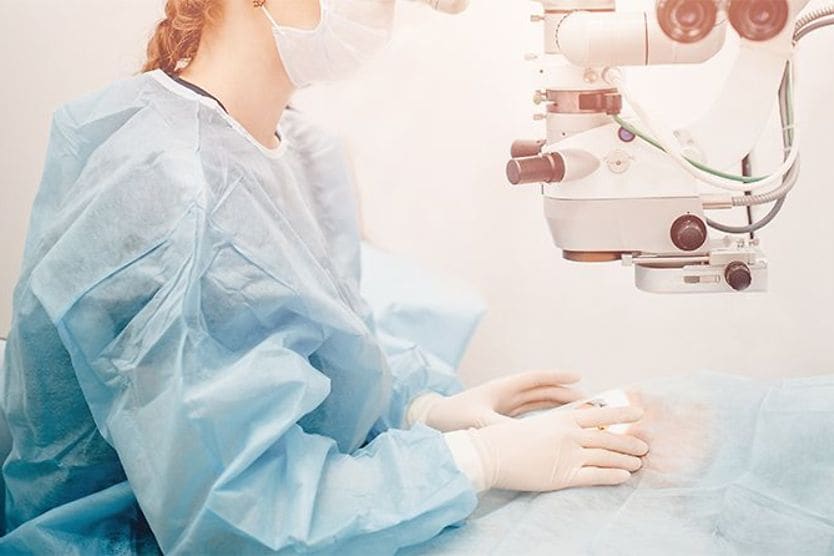
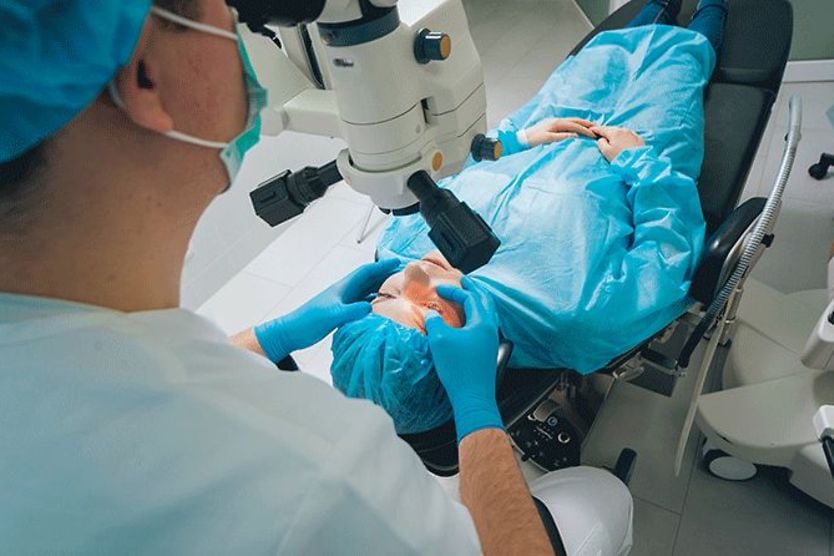
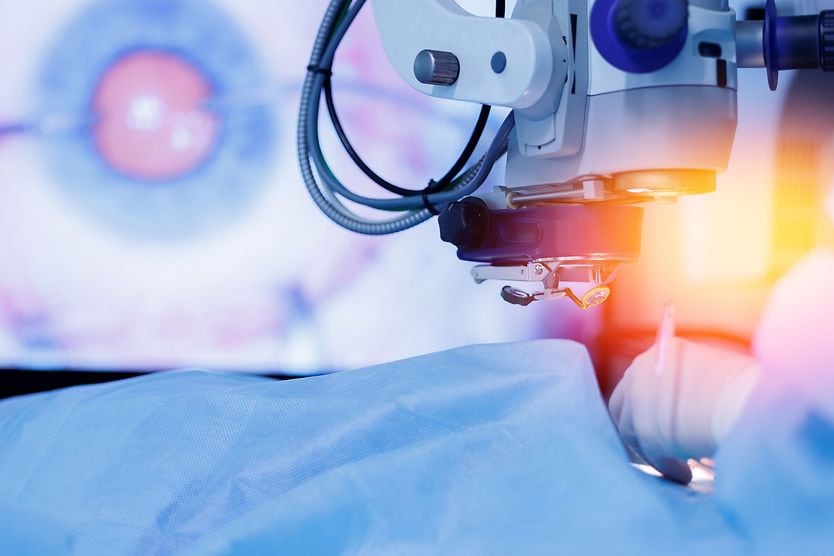
LASIK and PRK are outpatient procedures, which means you'll spend around an hour at the surgeon's office and walk out afterwards. Someone else should drive you home, since your vision might be a little blurry right after surgery.
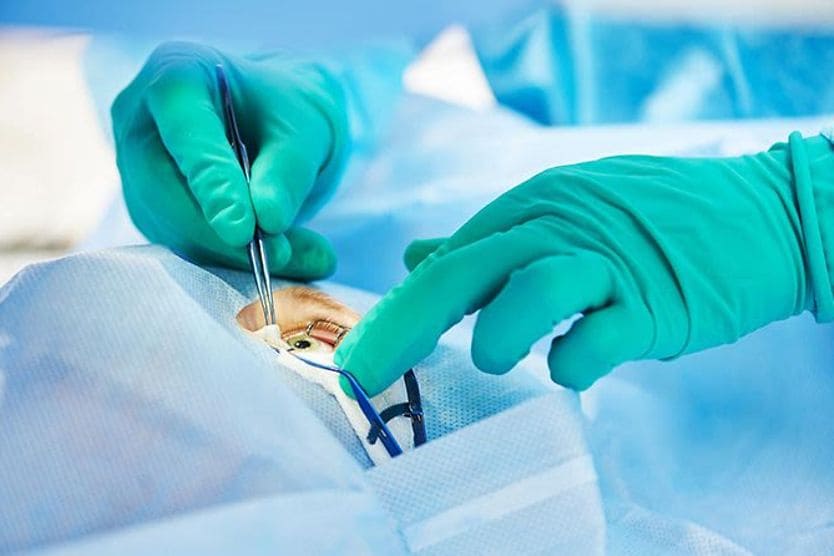
You'll lie down in a reclining chair. The surgeon will place anesthetic drops in your eye, position your head under the laser and place an eyelid speculum (retainer) in your eye to hold the lids open.
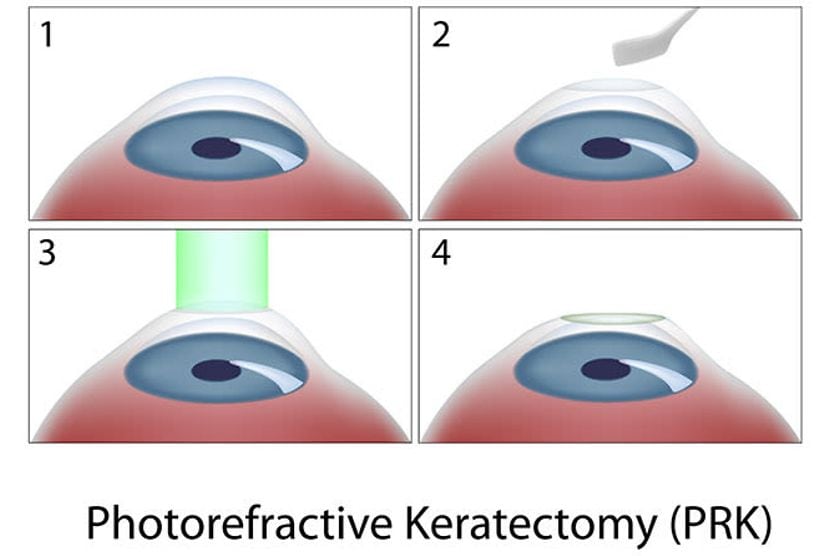
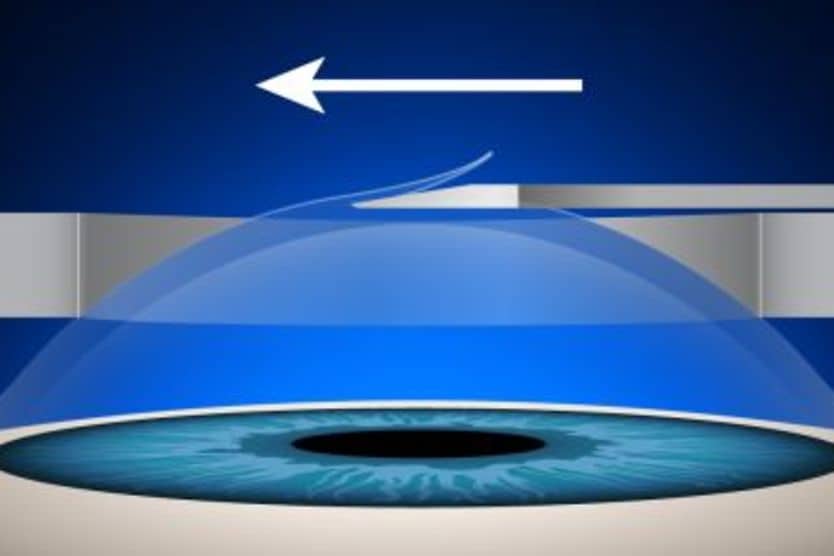
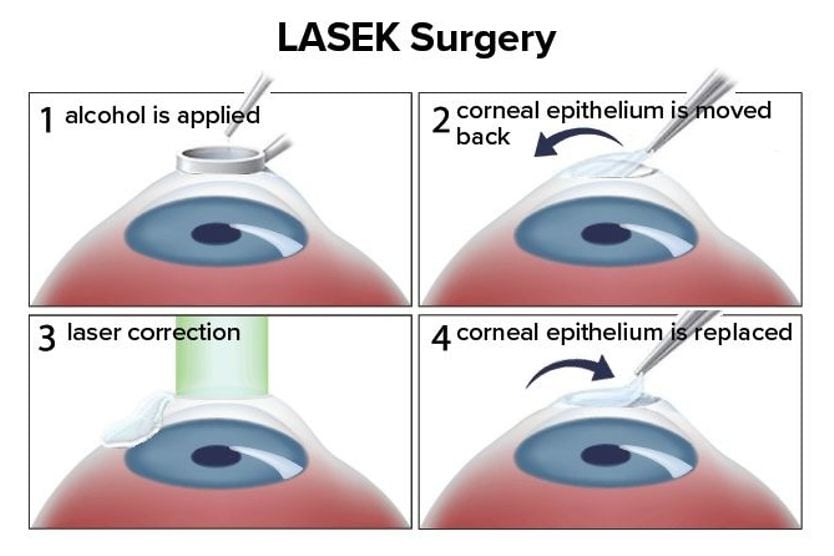
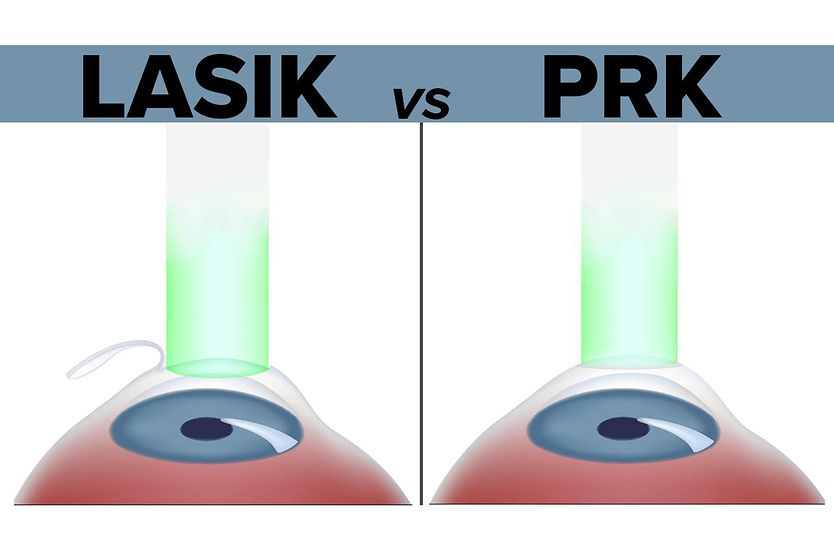
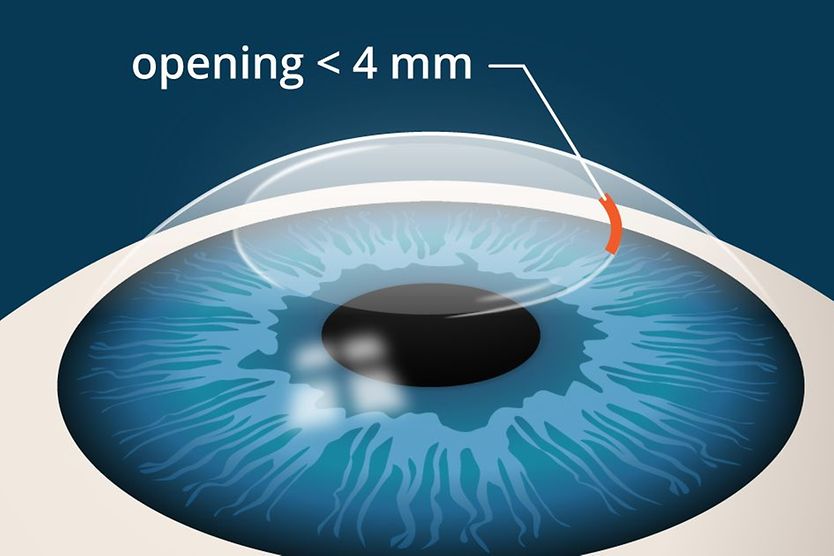
In LASIK, the surgeon creates a thin flap in the top of the cornea, folds it back out of the way, uses the laser to remove some corneal tissue, then puts the flap back in place. If you're having PRK, the laser removes the outer layer of the cornea.
Read more about the LASIK and PRK procedures.
What happens afterward?
The surgeon will place drops or ointment in your eye. You may relax for a little while, then go home and rest. You'll probably notice clearer vision immediately, and it may improve even more as the weeks go by.
When may I resume driving?
You may begin driving as soon as you see well enough, excluding the day you had LASIK or PRK performed.
Can I go back to work right away?
Some people return to work the next day, but surgeons usually recommend two or three days of rest instead.
When may I go back to wearing makeup?
You may resume wearing makeup about one week after your surgery. However, throw out your old makeup and buy new to decrease your risk of infection.
Are there any side effects?
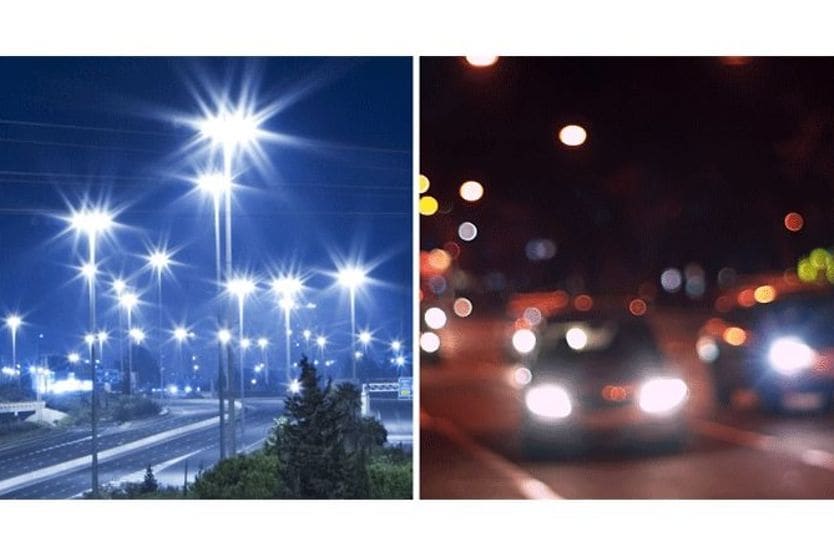
Some people experience dry eye, which usually is alleviated with drops and disappears over time. Others may experience starbursts or halos around lights, especially at night. Usually this effect lessens or disappears over time, too. In a small number of people (probably less than 1 percent), their vision worsens rather than improves. Read more about the risks of side effects.
How many checkups will I need after LASIK?
Depending on your surgeon, you will probably return the next day, then one week or one month later and then three months later. Your doctor will let you know if more visits are necessary after that.
What if time passes and I'm not seeing better?
A small number of patients see well after surgery then experience regression, a gradual worsening of vision. If this happens, you'll want to consult with your eyecare practitioner to determine the cause and to see if retreatment (enhancement) is appropriate.
How much does laser vision correction cost?
There is no one answer, since fees vary from one surgeon to the next. Prices range from less than $1,000 per eye to more than $2,000 per eye. The average is about $1,575 per eye.
Read more about laser vision correction costs and financing.
I have more questions about LASIK. Who should I ask?
The absolute best source of information about LASIK is a LASIK surgeon, and most provide free consultations. All you have to do is make an appointment. 
[Page updated May 2007]
- Learn about iLASIK advanced laser vision correction
- Tears Again Hydrate gels contain omega-3 fatty acids to treat dry eyes
- Get no-interest financing on LASIK today from CareCredit
- Don't have LASIK until you've read this...
- Similasan eye drops relieve and soothe dry eyes after LASIK


Reproduction of any images or text from this website is prohibited by copyright law.