What is glaucoma?
Glaucoma is the term used to describe a number of related conditions that cause damage to the optic nerve, which transmits information from the eye to the brain. It usually (but not always) is associated with high intraocular pressure (IOP). Left untreated, glaucoma can cause blindness.
What's the difference between glaucoma and ocular hypertension?
Ocular hypertension is another term for high eye pressure. In ocular hypertension, IOP is higher than normal but does not cause optic nerve damage and vision loss. Ocular hypertension is a risk factor for glaucoma and should be monitored closely.
Why does my eye doctor want to do more than one kind of glaucoma test?
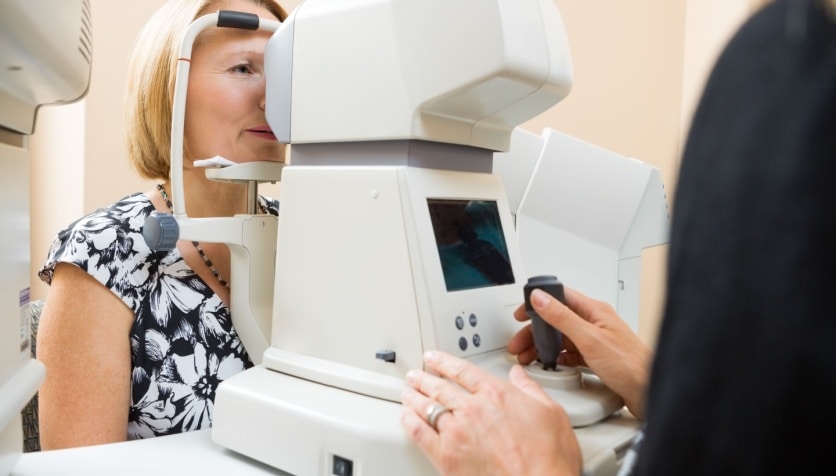
The two most common types of glaucoma tests performed during a routine eye exam are non-contact tonometry and applanation tonometry.
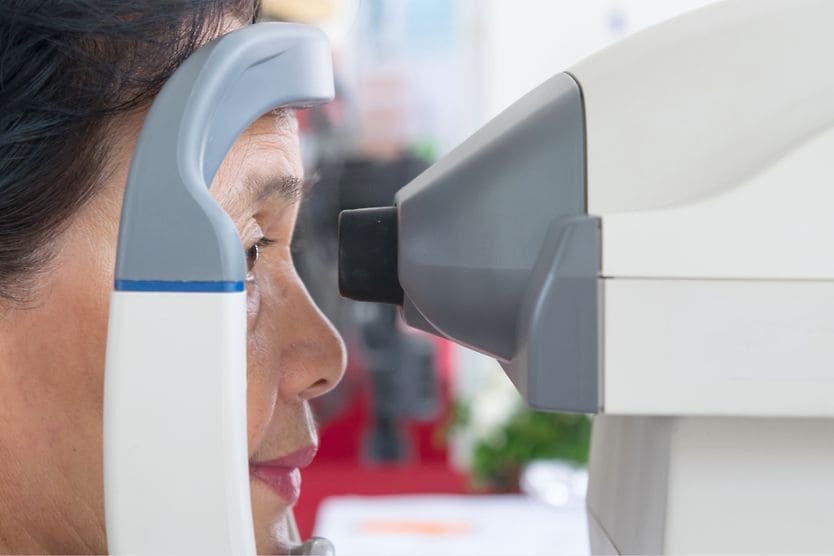
In non-contact tonometry (NCT), an instrument emits a quick puff of air toward the surface of your eye. Nothing but air touches your cornea.
Though the air puff test typically is a very accurate way to determine the pressure within your eye, it is considered a screening measurement. The "gold standard" method for measuring eye pressure is called applanation tonometry.
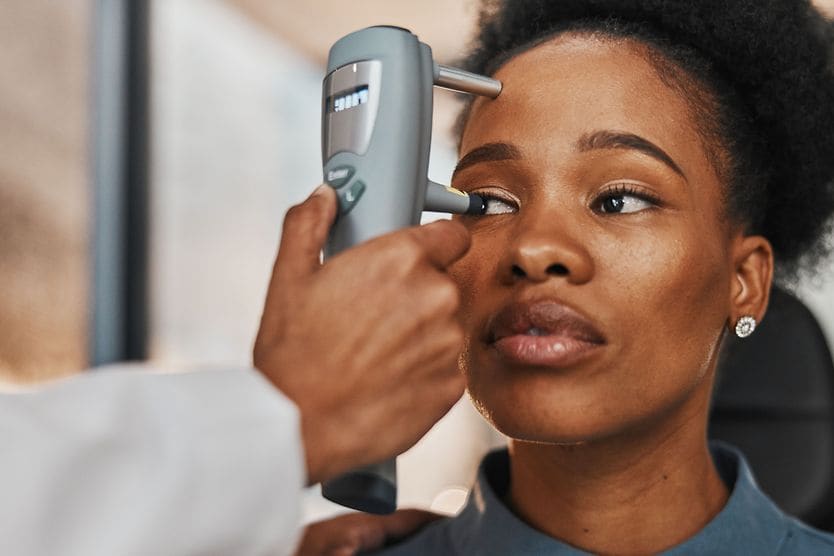
In applanation tonometry, the instrument that measures your intraocular pressure has a small sensor that gently touches the surface of your eye for a few seconds. Numbing eye drops are applied to your eyes so you don't feel the sensor (which is smaller than a contact lens)touch your eye.
If you have an air-puff test performed during your eye exam, your eye doctor might want to recheck the pressure measurement by performing applanation tonometry (especially if your NCT measurement is borderline high).
Your doctor may also want to dilate your pupils to directly examine and photograph your optic nerve, or to check for vision loss with a visual field test.
Who is most at risk for glaucoma?
If you're over age 60, African American, diabetic or have a family member with glaucoma, you are at higher risk for glaucoma than others.
The age at which people typically are diagnosed with glaucoma is after 60, making it much more common in older adults, but glaucoma can occur at any age. In fact, congenital glaucoma (also called developmental glaucoma ), although rare, exists from birth.
Is glaucoma hereditary?
Primary, open-angle glaucoma is the most common form of the disease, and it is hereditary. If anyone in your immediate family, particularly a parent or grandparent, has been diagnosed with glaucoma, your are four to nine times more likely to end up with the condition.
Can glaucoma be caused by stress?
Studies suggest that stressful situations may provoke elevated IOP in open-angle glaucoma patients and could also increase the risk of acute angle-closure glaucoma in people with narrow drainage angles in their eyes. Relaxation exercises and meditation may be helpful to reduce psychological stress that could put you at greater risk of glaucoma.
Is there any way to prevent glaucoma?
While glaucoma can't be cured, you can reduce your risk for the disease by maintaining a healthy lifestyle. If you're wondering whether there are foods you should avoid to prevent glaucoma, there isn't really an answer aside from maintaining an overall healthy diet.
Researchers are studying whether certain nutrients might lower a person's risk for glaucoma, but no definitive evidence currently exists to support using nutritional supplements as a means of preventing glaucoma.
Optometrists' primary recommendation is to avoid smoking and excessive alcohol intake, eat a healthy diet, reduce caffeine consumption, keep your weight down, exercise and see your eye doctor on a regular basis to monitor your eye health.
What foods should I avoid if I have glaucoma?
If you have glaucoma, it is recommended to limit foods high in trans-fatty acids, as well as baked goods like cakes and cookies and deep-fried foods. Plus, eating a diet rich in leafy greens, omega-3 fatty acids (like salmon and halibut), fruits and vegetables with high amounts of vitamins A and C, and whole-grain breads is recommended by glaucoma specialists to at least aid in prevention.
What are the signs and symptoms of glaucoma?
There are usually no signs that you're developing glaucoma until vision loss occurs, which is why it's so important to have regular eye exams. Your eye doctor can detect and treat high intraocular pressure before it progresses to optic nerve damage and vision loss.
The exception to this is acute angle-closure glaucoma, which occurs suddenly and causes headache, severe eye pain and nausea. Acute angle-closure glaucoma is a medical emergency and IOP needs to be reduced medically within hours to prevent vision loss.
Is glaucoma painful?
Eye doctors are commonly asked, "what does a glaucoma attack feel like?" As mentioned, the type of glaucoma most often experienced typically has no symptoms until loss of vision sets in, and it is rarely painful.
However, in the much less-common occurrence of acute angle-closure glaucoma, IOP increases suddenly and can cause severe eye pain, headaches, nausea and vomiting, and even, in some circumstances, clouding of the cornea.
What are the different types of glaucoma?
Primary open-angle glaucoma (POAG) is the most common form of glaucoma. Other types of glaucoma include: narrow-angle glaucoma, secondary glaucoma, developmental glaucoma and normal-tension glaucoma.
Is glaucoma curable?
Vision loss from glaucoma cannot be reversed. Routine eye exams are essential to discover glaucoma early and begin glaucoma treatment before significant vision loss has occurred. There is no outright cure for glaucoma, but with prompt diagnosis and proper treatment, it can be successfully managed.
What percentage of glaucoma patients go blind?
Only about 5% of those of European descent go blind as a result of glaucoma, although that number doubles for African Americans and is two to three times higher for those with angle-closure glaucoma.
About 15% of glaucoma patients will lose the ability to read or see up close in one eye.
What glaucoma treatments are currently available?
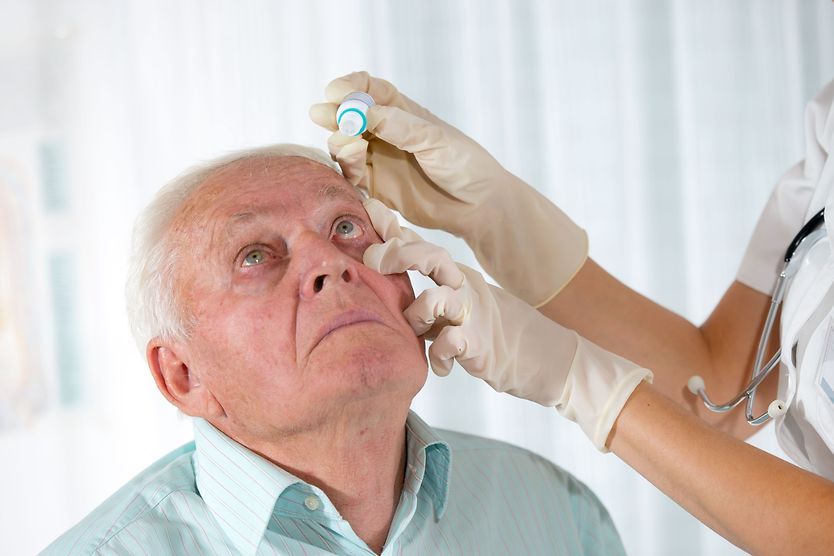
Doctors usually prescribe glaucoma eye drop medications that reduce intraocular pressure. These are used one or several times a day, depending on the medication.
If the drops don't work, glaucoma surgery may be the next step. In some cases, surgery might be the first option for glaucoma treatment.
Can marijuana be used to treat glaucoma?
The possible use of marijuana for the management of glaucoma has been debated for years.
Interest is based on studies that have shown cannabis, when smoked or ingested orally, is capable of mildly reducing IOP for about three hours.
However, given its short-term activity, side effects, and because it's not as effective as FDA-approved glaucoma medications and treatments, the American Academy of Ophthalmology and most eye doctors do not recommend marijuana for glaucoma treatment.
Can I have LASIK surgery if I have glaucoma?
People being treated for glaucoma typically are not good candidates for LASIK. This is because a suction device is used on the eye during the creation of the corneal flap during LASIK surgery, and this briefly causes a significant increase in intraocular pressure.
But you might be a candidate for another type of vision correction surgery, such as PRK, which does not require the use of a suction device.
Can I drive with glaucoma?
Unless you have experienced substantial vision loss, you should be able to drive safely with glaucoma. Talk to your eye doctor about any necessary vision correction to ensure you can see clearly enough to pass your state's Department of Motor Vehicles' vision test and drive safely.