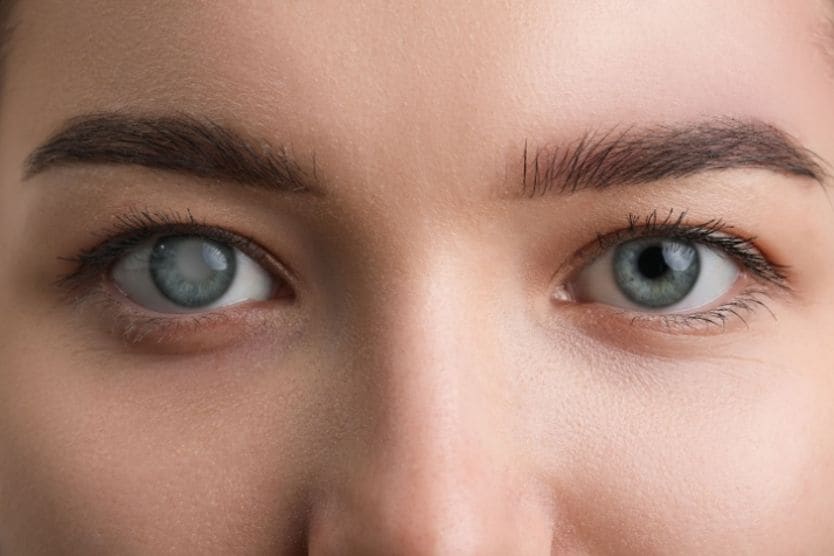
Macular degeneration is a condition in which the eye's
macula
breaks down, causing a gradual or sudden loss of central vision.
2. Is there a difference between macular degeneration
and age-related macular degeneration?
Macular degeneration is usually age-related, affecting people over 65, so the terms are
often used interchangeably. However, certain drugs can cause macular degeneration,
and some cases are inherited as well.
3. Is it true that macular degeneration is a growing problem?
Yes. Dr. Burt Dubow, optometrist and AllAboutVision.com board member,
explains, "Experts think there are a number of reasons for this: more
ultraviolet light
in our environment due to a thinning ozone layer, people living longer,
environmental pollutants, smoking, poor diet, obesity, etc." Another factor may be our
aging population, since the risk for macular degeneration rises with age.
4. Who's at the most risk for macular degeneration?
If you're over age 65, a smoker, white or have a family member with
macular degeneration, you have an increased risk for macular degeneration.
You're also at risk if you take these drugs: Aralen (chloroquine) or phenothiazine
derivatives [Thorazine (chlorpromazine), Mellaril (thioridazine), Prolixin (fluphenazine),
Trilafon (perphenazine) and Stelazine (trifluoperazine)].
5. Is there any way to prevent macular degeneration?
Doctors aren't sure how to prevent macular degeneration. Research suggests
that ultraviolet light (and possibly blue light) factors into the problem, so sunglasses
could be very beneficial. Read more about sunglasses.
What you eat also affects your macula. Researchers think that antioxidants
(vitamins A, C and E), zinc, lutein, zeaxanthin and essential fatty acids all can aid
in preventing macular degeneration. Read more about nutrition and eye health.
Exercising and quitting smoking might also be helpful.
An Amsler grid consists of straight lines, with a reference dot in the center. But someone with macular degeneration
might see some of the lines as wavy or blurred, with some dark areas at the center.
Click here to try an Amsler grid test yourself.
6. What are the signs and symptoms of macular degeneration?
Early signs include: straight lines appearing wavy, fuzzy vision, and shadowy
areas in your central vision. Your eye doctor may find indicators before you have
any symptoms, so regular eye exams can mean an early diagnosis.
One way to tell if you are having these vision problems is to view an Amsler grid, which is a
chart of black lines arranged in a graph pattern. Click here to see how an Amsler grid works.
7. What are the different types of macular degeneration?
Macular degeneration is classified as either dry or wet. The dry form is more
common than the wet (about 90 percent of patients). It may result from the aging and
thinning of macular tissues, depositing of pigment in the macula or a
combination of the two.
In the wet form, new blood vessels grow beneath the
retina
and leak blood and fluid. This leakage causes retinal cells to die and creates
blind spots in central vision.
8. Is macular degeneration curable?
No, but treatment can slow or even stop the progression of the wet form,
so the earlier you're diagnosed, the better.
9. What macular degeneration treatments are currently available?
Lucentis received FDA approval in June 2006 for treatment of wet macular degeneration, and has shown very positive results for preventing additional
vision loss. Vision often is improved with Lucentis. The drug works by preventing development of abnormal blood vessels in the inner back of the eye, as
does another FDA-approved drug known as Macugen. [Read more about the newest
FDA-approved treatments for macular degeneration.]
Visudyne was the first drug therapy for the wet form of age related macular degeneration
(specifically, patients with predominantly classic subfoveal choroidal neovascularization).
Visudyne is used in combination with a laser in a type of treatment called photodynamic therapy.
Visudyne can stabilize or even improve vision.
Photocoagulation
is a type of laser surgery that can sometimes slow vision loss in patients with the
wet form of macular degeneration.
Some doctors also recommend antioxidant and zinc supplementation, which a
recent study found to reduce patients' risk of developing advanced AMD by 28
percent.
Read more about the study in our macular degeneration article.
Macular degeneration patients who develop
low vision can use
special devices to help them read, use a computer and more. Read more about
reading aids for low vision.
250 million people worldwide are blind or visually impaired simply because they don't have access to an eye exam and a pair of glasses. Learn how you can help.