What is uveitis?
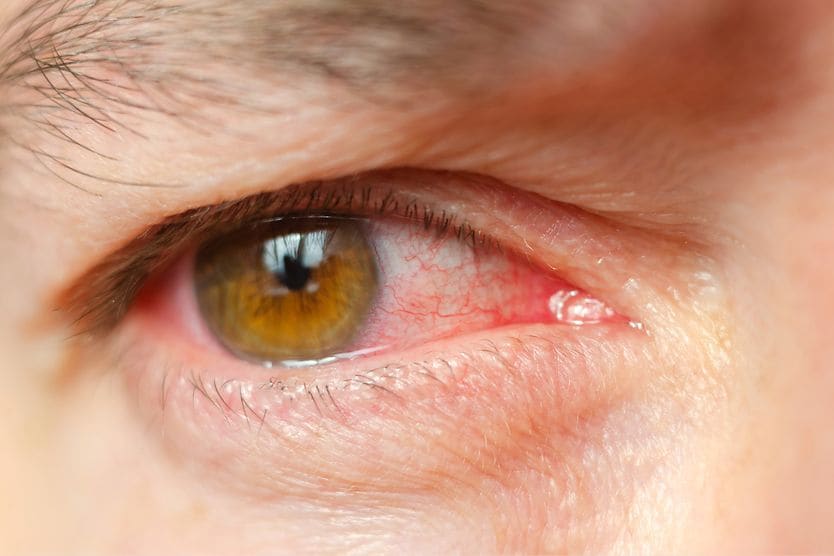
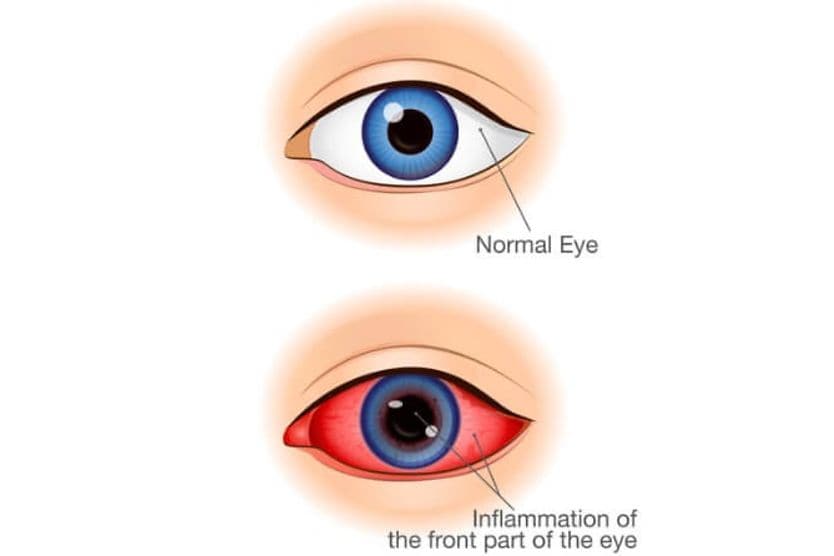
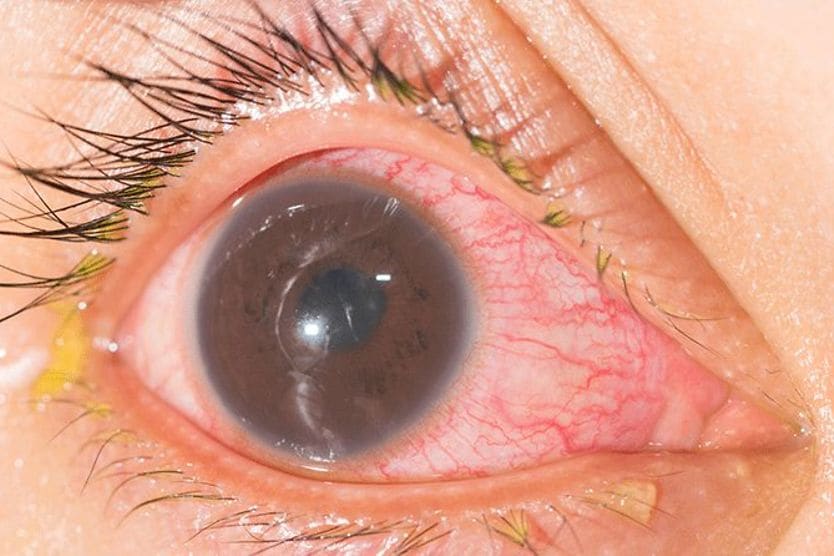
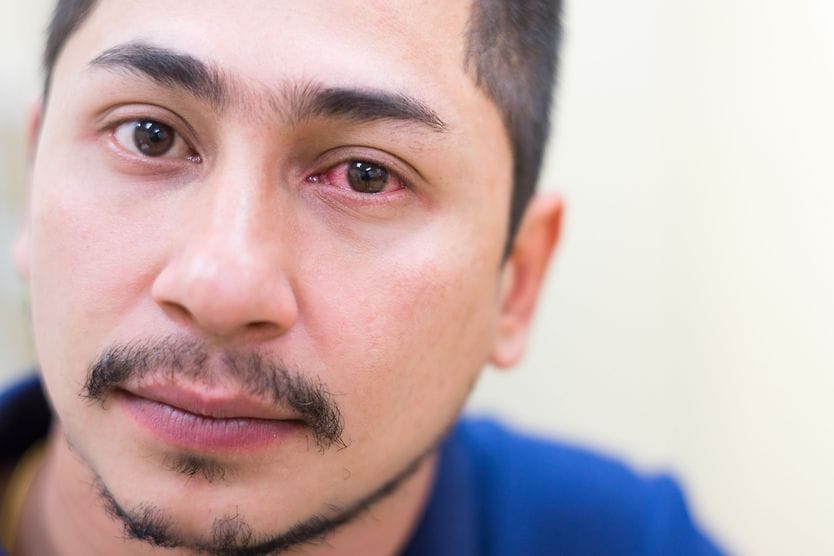
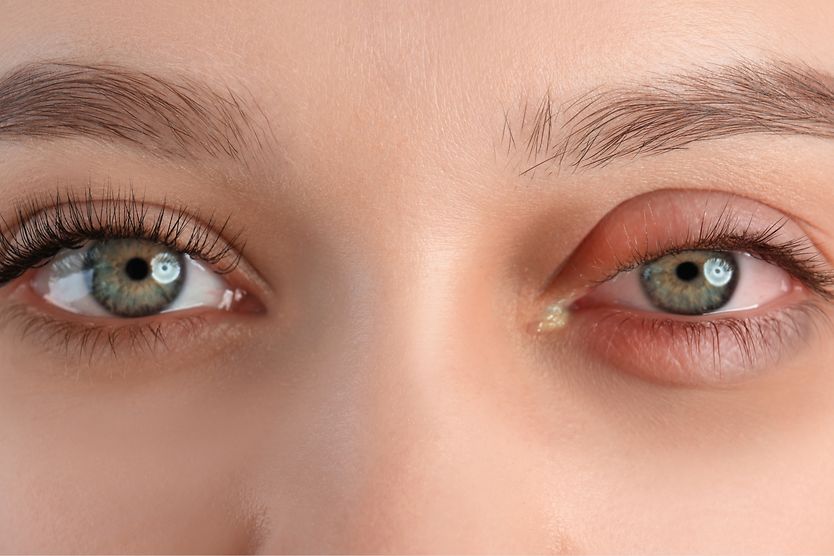
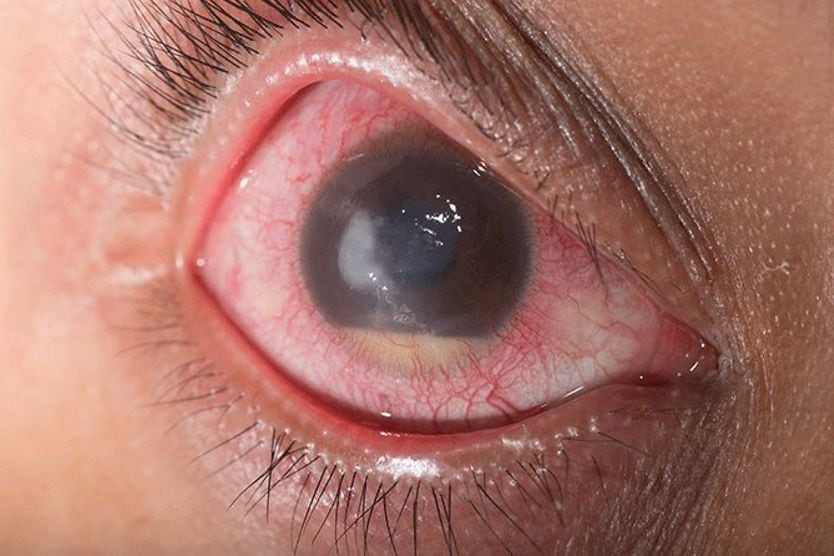
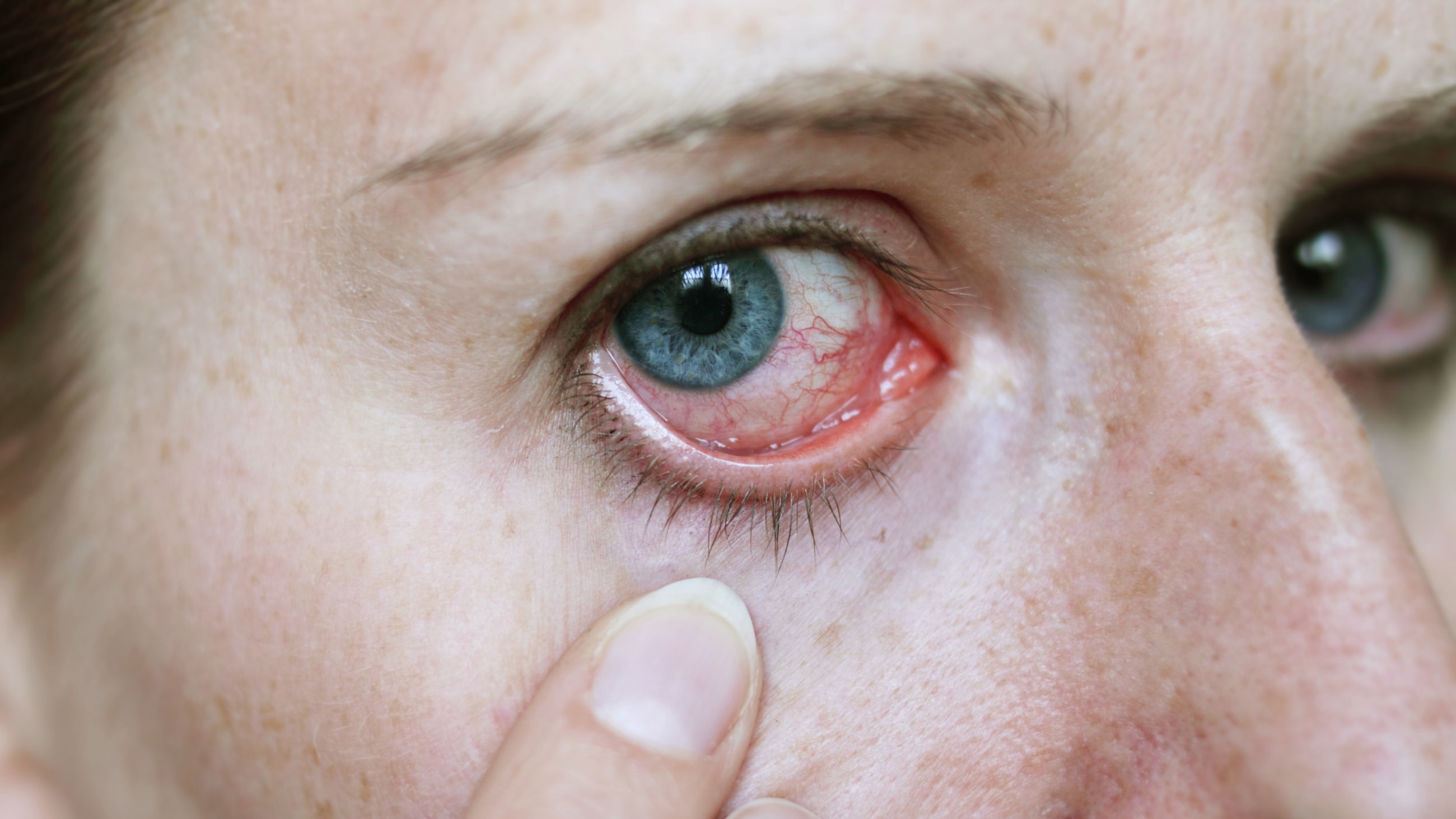
Uveitis (pronounced you-vee-EYE-tis) is a condition that occurs when the eye’s middle layer, called the uvea, becomes inflamed. It can cause eye pain, redness and blurry vision, along with other signs and symptoms. Severe or untreated uveitis can lead to vision loss, making prompt care essential.
Uveitis occurs most frequently in adults between the ages of 20 and 60, but it can affect people of all ages. One or both eyes can be affected.
The condition can impact any area of the uvea, which lies between the sclera (the white of the eye) and the retina (the light-sensitive membrane at the back of the eye).
Parts of the uvea
The uvea serves several functions within the eye and consists of three main parts:
- Iris – The colored part of the eye surrounding the pupil (the dark circle in the center of the eye). The iris contracts to help control the size of the pupil and the amount of light that enters the eye.
- Ciliary body – A muscular structure behind the iris that helps control the shape of the eye’s natural crystalline lens, allowing the eye to focus on nearby objects. The ciliary body also produces aqueous humor, a fluid that helps nourish the eye and maintain its shape.
- Choroid – The blood vessel-rich tissue between the retina and the eye’s outer wall. It helps nourish the eye by supplying blood to the retina and other structures.
Types of uveitis
Uveitis is categorized into four primary types, which are classified according to where in the uvea inflammation occurs:
- Anterior uveitis – Involves the iris (iritis) or the iris and ciliary body. This is the most common type of uveitis.
- Intermediate uveitis – Involves the vitreous humor (a gel-like substance in the center of the eye), the pars plana (a part of the ciliary body) and the peripheral retina.
- Posterior uveitis – Involves the choroid and retina. It can also affect the optic nerve, which sends visual information from the eye to the brain.
- Panuveitis (also called diffuse uveitis) – Involves all areas of the uvea.
Signs and symptoms of uveitis
The signs and symptoms of uveitis can occur suddenly or gradually and can vary, depending on the part of the uvea that is inflamed. Some people do not experience any signs or symptoms.
Anterior uveitis signs and symptoms often include:
- Eye pain
- Eye redness
- Blurry vision
- Photophobia (light sensitivity)
- Irregular pupil shape
Intermediate uveitis is usually not painful, but it can cause symptoms, such as:
- Blurry vision
- Floaters (lines, dots or specks that drift across your vision)
Posterior uveitis is also not usually painful. Its symptoms commonly include:
- Floaters
- Light sensitivity
- Decreased vision or vision loss
Panuveitis can cause any combination of uveitis signs and symptoms.
What causes uveitis?
Uveitis can be caused by autoimmune conditions, infections, injury or trauma or certain medications. In many cases, the exact cause is unknown.
Autoimmune and inflammatory conditions
Autoimmune conditions cause the body’s immune system to attack healthy tissues by mistake. This can cause inflammation in the body, including the eye.
Some of the autoimmune and inflammatory conditions commonly associated with uveitis include:
- Ankylosing spondylitis
- Behçet’s disease
- Inflammatory bowel disease
- Juvenile idiopathic arthritis
- Multiple sclerosis
- Psoriatic arthritis
- Reactive arthritis (Reiter syndrome)
- Sarcoidosis
- Systemic lupus erythematosus
- Tubulointerstitial nephritis and uveitis (TINU)
- Vogt-Koyanagi-Harada syndrome
Infections
Systemic infections known to cause uveitis include:
- Bartonella (cat scratch disease)
- Cytomegalovirus (CMV)
- Herpes simplex
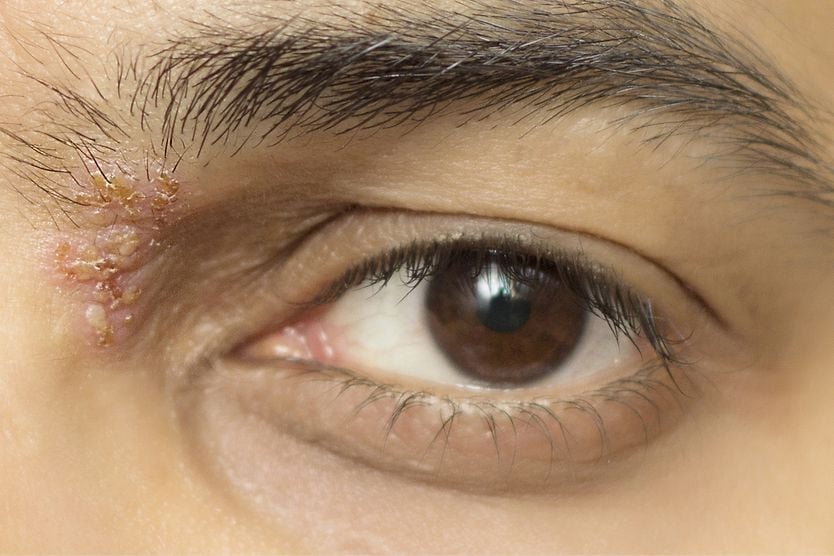
- Herpes zoster
- Histoplasmosis
- HIV/AIDS
- Lyme disease
- Syphilis
- Toxocariasis
- Toxoplasmosis
- Tuberculosis
Trauma
Another cause of uveitis is trauma to the eye, such as from an eye injury. This can result from a blunt force or penetrating eye injury, or having a foreign body stuck in the eye. Trauma resulting from eye surgery could also lead to uveitis.
Medications
While not all that common, uveitis can be a side effect of certain medications, some of which include:
- Bisphosphonates – Prescribed to treat bone conditions, such as osteoporosis and bone cancer.
- Cidofovir – An antiviral medication used to treat cytomegalovirus.
- Rifabutin – An antibiotic used to treat Mycobacterium infections associated with HIV.
- Sulfonamides – A class of antibiotics prescribed for bacterial infections.
- Brimonidine eye drops – Used to lower eye pressure in glaucoma patients.
It’s important to tell your eye doctor about any medications you take. If you notice eye pain, redness or other symptoms, contact your doctor right away.
Idiopathic (unknown cause)
In 48% to 70% of cases, the cause of uveitis is unknown. Even so, idiopathic uveitis can be serious. Doctors can still provide effective treatment, even when an underlying cause hasn’t been identified.
Who is at risk for uveitis?
Anyone exposed to the causes mentioned above could potentially develop uveitis. In addition, the following factors can increase the risk:
- Smoking
- Genetic predisposition (specific gene variants can make some people more susceptible)
Possible complications
Uveitis often improves with treatment, but it can recur or persist in some cases. Ongoing or recurrent uveitis can lead to several possible complications, including:
- Cataracts – Clouding of the eye’s crystalline lens.
- Glaucoma – A group of eye conditions that damage the optic nerve (often caused by high eye pressure).
- Macular edema – Develops when fluid from blood vessels leaks into the macula (the center of the retina), causing it to swell.
- Retinal detachment – Occurs when the retina separates from the back of the eye.
- Peripheral anterior synechia – Arises when the front portion of the iris adheres to the trabecular meshwork (the eye’s drainage system), which can lead to glaucoma.
- Posterior synechia – Develops when the iris adheres to the crystalline lens, which can increase pressure in the eye.
These complications can affect vision and, in some cases, lead to permanent vision loss. In fact, researchers estimate that uveitis accounts for 10% to 15% of blindness worldwide.
How do eye doctors diagnose uveitis?
Diagnosing uveitis typically begins with a medical history review and a comprehensive eye exam. Your eye doctor may ask you certain health or lifestyle questions to help pinpoint the cause of the condition. The eye exam may include:
- Visual acuity test – This typically involves reading from an eye chart to assess your vision at various distances.
- Slit lamp exam – Your doctor may use a special microscope called a slit lamp to examine parts of your eye. This also allows them to detect the presence of white blood cells and flare (a cloudy appearance to the aqueous humor), which are key factors in diagnosing uveitis.
- Pupil dilation – Special eye drops are used to widen your pupil, giving your doctor a better view of your retina and optic nerve.
- Tonometry – This is a test used to measure internal eye pressure.
- Ophthalmoscopy – With this technique, your doctor uses a fundoscope to evaluate the structures in the back of your eye (the fundus).
- Optical coherence tomography (OCT) – This imaging technique captures detailed pictures of your retina, which helps your doctor diagnose and monitor conditions, such as uveitis.
Blood work, imaging scans or other diagnostic tests may also be necessary to confirm a uveitis diagnosis or evaluate for underlying causes.
Uveitis treatment options
The goal of uveitis treatment is to reduce inflammation, relieve symptoms and prevent eye damage, including vision loss. The type of treatment prescribed depends on the cause of the condition, its severity and which parts of the eye are affected. Your eye doctor may also collaborate with other medical specialists to address underlying causes.
Uveitis treatment may include:
Medication therapy
Uveitis is usually treated with medications to control inflammation and discomfort, which may involve:
Corticosteroids
These drugs are often the first line of defense when treating uveitis. They may be administered via topical eye drops, oral medications or eye injections to reduce pain and inflammation.
Corticosteroid implants may also be used in some uveitis cases. Surgically inserted into the eye, these tiny implants deliver sustained amounts of anti-inflammatory medication.
Other medications
Other drugs may be used to reduce the symptoms or effects of uveitis, such as:
- Cycloplegic eye drops – These drops widen the pupil to reduce pain and muscle spasms in the eye.
- Nonsteroidal anti-inflammatory medications (NSAIDs) – These are prescribed to help control pain and reduce inflammation.
- Medications to treat infections – Uveitis caused by infections may be treated with antibiotics or antivirals.
- Immunosuppressants – These drugs help suppress the body’s immune response, which in turn can reduce inflammation.
- Biologics – These are targeted immune system therapies used to control inflammation throughout the body.
Surgery
Severe cases of uveitis can cause a cataract and may require surgical care. The type of surgery needed varies, depending on the part of the eye affected.
One such procedure is a vitrectomy. During this surgery, part or all of the gel-like vitreous is removed from the eye. A gas bubble, air bubble or special solution is then placed to maintain the shape of the vitreous cavity until the eye produces enough aqueous fluid to fill this space.
Other surgeries may be needed to manage the condition or treat its complications, such as glaucoma surgery, cataract procedures or retinal detachment repair.
Can you prevent uveitis?
While uveitis cannot usually be prevented, there are ways to reduce your risk of developing this condition:
- Attend regular eye exams – This allows your eye doctor to identify problems as early as possible. It’s also crucial to schedule an exam if you have symptoms of uveitis or other issues.
- Manage any underlying conditions – Work with your health care team to treat and manage conditions that could lead to uveitis, such as autoimmune disorders, infections or others.
- Protect your eyes from injury – Wear the appropriate protective eyewear during any activities where eye injury is a risk.
- Avoid smoking – Quitting or avoiding smoking can reduce your risk of uveitis and other conditions that could harm your eyes.
Outlook
The prognosis for uveitis is generally favorable when the condition is identified and treated early. The condition can resolve with treatment, but it can also recur or become chronic (lasting long-term). Treatment outcomes can also vary, according to the severity of the condition, the type, how long it persists and the underlying cause.
Without treatment, uveitis increases the risk of serious eye-related complications that could lead to permanent vision loss.
When to see an eye doctor
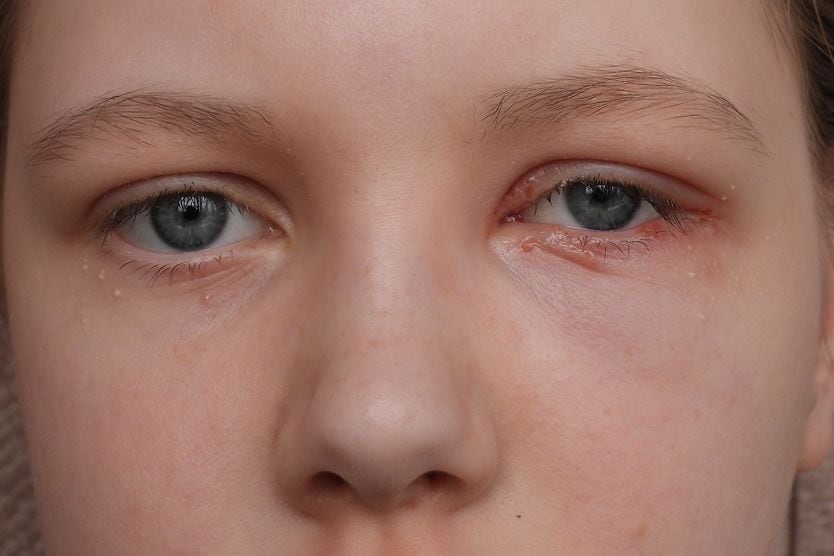
If you experience eye pain, redness, light sensitivity or blurry vision, see an optometrist or ophthalmologist right away. While these symptoms can sometimes indicate a common eye infection, they may also signal uveitis or other serious conditions that require immediate care.
Early detection and treatment of uveitis is essential to prevent eye-related complications and protect your vision.