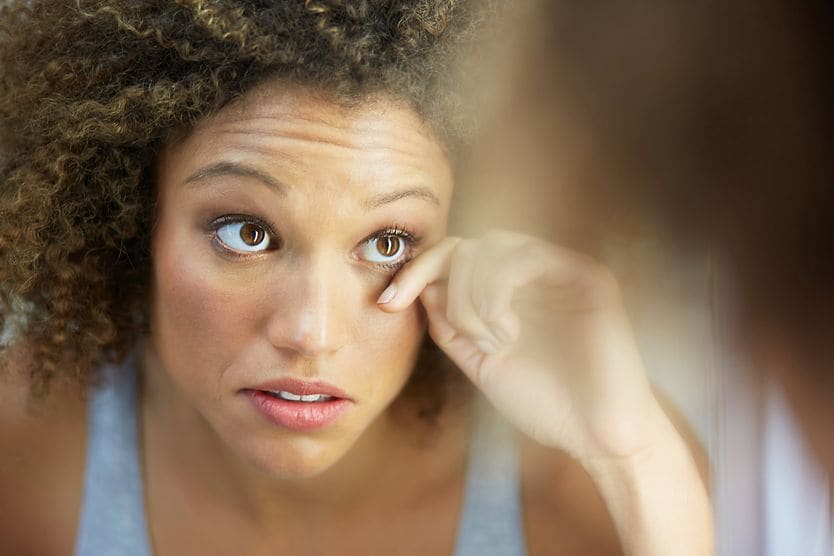
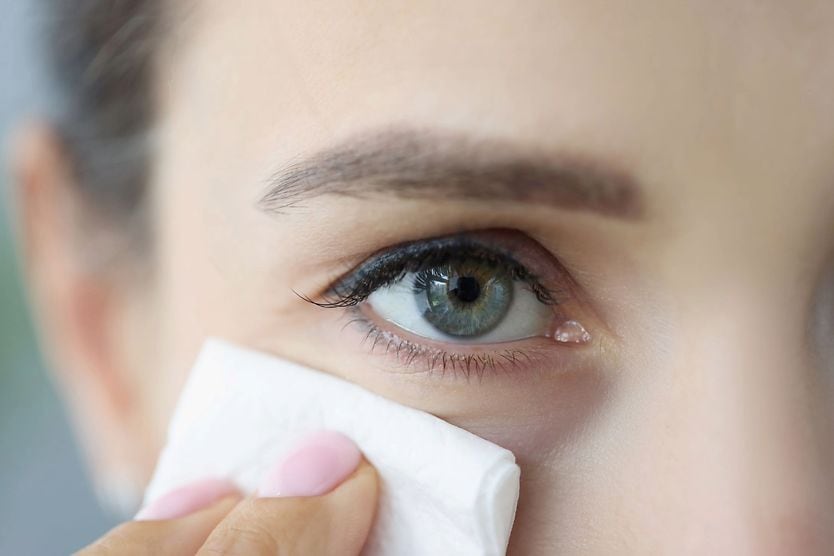
How to stop watery eyes or teary eyes
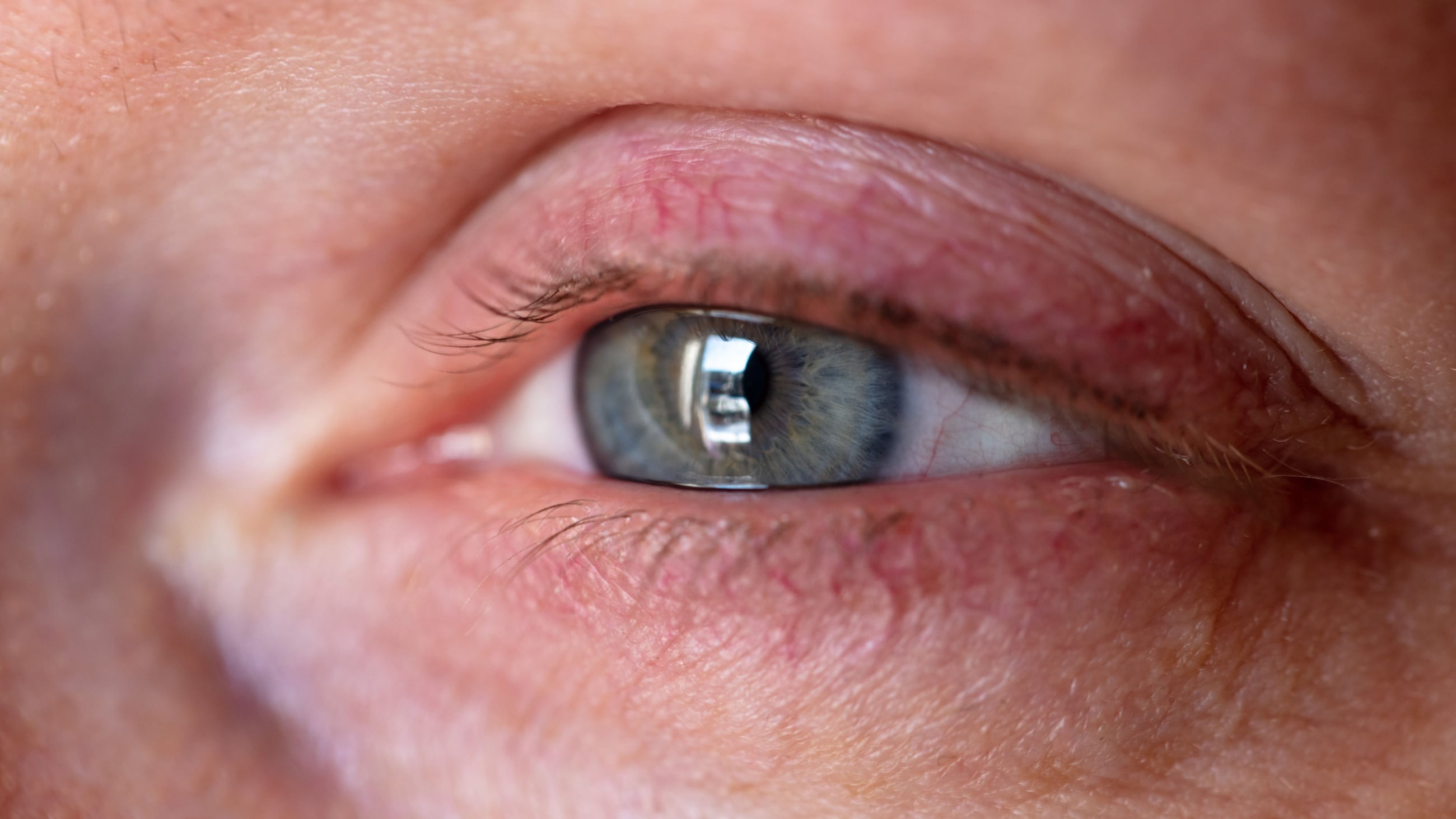
Watery eyes are often temporary, but constant watering could be a sign of an underlying condition.
Some common causes for watery eyes include allergies, digital eye strain, old or torn contact lenses, and debris (such as a loose eyelash). Your eyes could also be watering because they’re dry and need moisture.
An eye doctor can help you find the cause and recommend treatment, if needed.
What are the common causes of watery eyes?
There are many reasons your eyes could be watering more than usual. Some of them are:
Allergies
Seasonal allergies can make your eyes itchy, causing your eyes to produce more lubrication to soothe the irritation. Eye drops containing both mast cell stabilizers and antihistamines can help.
Conjunctivitis (pink eye)
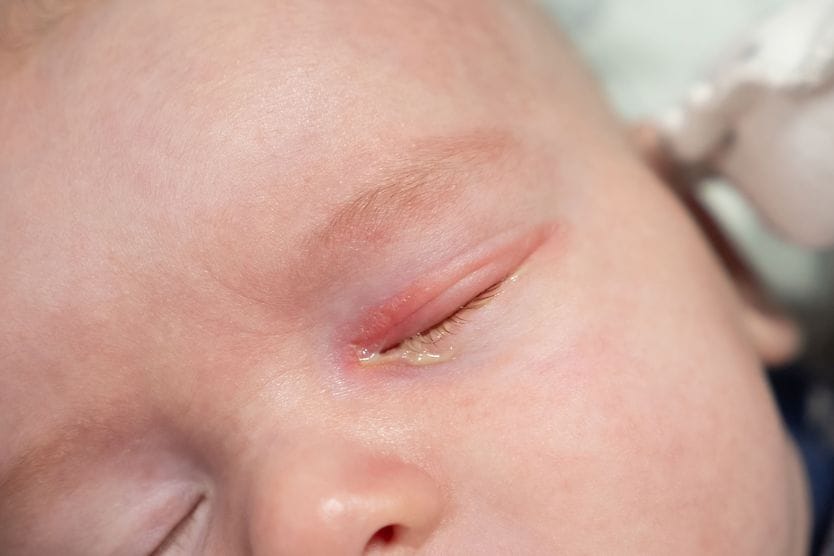
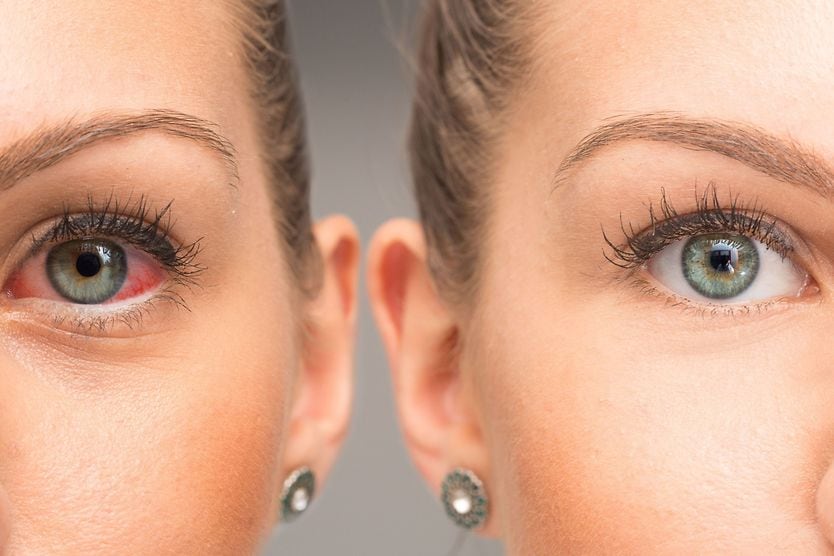
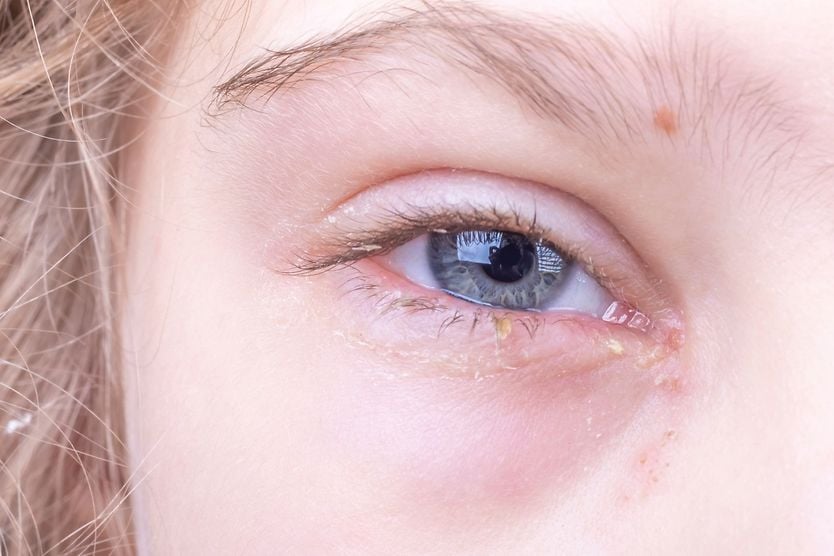
Pink eye is another reason your eyes could be watering more than usual. However, in the case of conjunctivitis, your eyes could also be emitting discharge. If your eyes are watery but your “tears” are thicker than usual or have a colored tinge, consult with your eye doctor right away for treatment.
Dry eyes
How can dry eyes cause teary eyes? Healthy tears use three ingredients to keep your eyes moist: water, mucus and oil. When your eyes are dry due to lacrimal gland issues, then your eyes will flush water into your eyes to wet them, but without the mucus and oil, the moisture won’t stay. Medicated eye drops may be able to help in this case.
Other possible causes
Other causes for excessive watery eyes include:
- Aging
- Bacterial keratitis
- Blepharitis
- Digital eye strain
- Corneal ulcer
- Eye debris (eyelash, dust, etc.)
- Eye infections
- Eye injuries
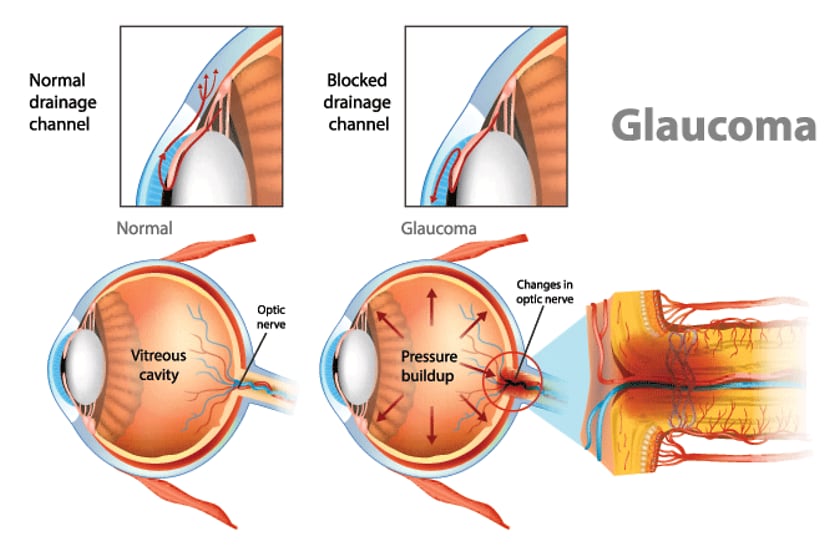
- Glaucoma eye drops, typically caused by preservatives
- Issues with the lacrimal drainage system
- Macular degeneration (wet AMD), related to eye injections
- Old or torn contact lenses
- Styes (internal or external)
What is a natural treatment for teary eyes?
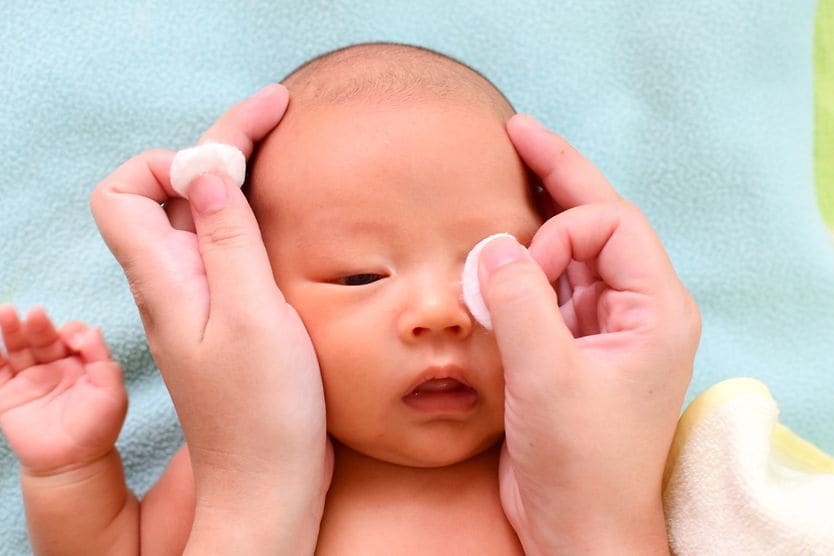
If your eyes are watering from allergies, eye strain or fatigue, you could use cool compresses for relief.
A warm compress may also help remove a stye, if that’s your root issue.
Of course, you can also try to steer clear of your allergy trigger, take a nap, meditate with your eyes closed, and set timers during your screen time to remind you to look away every once in a while.
If dry eyes are causing excess tears, you can try changing your diet.
Omega-3s, flaxseed oil and drinking more water may naturally help some people with dry eyes. Talk to your eye doctor about any supplements before you take them.
You can also make lifestyle changes to keep your eyes from drying out and overproducing tears:
- Try wearing glasses instead of contacts for a while. Wearing contacts makes you blink less often, which can dry out your eyes.
- Wear wrap-around safety glasses or sunglasses to protect your eyes from allergens or debris.
- More thoroughly remove your eye makeup before going to sleep at night. This may mean you’ll have to vary your nighttime routine.
SEE RELATED: Dry eye syndrome: 12 ways to get relief
What is the ideal treatment for watery eyes?
Treating watery eyes depends on what's causing them. An optometrist or ophthalmologist can help you decide.
For example, an eye doctor may recommend combined antihistamines and mast cell stabilizer eye drops if your watery eyes are caused by allergies. They may prescribe antibiotic eye drops to treat bacterial pink eye, but this treatment wouldn't help with viral pink eye.
For dry eye syndrome relief, an eye doctor may recommend artificial tears. In more significant cases, they may prescribe medicated eye drops or steroid drops.
Your eye doctor will examine your eyes and decide which treatment option is ideal for you based on your symptoms and condition.
When to see an eye doctor about teary eyes
If you changed your contacts, inspected your eyes for irritants and taken breaks from screen time, and your eyes are still watering, talk to your eye doctor.
Your teary eyes could be an indication that you have a condition like conjunctivitis or dry eye syndrome.
See an eye doctor right away if you also have eye pain, vision changes, severe redness, or other concerning symptoms.
READ NEXT: Glassy eyes