What is diplopia?
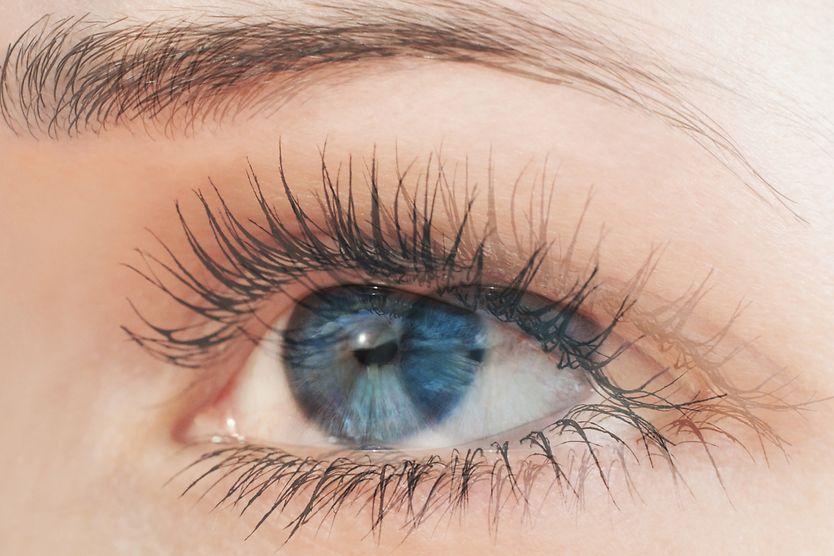
Diplopia, or double vision, is when you see two images of the same object. It can affect one eye or both, and may be temporary, long-lasting, or come and go. The effect can make it harder to read, drive and do other everyday activities.
Diplopia can happen when light doesn't focus correctly in your eyes, or when your eyes don't align or work together like they should. Other medical conditions can also cause it.
Diplopia isn't always serious, but it can sometimes be caused by an urgent health problem. See a doctor right away if you suddenly start seeing double or have other concerning symptoms.
What does double vision look like?
When you see double, one image may look clearer or "dominant" while the second image looks dimmer. But sometimes both images are equal. The effect can look different and last different amounts of time for each person.
For example, you can have double vision in one eye or both:
- Monocular diplopia – You see double images in one eye when the other eye is closed. This can happen in both eyes or just one.
- Binocular diplopia – You only see double when both eyes are open. The effect goes away when you close each of your eyes.
Some people have binocular and monocular diplopia at the same time.
The double images can also be arranged differently in your eyesight:
- Horizontal diplopia – The images appear side by side.
- Vertical diplopia – The images appear stacked on top of each other.
- Oblique diplopia – The images are separated diagonally.
- Torsional diplopia – The images appear tilted or rotated in relation to each other.
How long you see double can vary, too. Diplopia can be:
- Temporary – It lasts a while and then goes away.
- Intermittent – It comes and goes.
- Constant – It's there all the time.
READ MORE about the different types of diplopia
Causes
Diplopia is always caused by something. It doesn't happen without a reason.
Many different things can cause or trigger it. Some of them are harmless and temporary, while others can signal a problem with your nerves, muscles or brain that may need treatment.
Lifestyle causes
Things in everyday life can cause temporary diplopia for some people. They include:
- Drinking too much alcohol
- Eye strain
- Tiredness
- Side effects of medication
In these cases, the double vision may clear up with rest, but you shouldn't ignore it. Always tell an eye doctor or physician about diplopia, even if it goes away.
Poorly fitting eyeglasses, contact lenses or reading glasses can also cause temporary diplopia while you're wearing them. An optician or eye doctor can help correct this.
Eye causes
If you have diplopia in one eye while the other is closed, there's a good chance something is affecting the eye itself. Some examples are:
- Dry eyes – When your eyes don't produce enough tears or the tear layer is uneven.
- Scars on the cornea – Damage to the clear front surface of the eye (the cornea).
- Cataracts – Clouding of the eye's natural crystalline lens.
- Astigmatism – The eye's cornea or lens isn't perfectly round.
- Keratoconus – The cornea gets thinner and cone-shaped.
- Pterygium (surfer's eye) – A growth on the white of the eye (the sclera) that can invade the cornea.
- A dislocated lens – The clear, rounded lens inside the eye shifts out of place.
- Retina problems – Issues affecting the light-sensitive layer at the back of the eye (the retina).
- Something pressing on the cornea – A bump such as a stye or chalazion can push against the cornea.
Nerve and muscle causes
Problems with the nerves or muscles that control your eyes can stop them from lining up the right way, which can cause diplopia while both eyes are open. Some examples are:
- Strabismus – Misalignment of the eyes that keeps them from working together properly.
- Cranial nerve palsy – Certain nerves in your head become weak or paralyzed.
- Thyroid eye disease – Swelling or stiffness in the muscles around the eyes due to thyroid problems.
- Myasthenia gravis – A condition that weakens the muscles, often including the muscles that control eye movement.
- Orbital trauma – An injury to the eye socket area.
- Complications of surgery – Certain procedures involving the eyes, teeth, sinuses and other areas can affect vision.
Brain causes
Sometimes diplopia is related to a problem in the brain, which also tends to happen while both eyes are open. Possible causes include:
- Stroke or transient ischemic attack (TIA) – A blocked or bleeding blood vessel in the brain.
- Multiple sclerosis (MS) – A neurological disease that can disrupt nerve signals between the brain and the eyes.
- Head injury – A traumatic brain injury (TBI) may damage parts of the brain that control the eyes.
- Brain tumor – An abnormal mass in the brain can injure eye-related nerves.
- Brain aneurysm – A bulging blood vessel in the brain can press on the nerves that control eye movement.
Some of these conditions can be life-threatening. Get medical help right away if you have double vision after a head injury or if you suspect a stroke, aneurysm or other urgent medical problem.
Signs, symptoms and diagnosis
Diplopia can show up alongside other symptoms. Your doctor will ask you what you're experiencing and run certain tests to determine the cause.
Possible signs and symptoms
Diplopia — seeing double — is the symptom. This effect on your eyesight can cause these or other issues:
- Feeling less steady or balanced
- Difficulty reading, driving or doing other everyday activities
- Problems concentrating or focusing on something
Depending on the cause, you may have one or more other signs or symptoms alongside diplopia. These may include:
- Misaligned or crossed eyes
- Droopy eyelids (ptosis)
- Blurry vision
- Eye pain
- Uneven or dilated pupils
- Weakness or numbness in the face
- Dizziness
These aren't the only things that can happen with diplopia. Talk to a doctor right away if you suddenly experience double vision, no matter what other symptoms you have.
Diagnostic tests
An eye doctor or other health care professional might run certain tests to find the cause of diplopia. These tests help them find out whether the problem is coming from your eyes themselves, the nerves or muscles that control them, or another part of your body.
You might have one or more of the following tests:
- Comprehensive eye exam – Checks your eye health, visual acuity (visual sharpness), eye alignment and movement, and updates your vision prescription if needed.
- Eye cover test – Detects any alignment or coordination problems between the eyes.
- Pupil and nerve function tests – Check how your pupils react to light and how well the nerves controlling your eye muscles are working.
- Imaging tests – CT and MRI scans can help look for problems in your brain or other parts of your body.
- Blood or urine test – Checks for diabetes, thyroid disease or other conditions that can be detected in your blood or urine.
Treatment options for diplopia
The treatment for double vision depends on the cause. Sometimes treatment isn't needed, but only a doctor can tell you for sure.
Non-surgical treatments
Your eye doctor may recommend a short-term treatment to help you see more clearly.
Prism glasses bend light differently than regular glasses. They can help your brain combine the two images into one clearer picture.
Your doctor may also suggest patching one eye to make your vision more comfortable.
Bifocal or reading glasses can help treatment of convergence excess, where the eyes cross when trying to focus up close. Vision therapy can help if your eyes have trouble working together to see up close, which is called convergence insufficiency. For most other causes of diplopia, vision therapy alone usually can't fix the problem.
Surgery and other procedures
If diplopia is caused by an eye alignment problem, surgery on the eye muscles may help straighten the eyes. In some cases, an ophthalmologist might recommend cataract surgery or another procedure, depending on the cause.
Emergency treatment
Urgent conditions like a stroke or aneurysm need immediate care. In these cases, doctors usually treat the emergency first, like restoring the flow of blood during a stroke.
Diplopia and strabismus
Your eyes need to move and work together a certain way so your brain can combine what each eye sees into one clear picture. This is called binocular vision.
When a person has strabismus, the muscles that control their eyes don't work together the right way. This can make one eye turn in, out, up or down. It can happen all the time or come and go.
Strabismus usually starts in early childhood, but it can also happen later in life.
In young children, the brain may try to ignore the image from the misaligned eye. But older children and adults haven't learned to "block" that eye, so they experience double vision.
Strabismus often needs to be treated at a young age since it affects vision and can lead to amblyopia (lazy eye) over time. Untreated amblyopia can lead to other vision problems as well.
An eye doctor may recommend prism glasses, surgery or other treatments to address strabismus or the diplopia it can cause.
When to get help
Diplopia may not always be serious, but you should never ignore it. It can be a symptom of a medical condition that needs to be treated — sometimes immediately.
Get medical help right away if you have double vision and:
- Signs of a stroke or other neurological problem, like weakness; numbness; or trouble speaking, walking or swallowing
- Severe eye pain or headache
- Visible changes in your eyes or pupils
- A recent head or eye injury
Talk to a physician or eye doctor any time you see double, even if your vision goes back to normal.