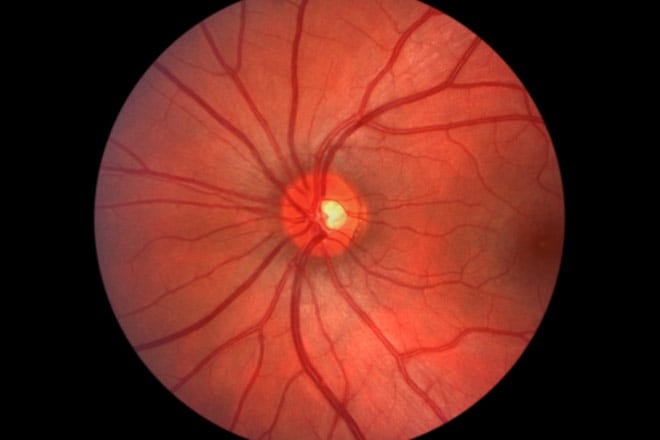
Cytomegalovirus (CMV) retinitis is a sight-threatening disease associated with AIDS (acquired immune deficiency syndrome) — a serious disease of the immune system caused by infection with HIV (human immunodeficiency virus).
In the past, about a quarter of active AIDS patients developed CMV retinitis. However, this figure is dropping, thanks to a potent combination of drugs used to treat AIDS that help restore function of the immune system. In recent years, these drugs have helped decrease presence of CMV retinitis in late-stage AIDS patients by more than 80%, according to one report.
CMV retinitis symptoms and signs
When CMV invades the retina, it begins to compromise the light-sensitive receptors that enable us to see. This typically does not cause any pain, but you may see eye floaters or small specks and may experience reduced visual acuity (blurry vision) or decreased peripheral vision.
Light flashes and sudden vision loss also may occur. The disease usually starts in one eye but often involves both eyes. If left untreated, CMV retinitis could cause a detached retina and other complications in just two to six months.
AIDS patients sometimes also experience changes to the retina and optic nerve without clear signs of CMV retinitis.
What causes CMV retinitis?
CMV retinitis is caused by the cytomegalovirus, a common virus belonging to the herpes family. About 80% of adults harbor antibodies to CMV, which indicates that they have been infected with the virus but their bodies have successfully fought it off.
For people with AIDS, the difference is that their weakened or non-functioning immune system cannot stave off this virus. Other people with a weakened or suppressed immune system, such as those undergoing chemotherapy or a bone marrow transplant, also are at risk. CMV retinitis occurs much less frequently in this group of patients than in the AIDS population.
CMV retinitis treatment
If you have active AIDS and are experiencing visual symptoms, you should see a retina specialist immediately. A person newly diagnosed with CMV retinitis can expect to visit the specialist every two to four weeks.
Once the disease is controlled, those visits may be with your regular eye doctor every three to six months.
Drugs for CMV retinitis
The anti-viral drugs commonly used to treat CMV retinitis are valganciclovir , ganciclovir, foscarnet and cidofovir. They can slow down the progression of CMV, but they can't cure it.
Like many drugs, these treatments can cause unpleasant or serious side effects. Until recently, three of the four were given intravenously, with ganciclovir and foscarnet required an indwelling catheter placed in the chest for daily infusions.
ValgGanciclovir is available in pill form with initial dosing along with a maintenance schedule. Foscarnet, ganciclovir and cidovir can be administered as intravitreal injections for initial and maintenance dosing.
Drugs for HIV
The biggest treatment breakthrough is highly active antiretroviral therapy (HAART), a combination of drugs that suppress the human immunodeficiency virus (HIV), also known as the AIDS virus. HAART allows the immune system of an AIDS patient to recover and fight off infections such as CMV retinitis.
Your doctor may suggest you continue taking anti-CMV drugs for the first three or more months of HAART. Your immune system sometimes improves right away, but CMV retinitis can take a little longer to respond.
A few patients on HAART develop a serious inflammation inside the eye called immune recovery uveitis (IRU). Causes of the inflammation are unclear and require further study.
Also, depending on individual variables, patients with CMV retinitis and who are undergoing various drug treatments can be at higher risk for vision problems such as retinal detachment and cataracts.
READ NEXT: HIV retinopathy